

Located in Hiroshima Prefecture, Ōkunoshima is part of the Seto Inland Sea National Park. This tiny island of only 70 hectares draws thousands of tourists every year. The reason for this craze? Its long-eared residents. Nearly 700 rabbits today populate the island.


Behind a tribe of cute little rabbits hides a dark history…
The discreet island of Ōkunoshima in fact harbours a sinister past. Despite signing the Geneva Protocol in 1925, Japan decided to secretly launch a chemical weapons factory. Ōkunoshima’s geographical position (isolated and far from the capital) was perfect for these clandestine activities.

The factory was operational from 1929 and began producing different types of chemical gases (mustard, tear gas, and others). All of this in the greatest secrecy: the island was quietly removed from maps, and even the inhabitants didn’t know the factory was no longer dedicated to fish processing.
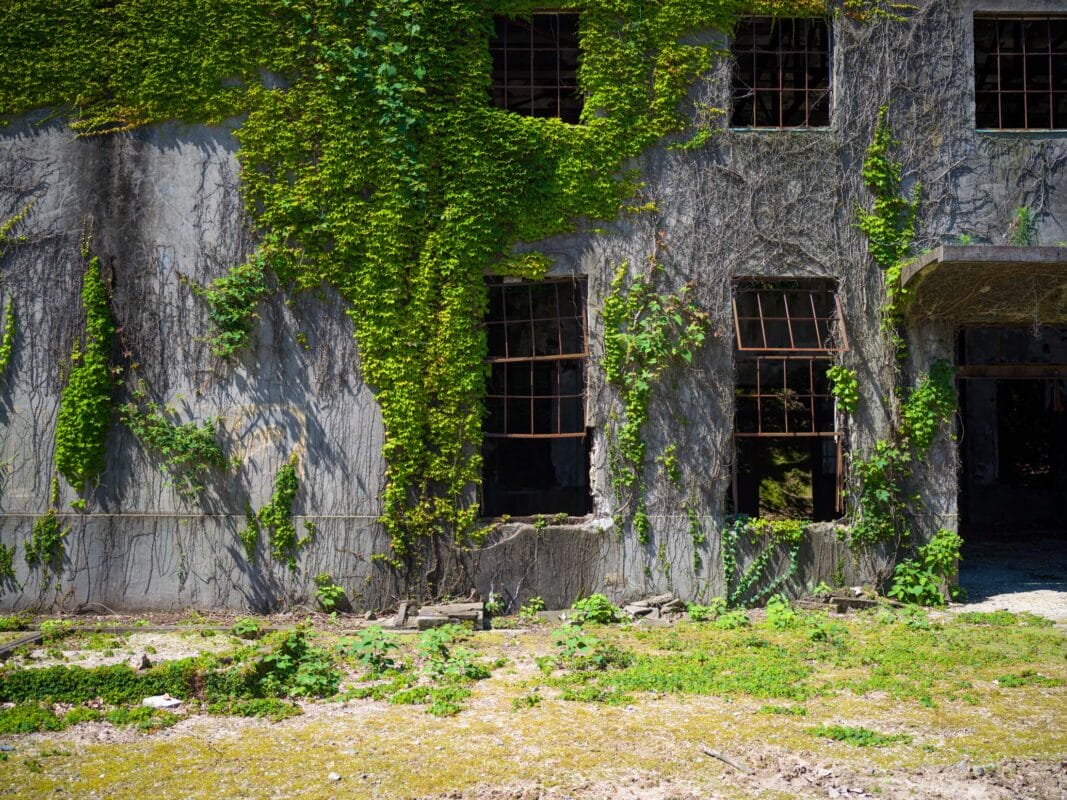


Highly carcinogenic, the chemicals used in producing the gases caused thousands of cancers among workers, the island’s inhabitants, and the ecosystem. At the end of the war, allied forces released the gas into the air, the sea, and the soil, contaminating the island for decades.


All documents on the island’s activities were destroyed, and it was only decades later that the Japanese government would admit to the reprehensible acts it committed at Ōkunoshima…

And the rabbits in all this?!
Several theories compete on why they are on the island. First hypothesis: the current population are descendants of the rabbits used as guinea pigs in the era’s research laboratories (so potentially gas-shot!).
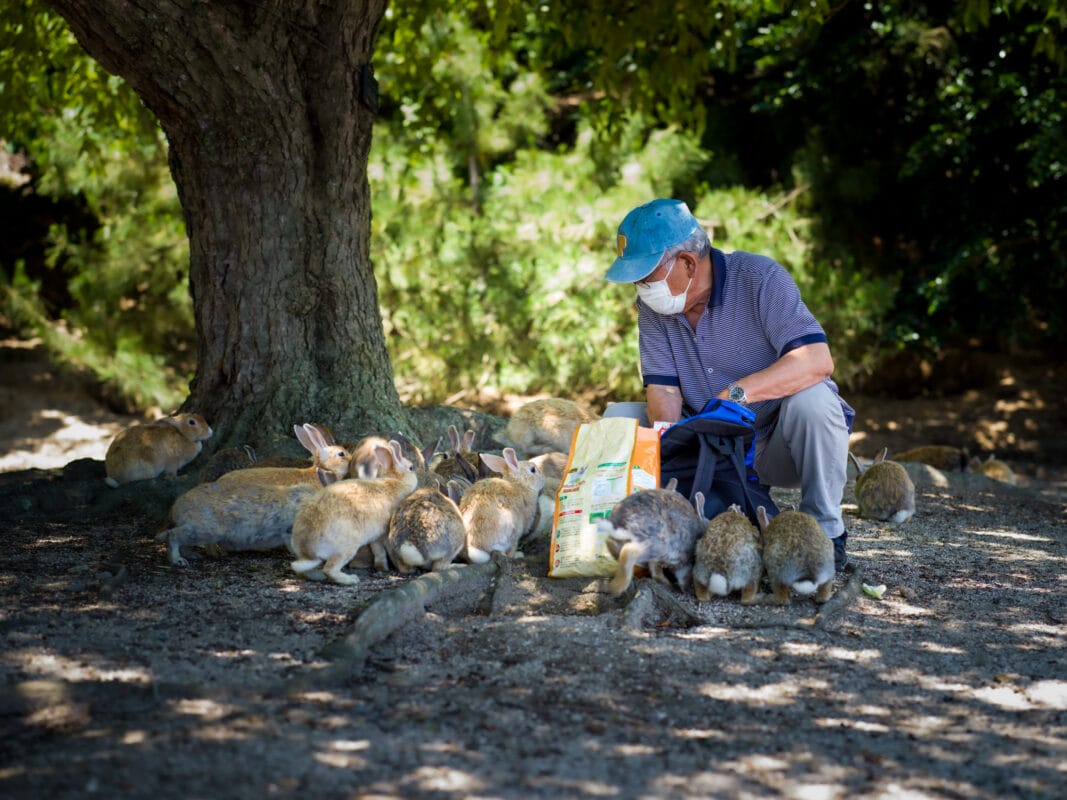


Second hypothesis: a group of schoolchildren released rabbits on the island in 1970. For what reason? No one knows!

Whatever the theory, without any predators on the island, the rabbits reproduced over the years to reach today’s population of nearly 1,000 souls.


Ōkunoshima: from toxic-gas factory to haikyo kawaii tourist spot
The island began to unearth its hidden past in the 1980s with the opening of the toxic gas museum in 1988. It tells the story of the toxic gas factory and exhibits staff diaries, equipment used in the factory, and photographs of identified victims.


Wandering across the island, you discover here and there ruins of the various gas-production sites: power station, seawater reserve, well, research laboratory, storage warehouse, air-raid shelter…
But what draws most visitors today isn’t the history, but the long-eared furballs.


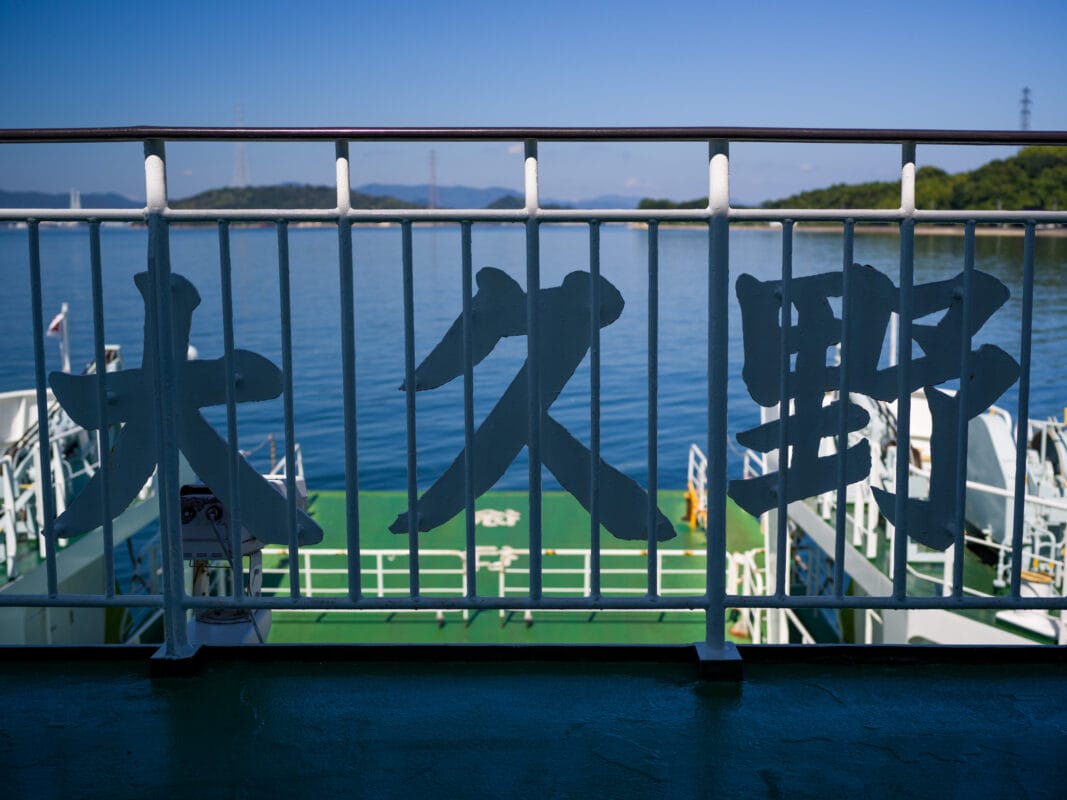
They are generally generously fed by the island’s visitors (only one type of food is allowed, sold on the ferries and in shops). But with the reduction in tourist flow during Covid, the bunnies of Ōkunoshima came close to famine.

Fortunately, volunteers from the Setonaikai Natural Park took over thanks to online funding donations.
The invasion of Ōkunoshima’s gassed rabbits is not about to end!

The rabbits of Ōkunoshima steal the show from the rest of the Inland Sea. For the islands that fill it, and a few further away, see my selection of the most beautiful Japanese islands. Right next door, Manabe-shima, Florian Chavouet’s island.


 Instagram


