Pilgrim inns, a black river, lanterns strung over the asphalt, and a medicine so bitter it supposedly kept monks awake… At the foot of Mount Ōmine, Dorogawa heals the bodies while the mountain takes care of the rest.
The Street Waits for the Return
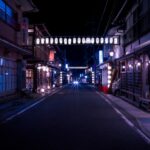
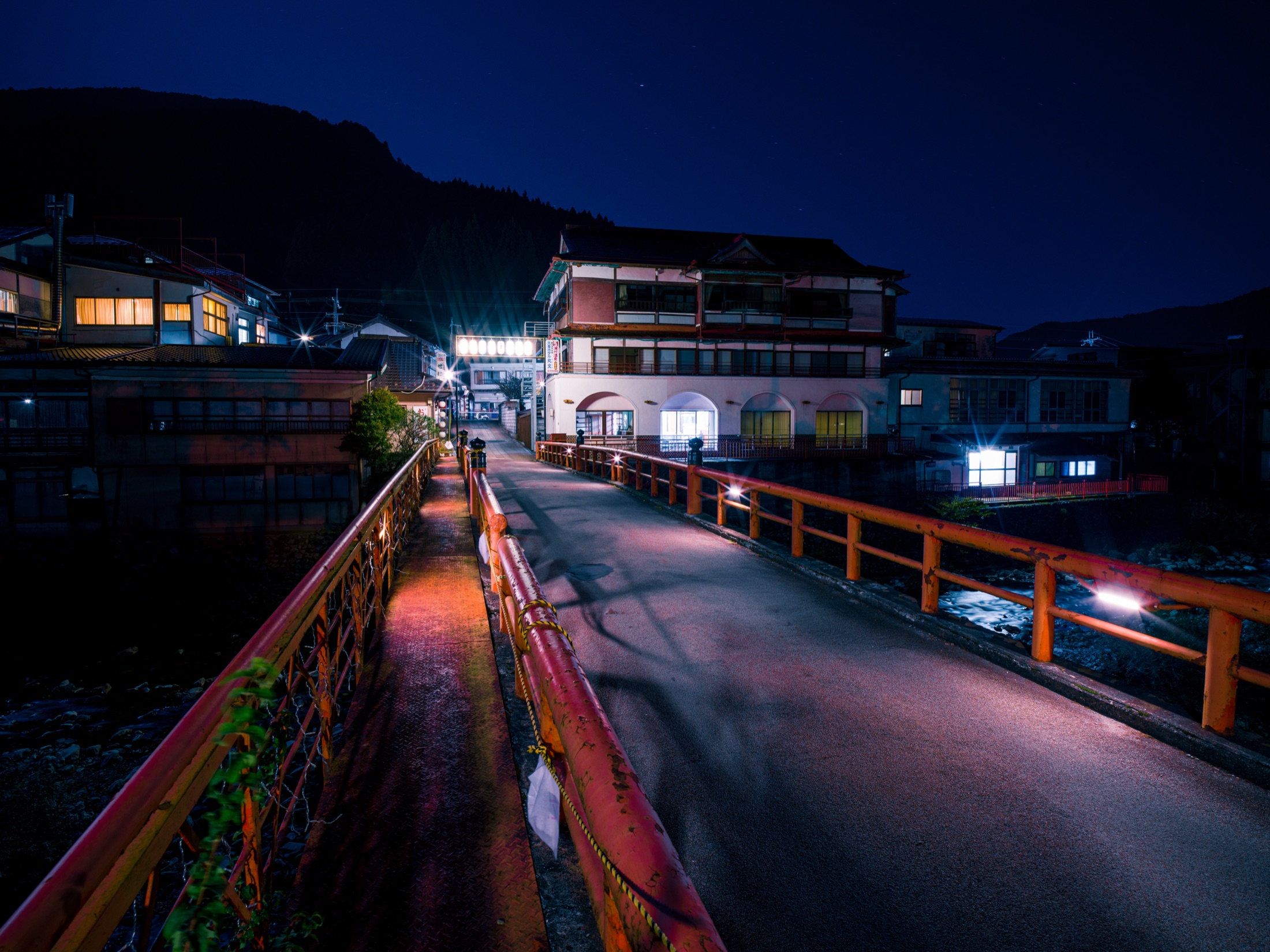
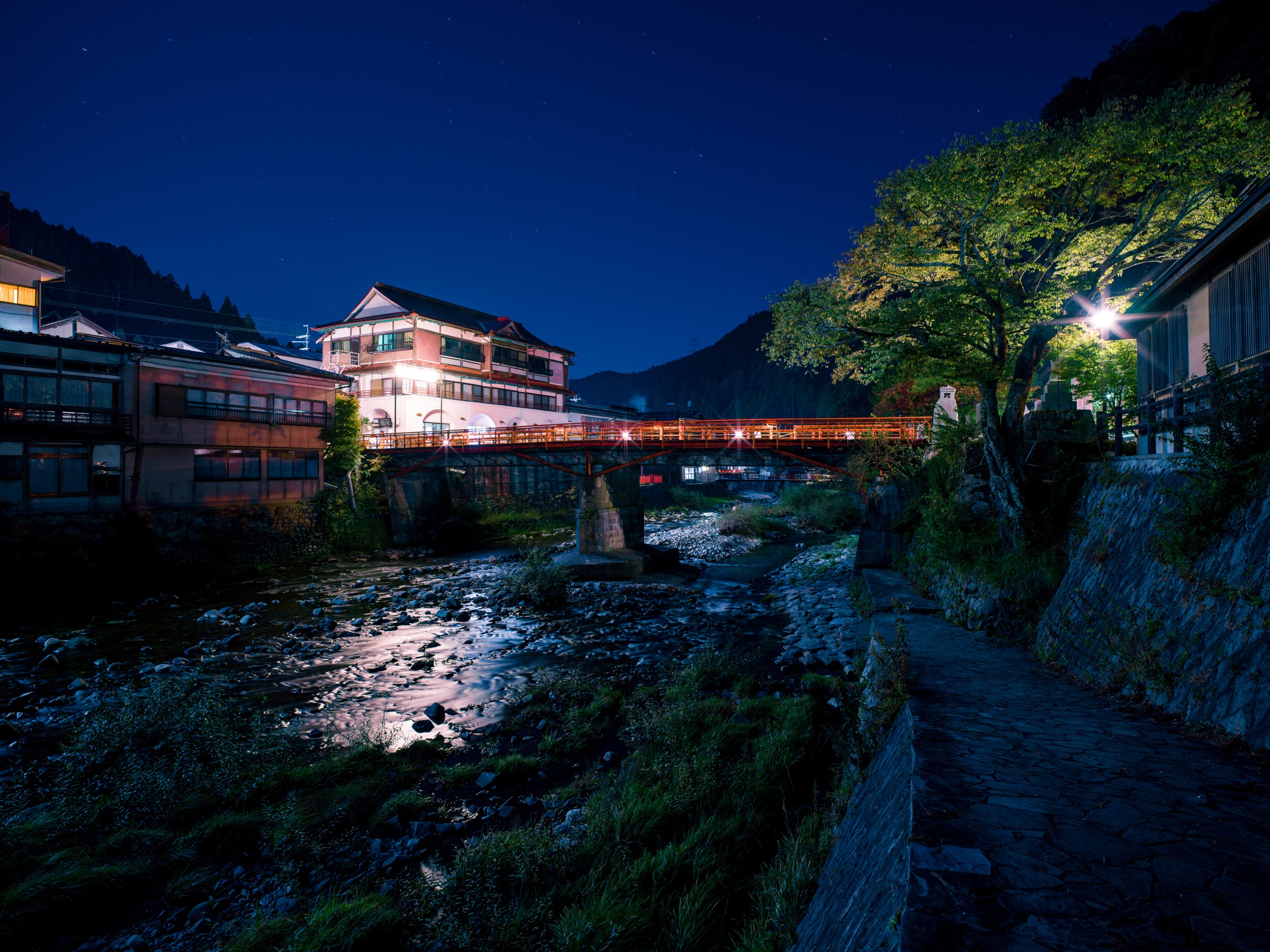
South of Nara, the road tightens between the mountains of the Kii peninsula. It climbs, twists, follows mountain streams, then opens at more than 800 meters onto a street lined with wooden inns. Up here the air easily runs five degrees cooler than the plain: in summer, Dorogawa breathes while Kansai suffocates. In the evening the facades light up one by one. Garlands of lanterns float above the roadway, the signs reflect on dark wood, and the river slips beneath its red bridges. No big hotel, no concrete tower. Only ryokan, pharmacies, a few shops, and the mountain closing the view.
Dorogawa was not born around a hot spring. The village grew up waiting for the people who went higher. For roughly 1,300 years it has served as the base camp of the ascetics of Mount Ōmine. Local tradition even makes it the village of the descendants of Gōki, a demon converted by En no Gyōja, the legendary founder of shugendō. A demonic disciple for an ancestor: Dorogawa announces its colors early.
A Hundred Sandals on the Engawa
Shugendō blends mountain worship, Buddhism and Shintō traditions. Its practitioners, the yamabushi, are less interested in contemplating nature than in measuring themselves against it: walking for hours, fasting, meditating, climbing rock or standing beneath an icy waterfall. From the Edo period on, pilgrim associations called kō formed all over the country. Led by a sendatsu, entire groups converged on Dorogawa before climbing toward Sanjōgatake. Many own their regular inn, sometimes patronized by the same brotherhood for generations.
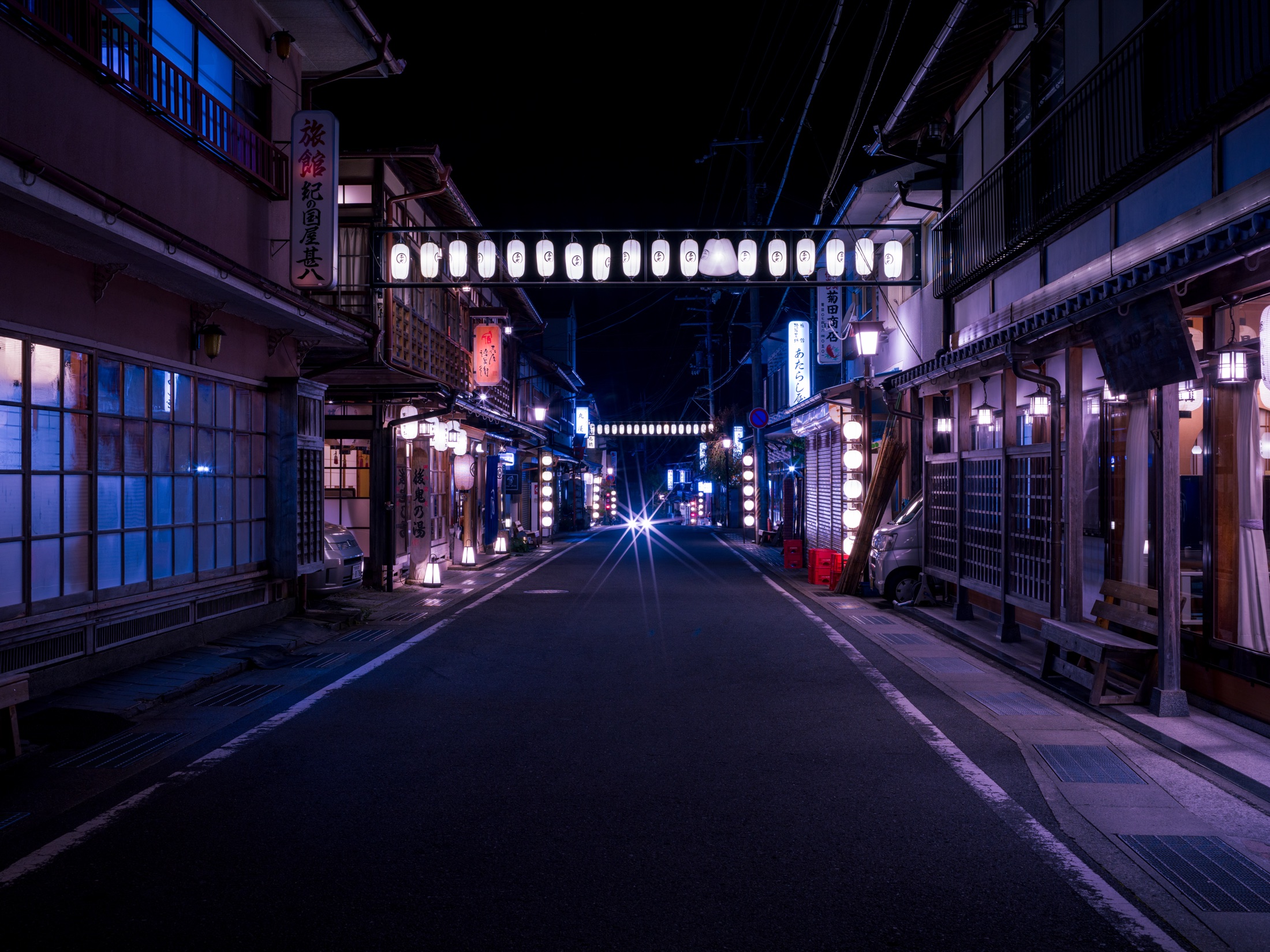
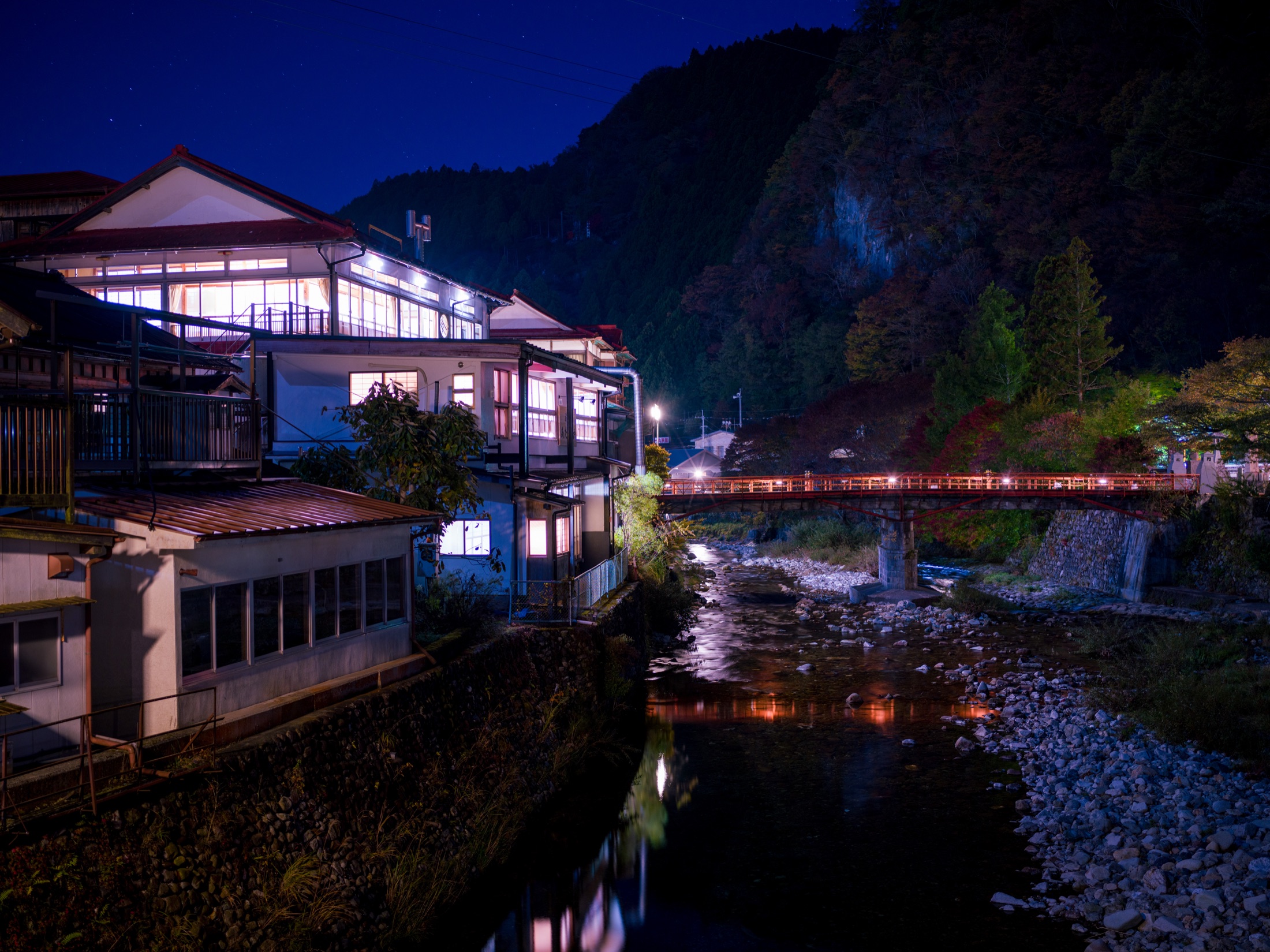
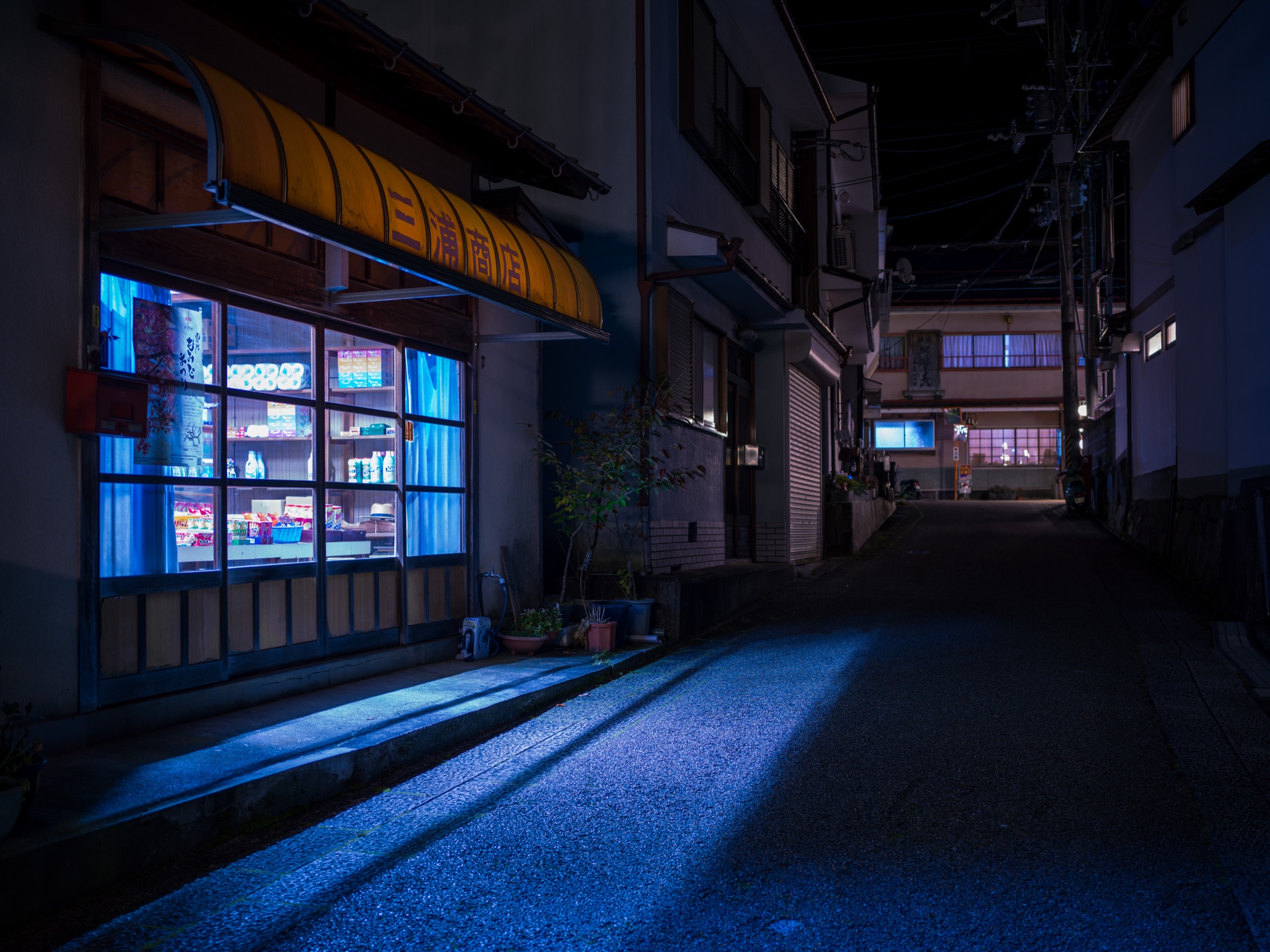
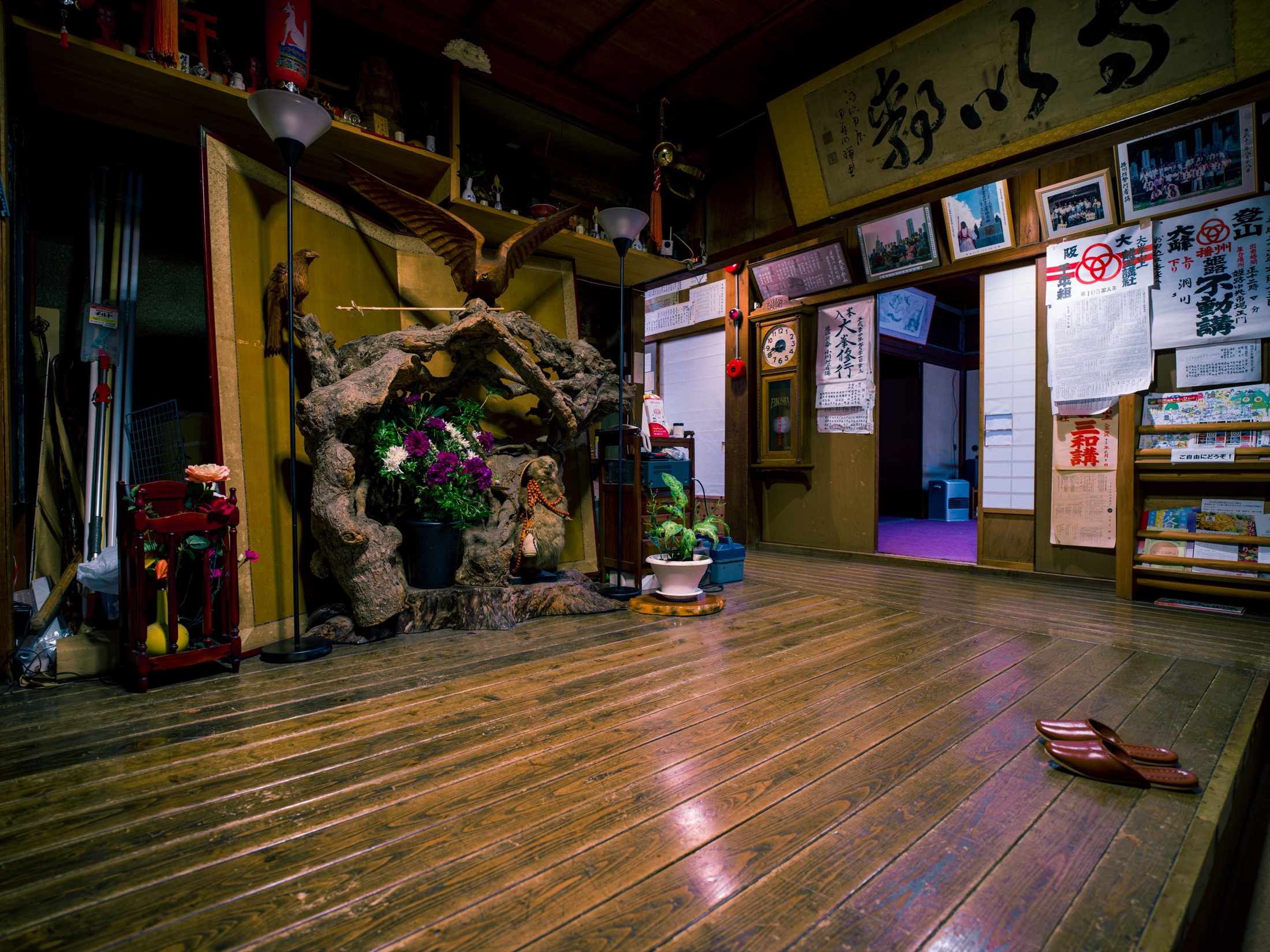
The architecture adapted. The long verandas open to the street were not just for watching the neighbors go by: they let dozens of men enter almost at once, without breaking the group. Inside, vast tatami rooms hosted the meals, the prayers and the exhausted bodies.
During the mountain’s open season, from May 3 to September 23, conch shells still echo between the houses. White silhouettes cross the street, ringed staffs in hand. Then come the bath, dinner, and slippers lined up with care. In Dorogawa, the pilgrimage often ends in a yukata.
Thirteen Centuries of Road, Forty Years of Hot Water
The setting suggests people have been soaking in thermal baths here since the age of the samurai. Yet hot water only began flowing to the inns in 1983. The municipal public bath opened ten years later, before a new spring appeared in 2008.
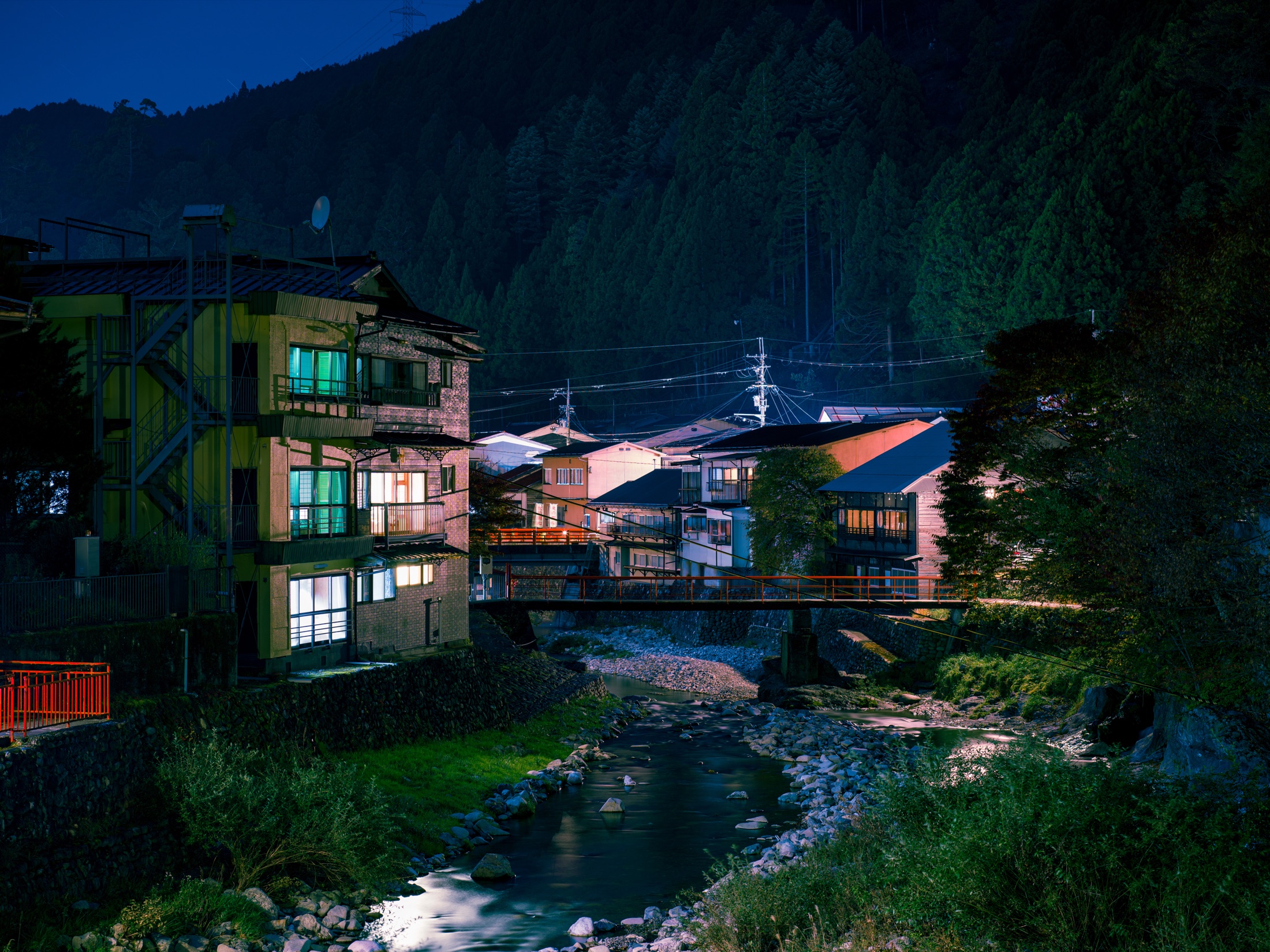
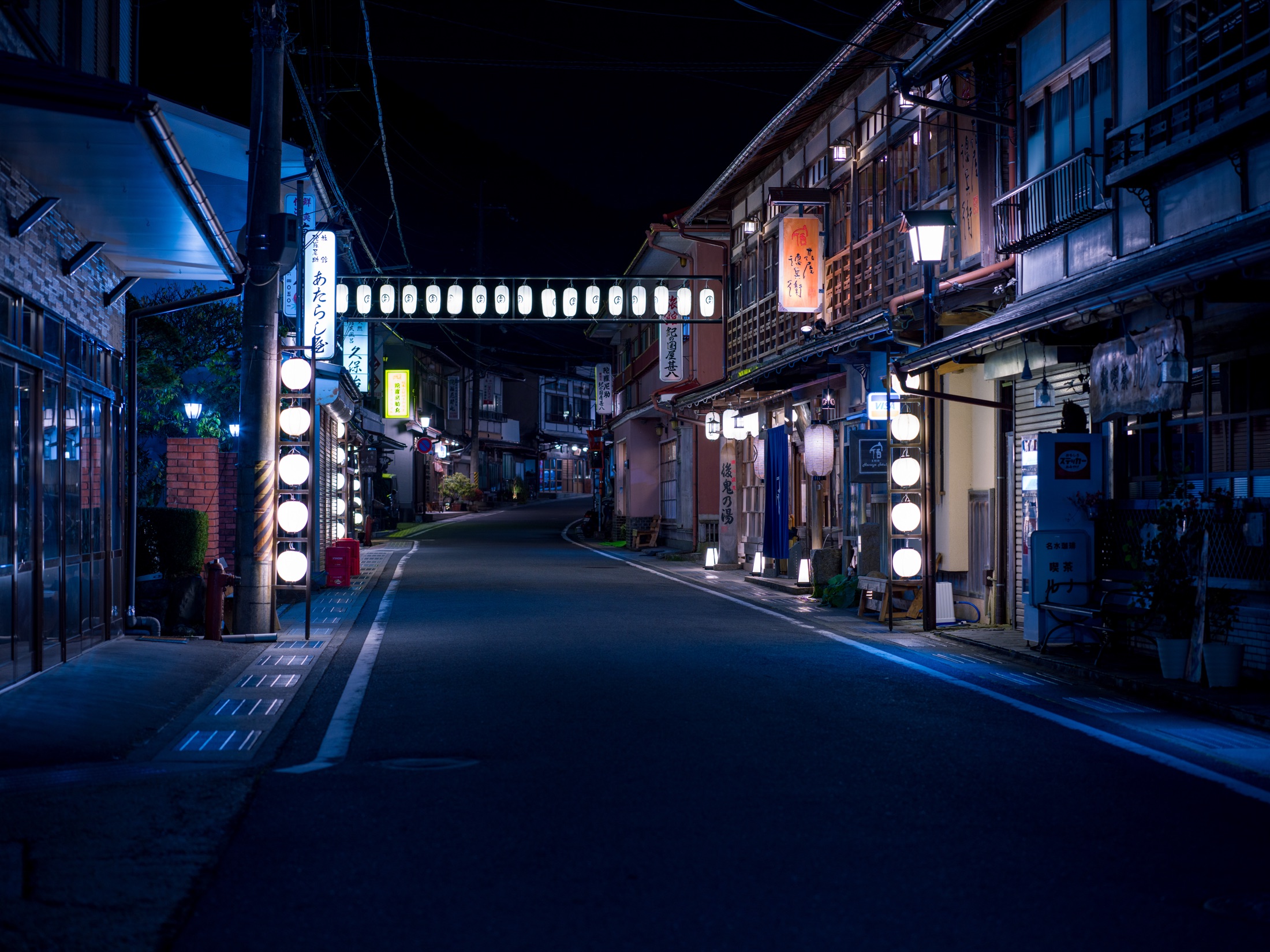
Some inns had already been receiving pilgrims for several centuries by the time Dorogawa officially became an onsen. The thermal water arrived on top of a much older infrastructure made of beliefs, conch shells and aching feet.
Its mildly alkaline spring keeps a low profile: no strong sulfur smell, no spectacular color. A soft water, smooth on the skin, perfect after the walk. The pilgrimage invented the resort; the onsen merely added the steam.
The Mountain Still Keeps Its Door Shut
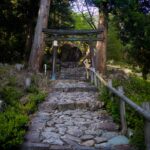
Above the village rises Sanjōgatake, the summit of Mount Ōmine and the historical heart of shugendō. En no Gyōja is said to have founded Ōminesan-ji there in the 7th century, after encountering the deity Zaō Gongen. The path to the summit now belongs to the sacred routes of the Kii peninsula inscribed as World Heritage. But one frontier remains. From the Seijō Ōhashi bridge on, access to Sanjōgatake is still forbidden to women.
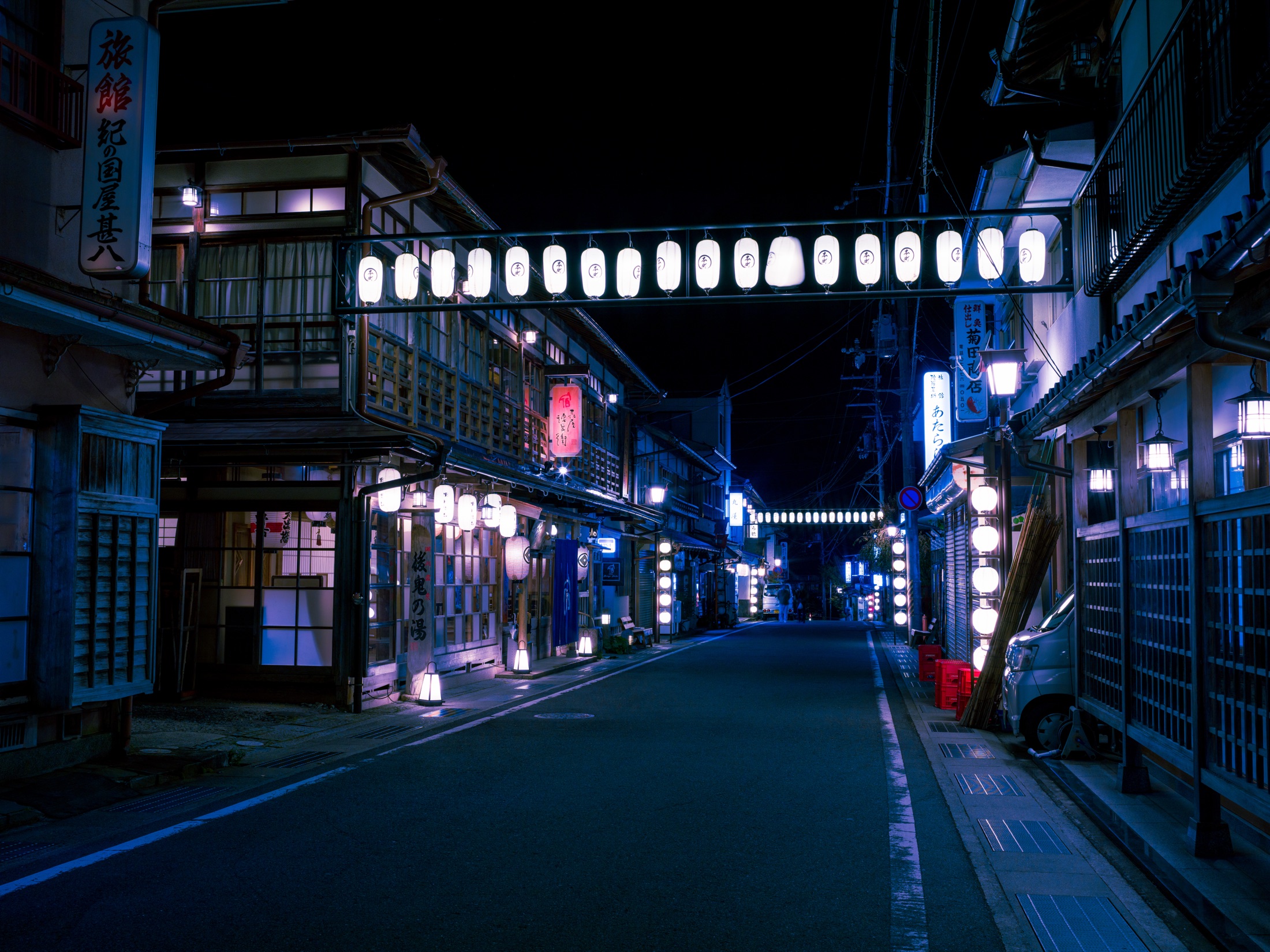
Local legend tells that Shiratōme, En no Gyōja’s mother, wanted to follow her son into the mountain. To spare her the dangers of the ascetic life, he is said to have built her the small temple Hahakō-dō, then raised a gate so she would go no further. The legend explains the ban. It does not make it any less tangible.
While many of Japan’s sacred mountains have abandoned this rule, Sanjōgatake still maintains it, not without controversy. Nearby, Inamuragatake is open to everyone and carries the nickname Nyonin Ōmine, “the women’s Ōmine”. Two summits of the same range, two different rules. Dorogawa lives at the foot of this still-active tradition, with what it passes on and what it still refuses to change.
The Ascetics’ Pharmacy
Between the inns appear curious shops with windows full of yellow boxes, old drawers and medicinal signs. They sell daranisuke, Dorogawa’s emblematic remedy.
According to tradition, En no Gyōja scraped the bark of the kihada, the Amur cork tree, and boiled it to treat an epidemic. The brew, extremely bitter, later became a digestive medicine carried and sold by the yamabushi. Its spread followed that of the pilgrimages to Ōmine.
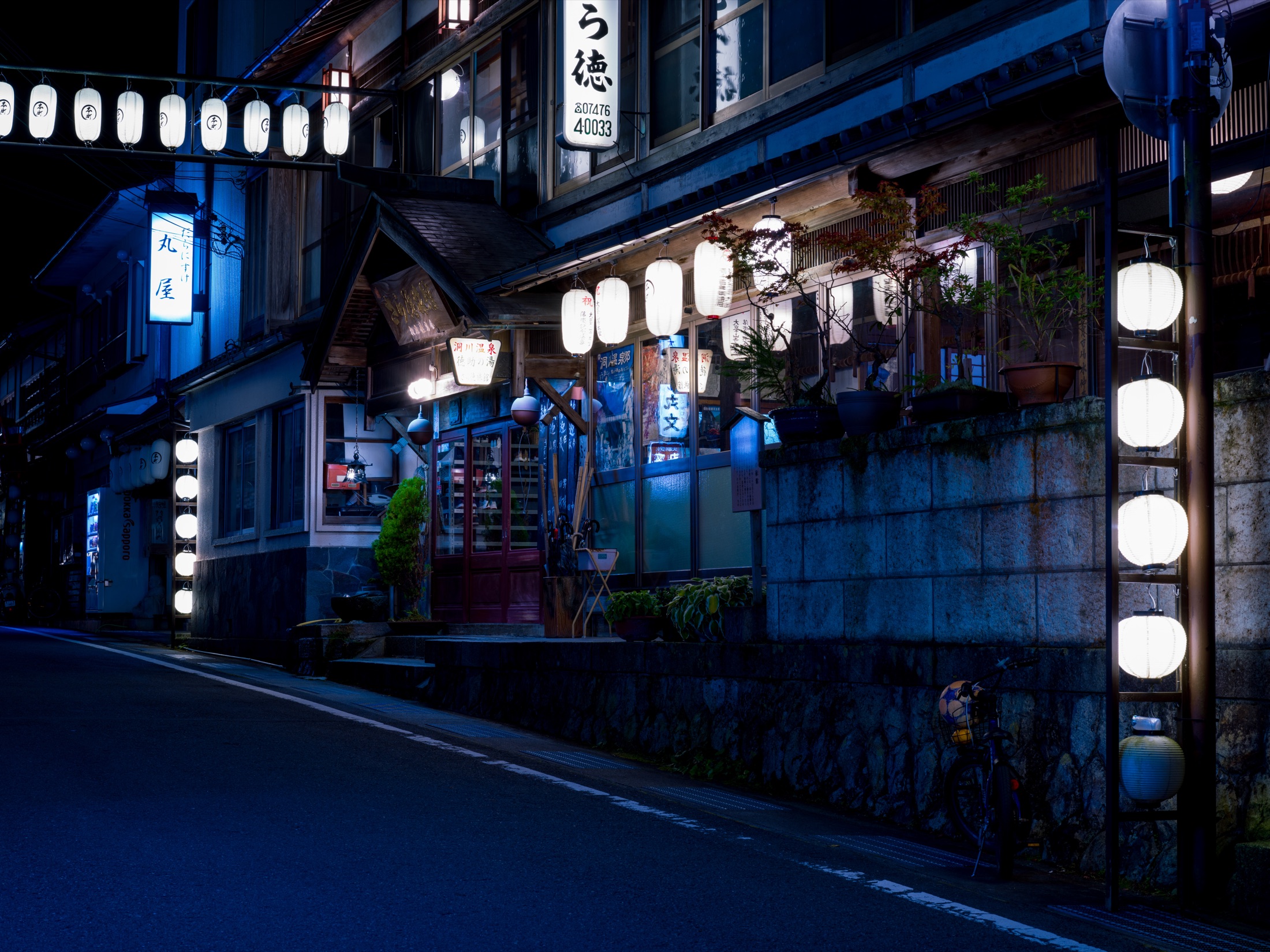
The name is said to come from the dhāraṇī, the long Buddhist formulas recited by monks. One explanation has them keeping a piece of this bark in their mouths so its bitterness would keep them from dozing off during prayers. Long before energy drinks, the mountain had found something more effective: bad taste. Today, daranisuke mostly comes as tiny black pills for troubled digestion. The street’s pharmacies seem never to have quite left the era when religion, commerce and medicine fit in the same drawer.
The Dragon Under the Maples
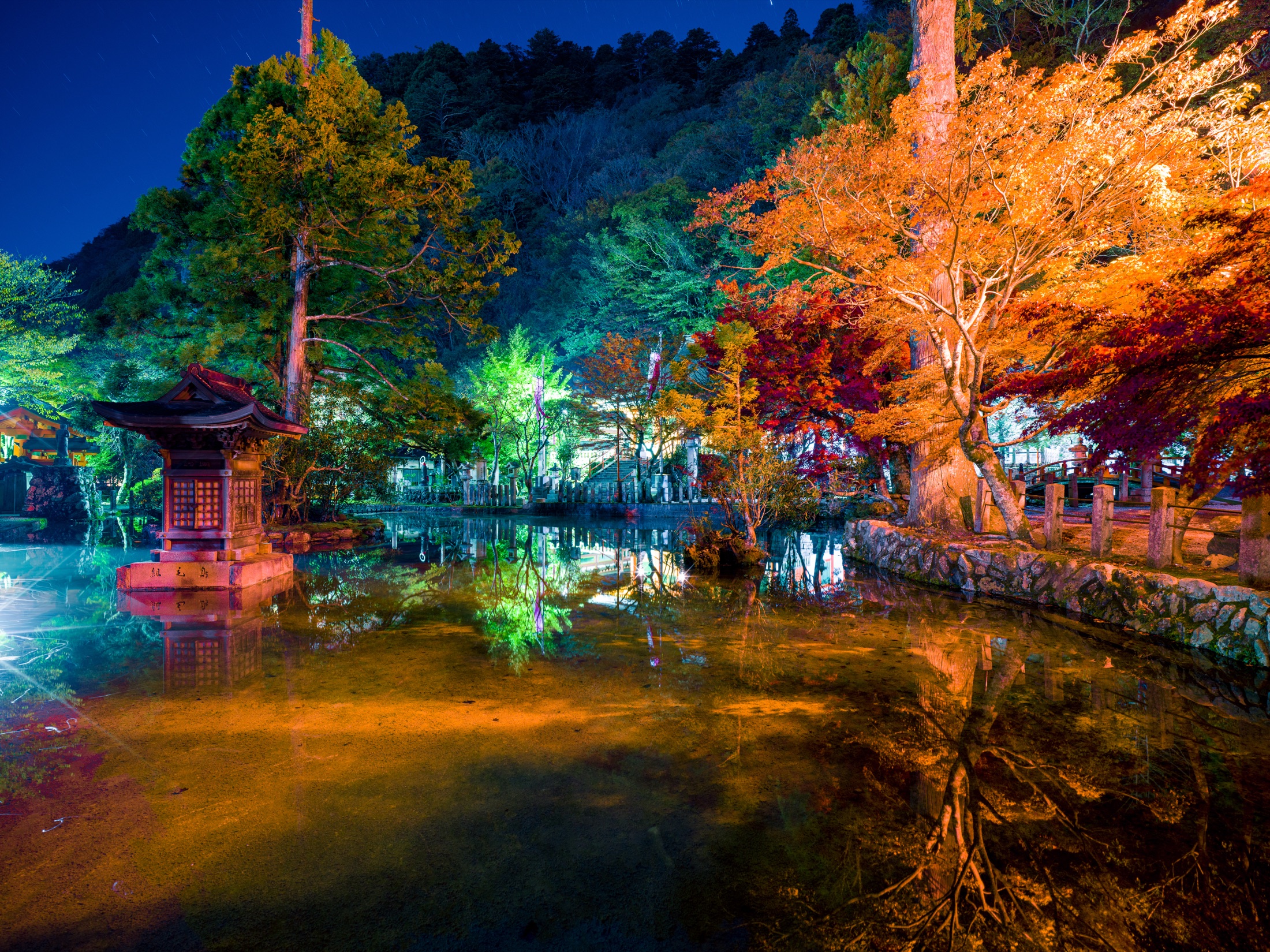
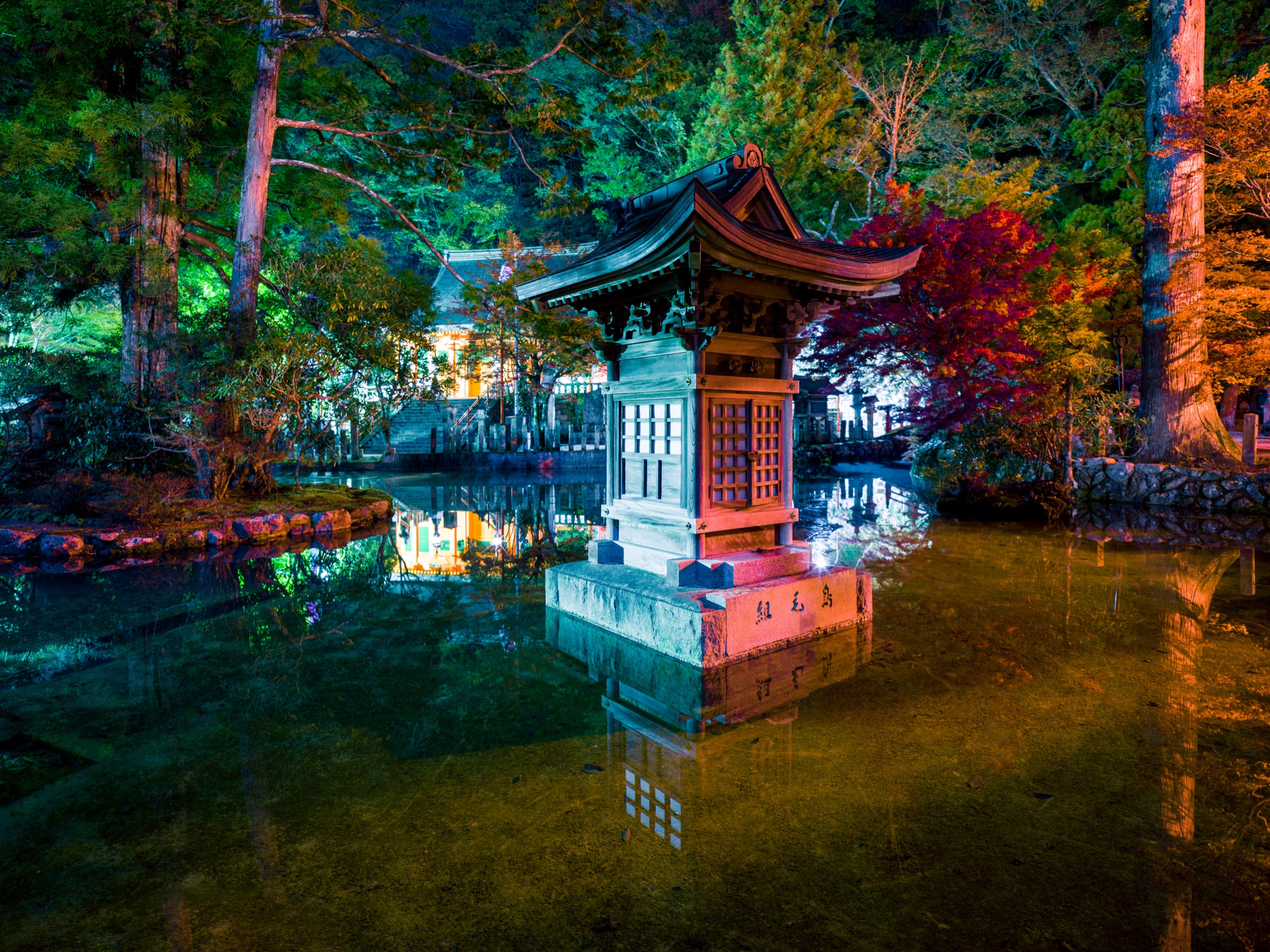
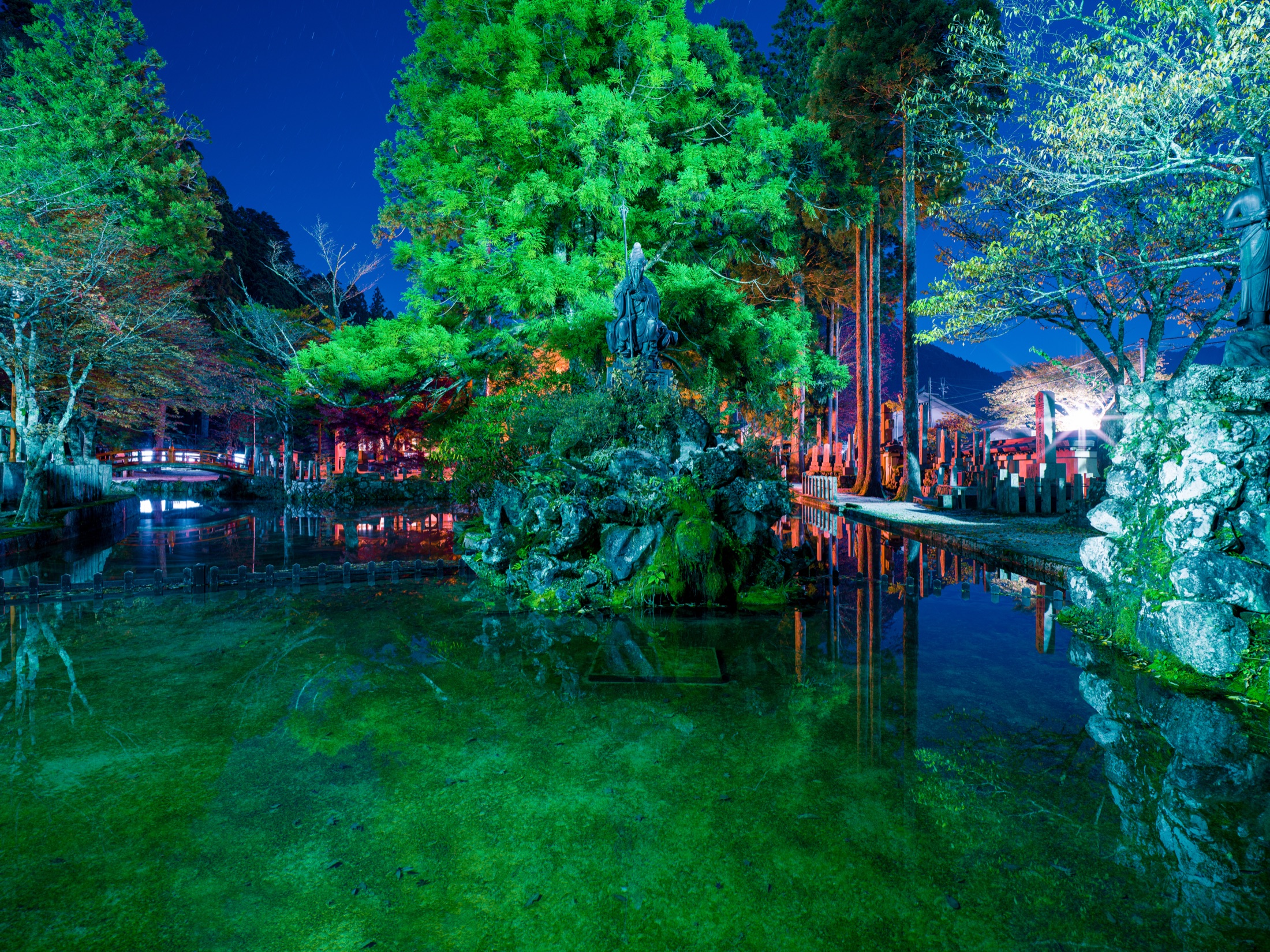
At one end of the village, Ryūsen-ji is built around a spring. En no Gyōja is said to have discovered it on his way down the mountain: a blue water, limpid and so deep its bottom could not be seen. He named it Tatsu no Kuchi, “the dragon’s mouth”, and enshrined the Eight Great Dragon Kings there. Ascetics still come to purify themselves in its cold water and pray for a safe crossing before taking the path to Sanjōgatake. The thermal bath relaxes the muscles on the way back; this one must prepare the spirit for departure. Same village, radically different temperature.
At night the basin turns deep green. A small lantern pavilion keeps watch in the middle of the water, surrounded by rocks, statues and maples lit from below. The reflections barely tremble. The water does not really return the light: it seems to keep it. In front of the temple also rests a round stone with a strong personality. Belief has it that it grows light when stroked with affection, but heavy if you strike it or speak to it with contempt. At Ryūsen-ji, even the pebbles keep an eye on your manners.
The Mountain Goes Goro-Goro
Beneath Dorogawa, the water pursues another job. The limestone ground, once formed under the sea then lifted with the mountains, is riddled with cavities and galleries. Drop by drop, the water has carved caves, raised columns and opened passages beneath the forest.
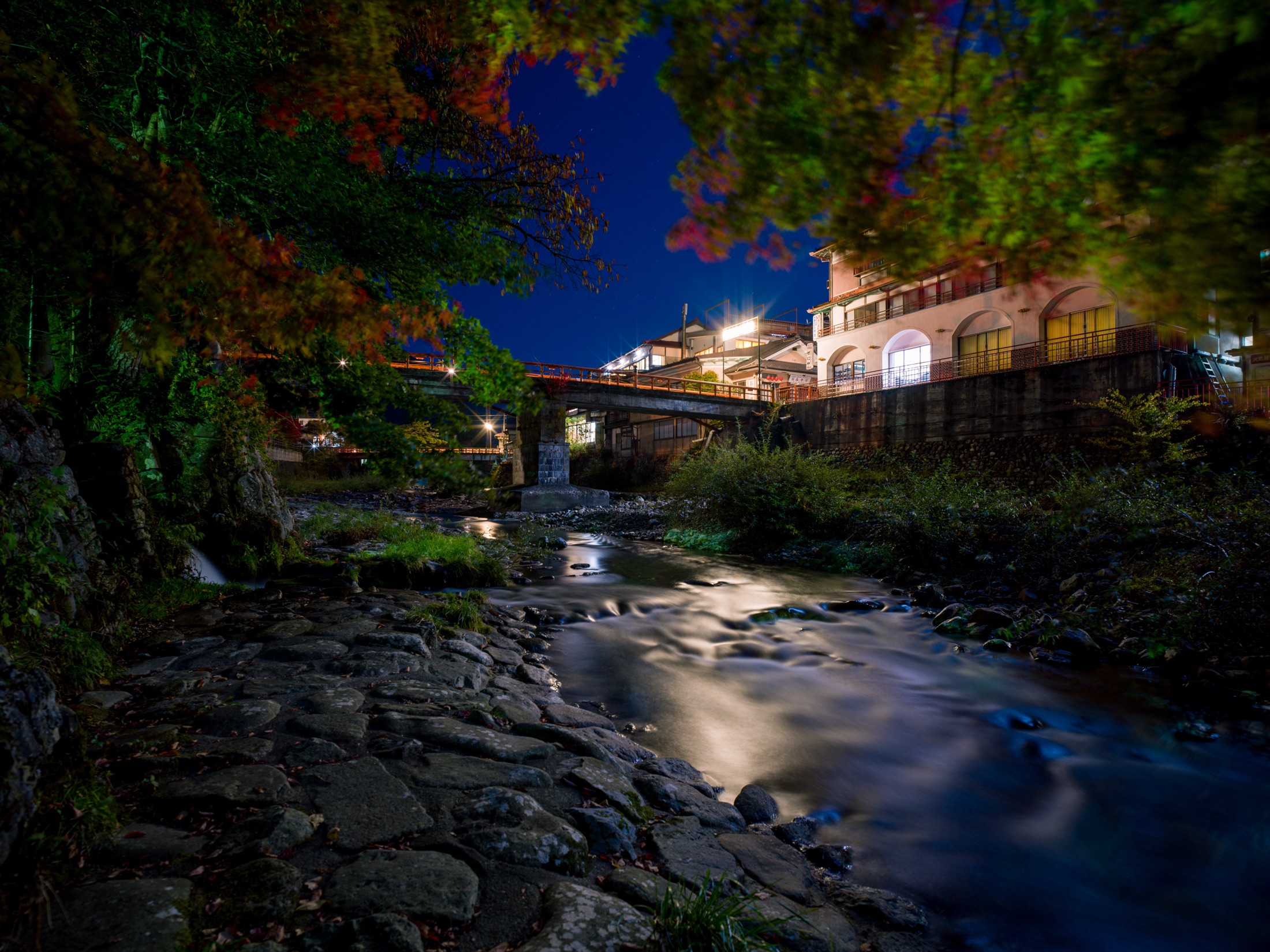
It surfaces notably at Goro-goro-mizu, one of Dorogawa’s three springs ranked among Japan’s hundred remarkable waters in 1985. The name is said to come from the rumble heard in the rock, like small stones rolling through an underground pipe. The mountain looks still, but it gurgles from within. In the village, the water changes roles: spring water for drinks, tofu and sweets; ritual water at Ryūsen-ji; thermal water in the baths. In Dorogawa you pray to it, you drink it, you soak in it, and sometimes you listen to it talking underground.
The Night Holds the Lamp
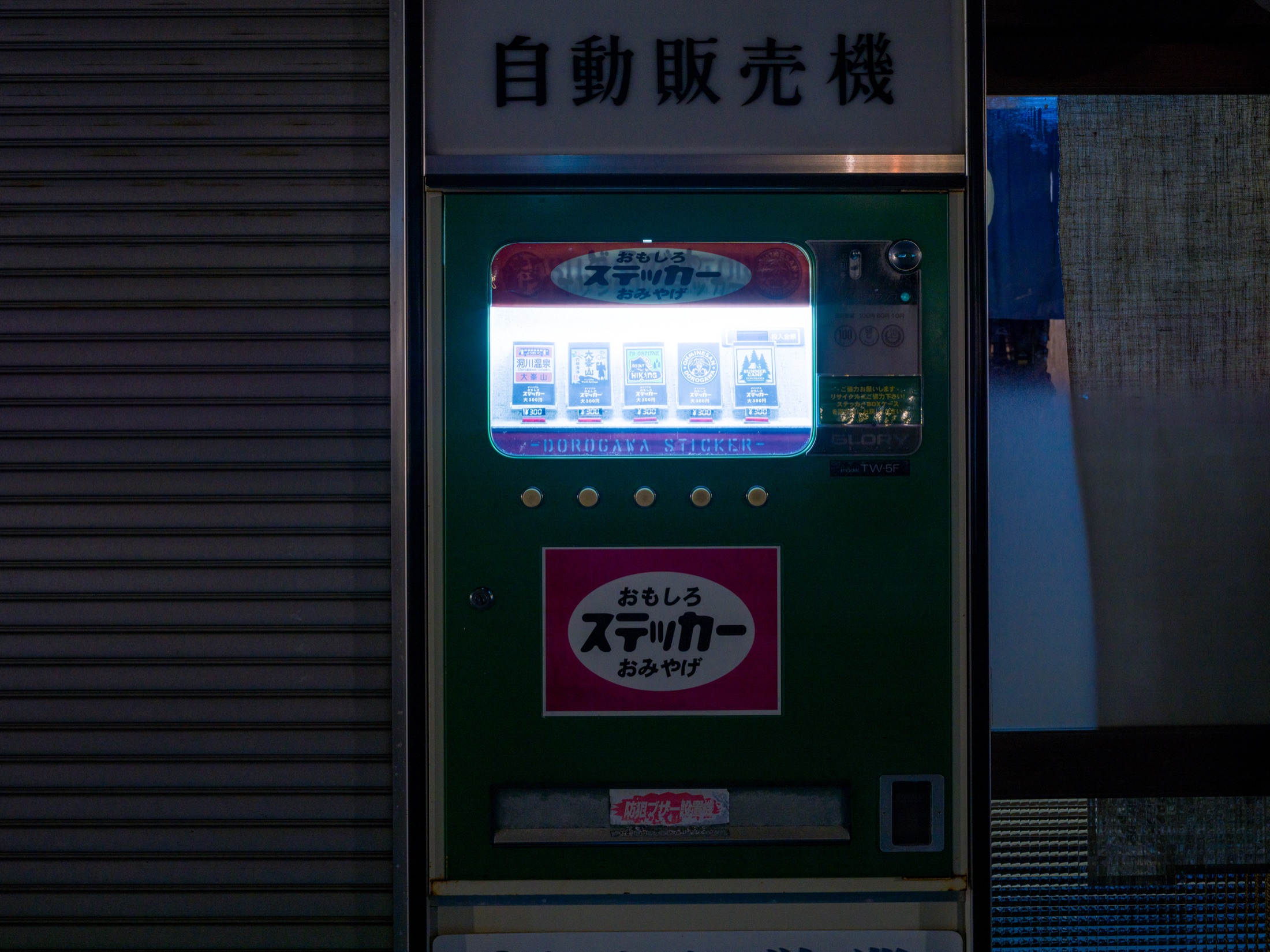
After dinner the street empties. The river passes under the red bridge, the mountains become black masses, and the lanterns cut small warm circles on the asphalt. Behind the windows, the wooden floors shine, a pair of slippers waits by a step, and the mementos of old pilgrimages still cover the walls. In the middle of this scenery, a vending machine sells “DOROGAWA” stickers. A small dose of plastic in a village of wood, dragons and ascetics. Modernity has arrived, but it pulled over to the side so as not to block the view.
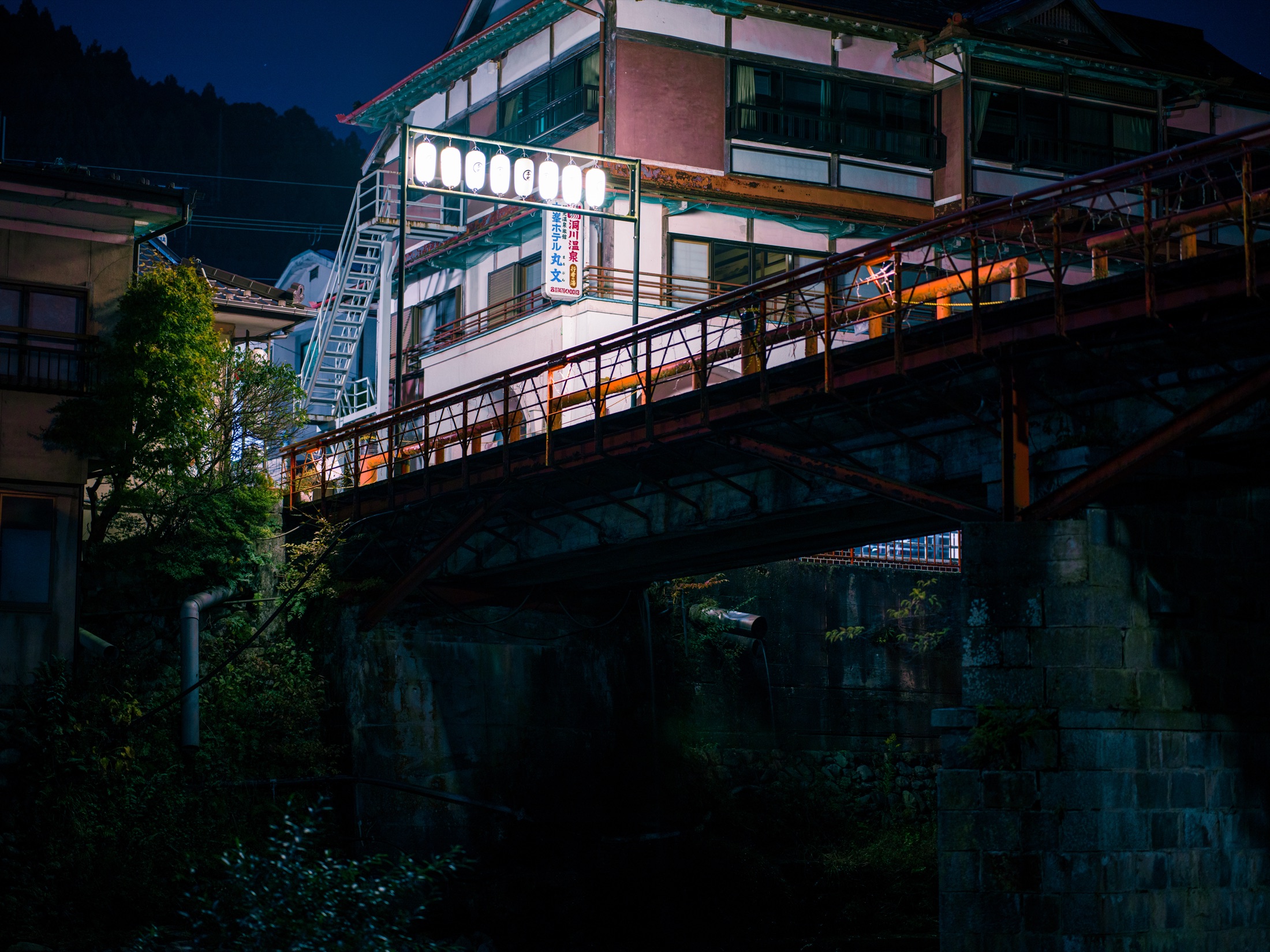
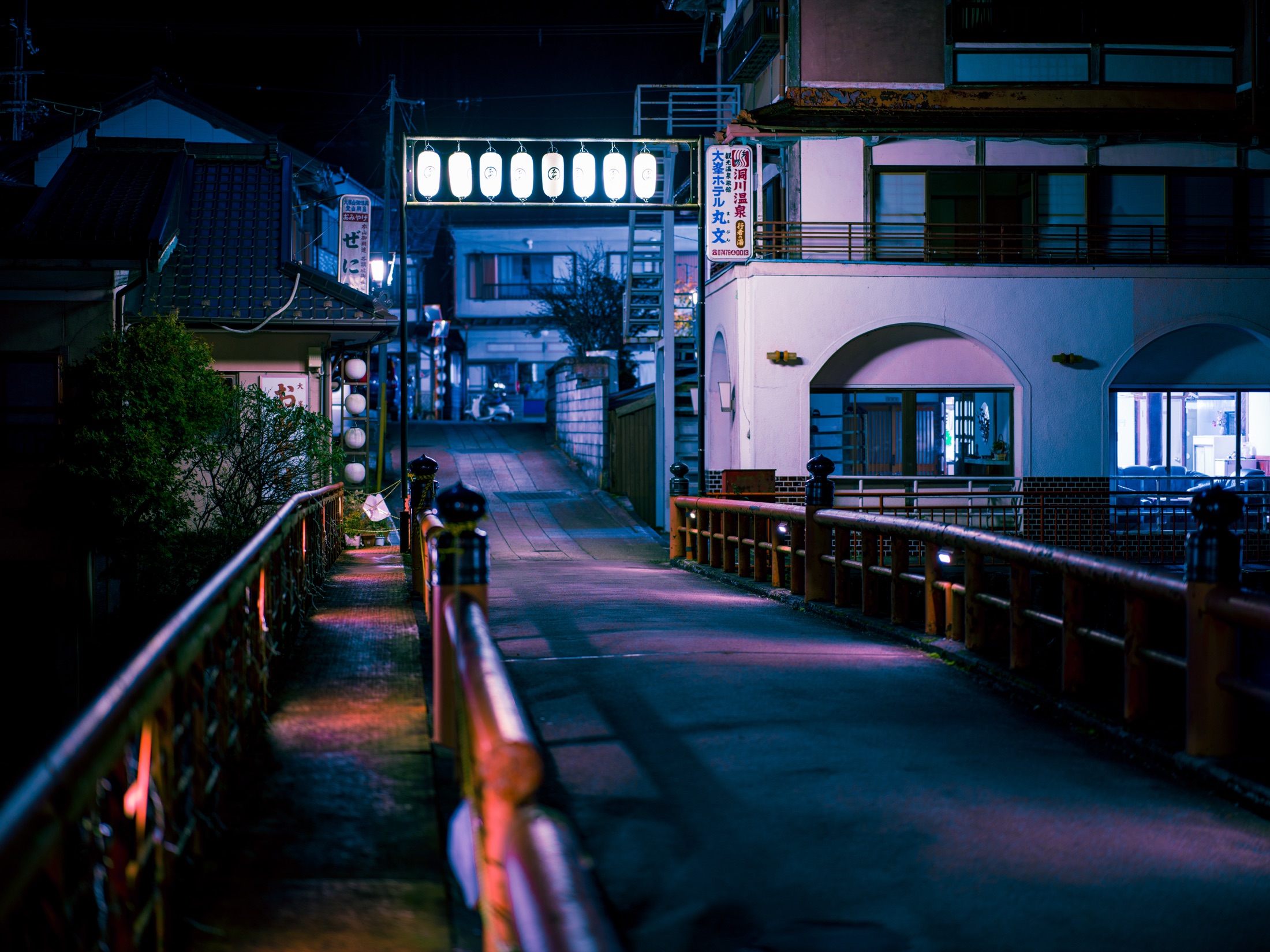
In the morning, the men in white will take the path again. A conch will wake the facades, Ryūsen-ji will see still-wet bodies pass, and the mountain will close its trees behind them. Dorogawa, for its part, has learned to wait: for the end of an ascent, the return of a group, the closing of the summit, the following spring. Under the lanterns, the village still keeps the light on for those who have not come back down.
 Instagram