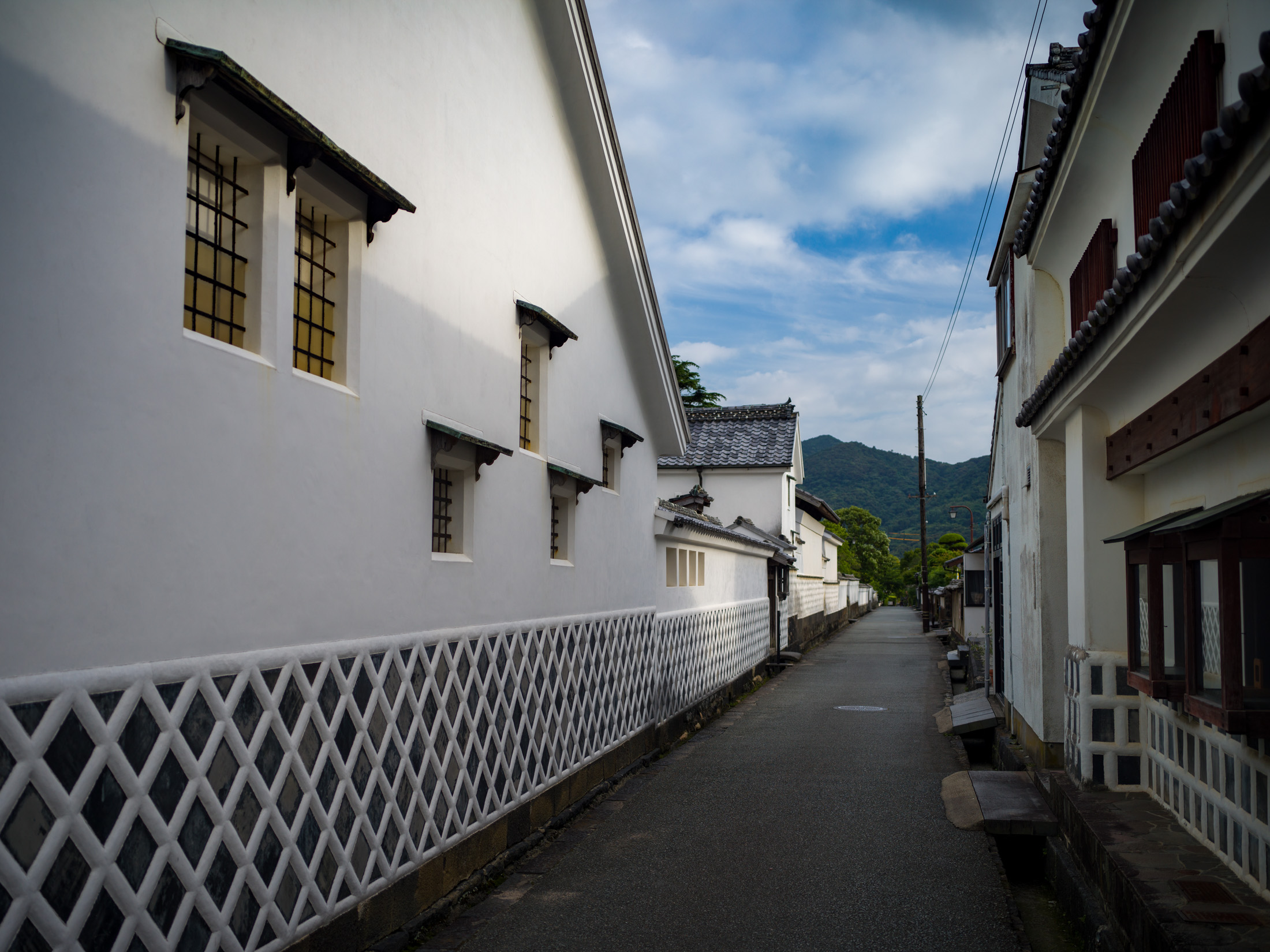
An old castle town on the Sea of Japan: empty lanes, white walls, citrus in the gardens, and a handful of figures who helped tip Japan into the modern era.
The Walls Up North
Hagi sits at the north end of Yamaguchi Prefecture, facing the Sea of Japan. The town spreads between the coast, the Abu River, and Mount Shizuki, at whose foot Mōri Terumoto built his castle in 1604. For more than two and a half centuries, Hagi was the heart of the Chōshū domain, one of the great territories of western Japan. At the end of the Edo period, Chōshū played a decisive role in the fall of the Tokugawa shogunate and the Meiji Restoration, with several of its key figures trained or born in Hagi.
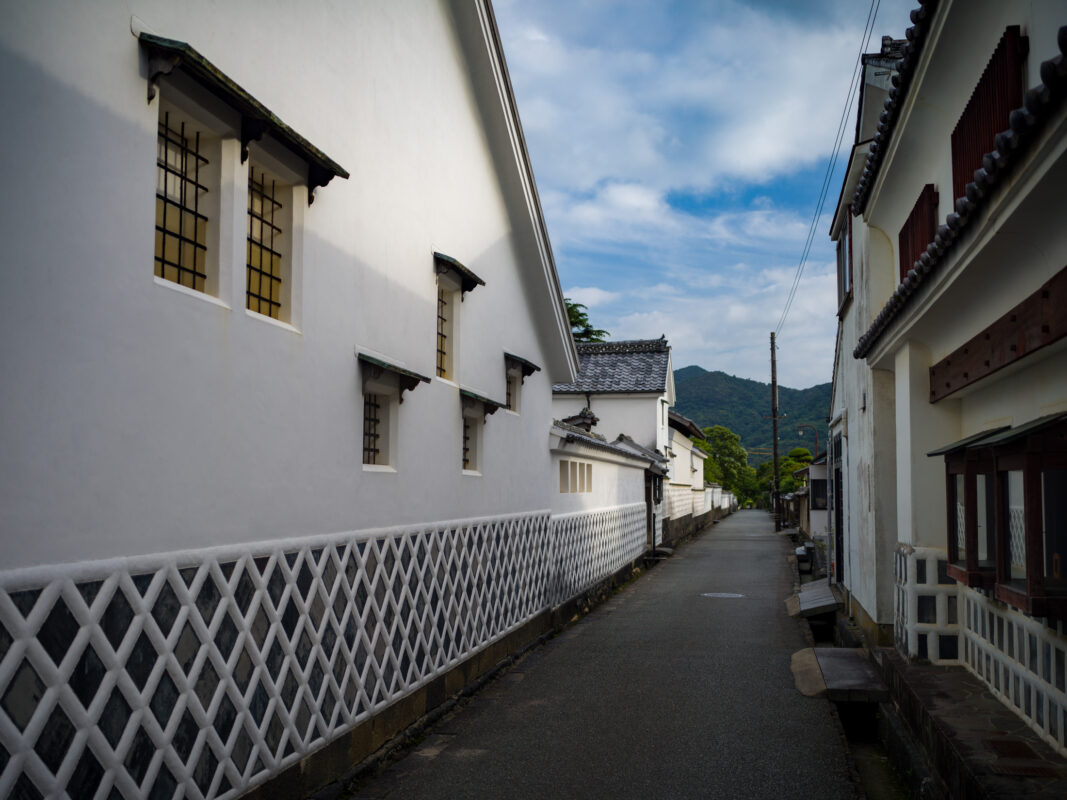
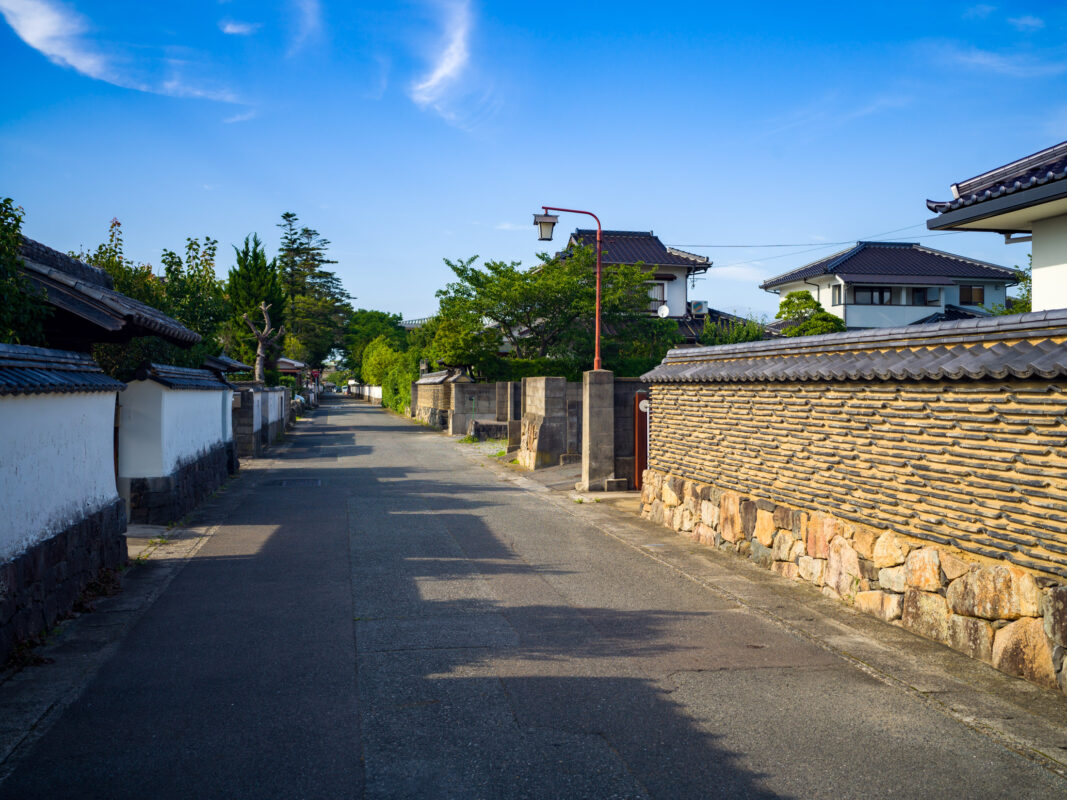
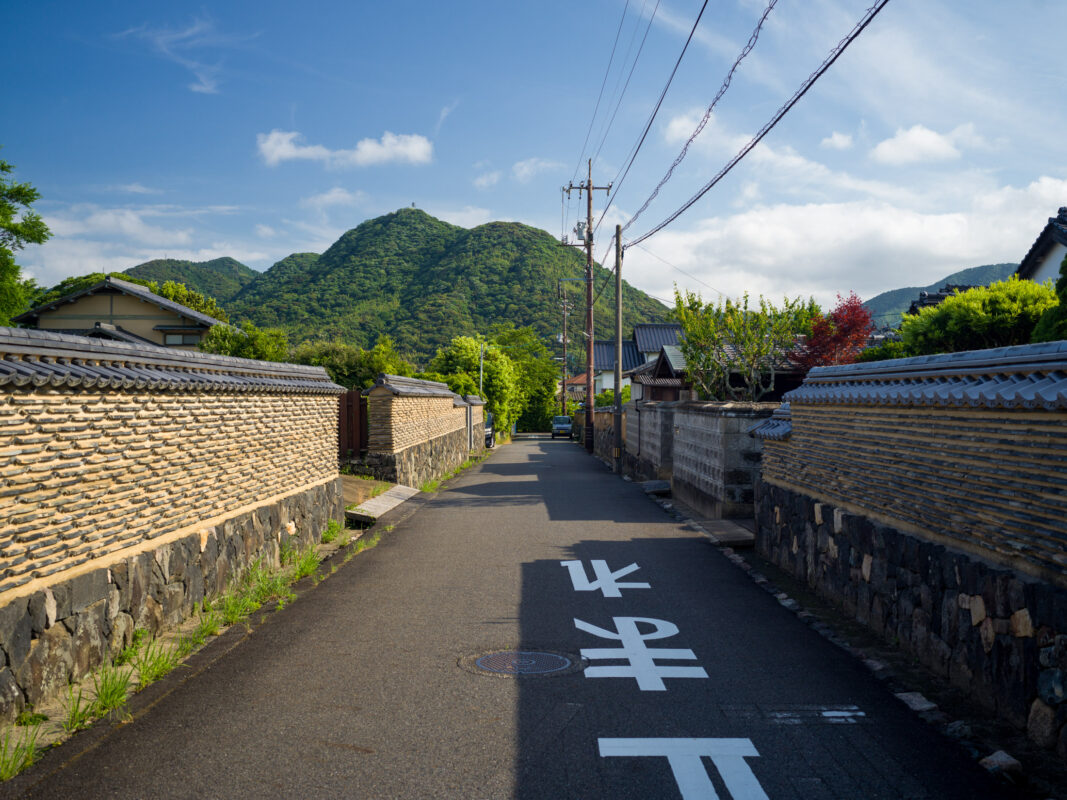
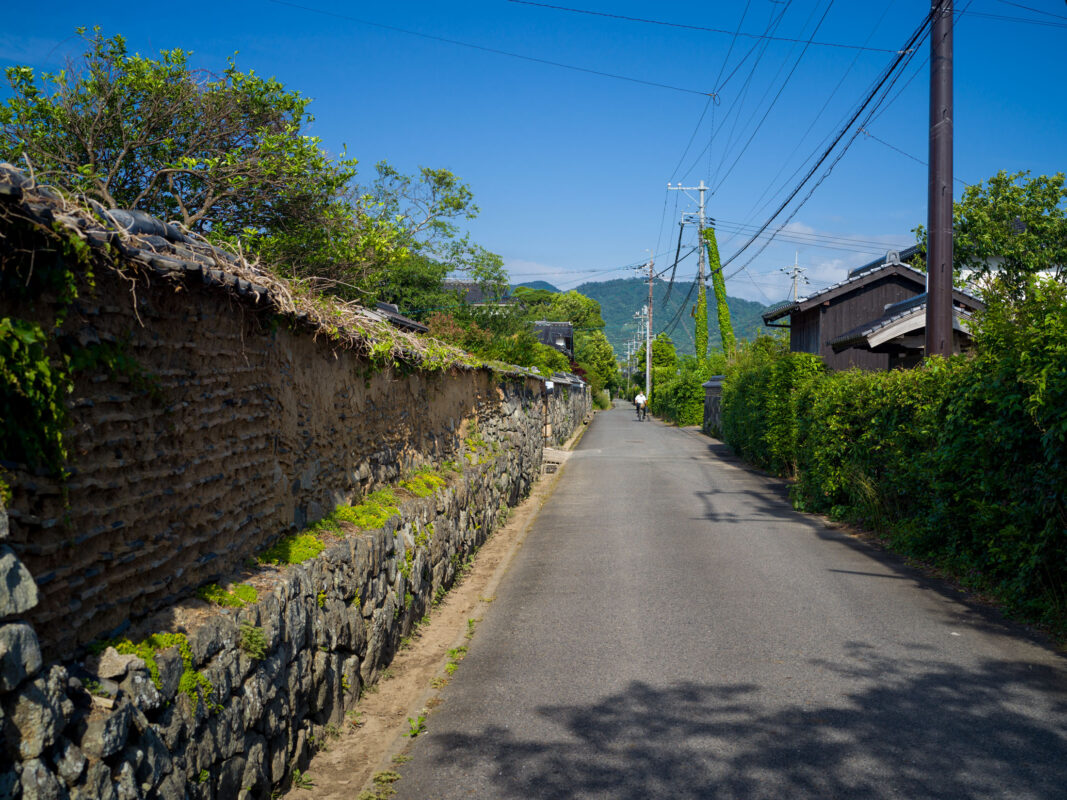
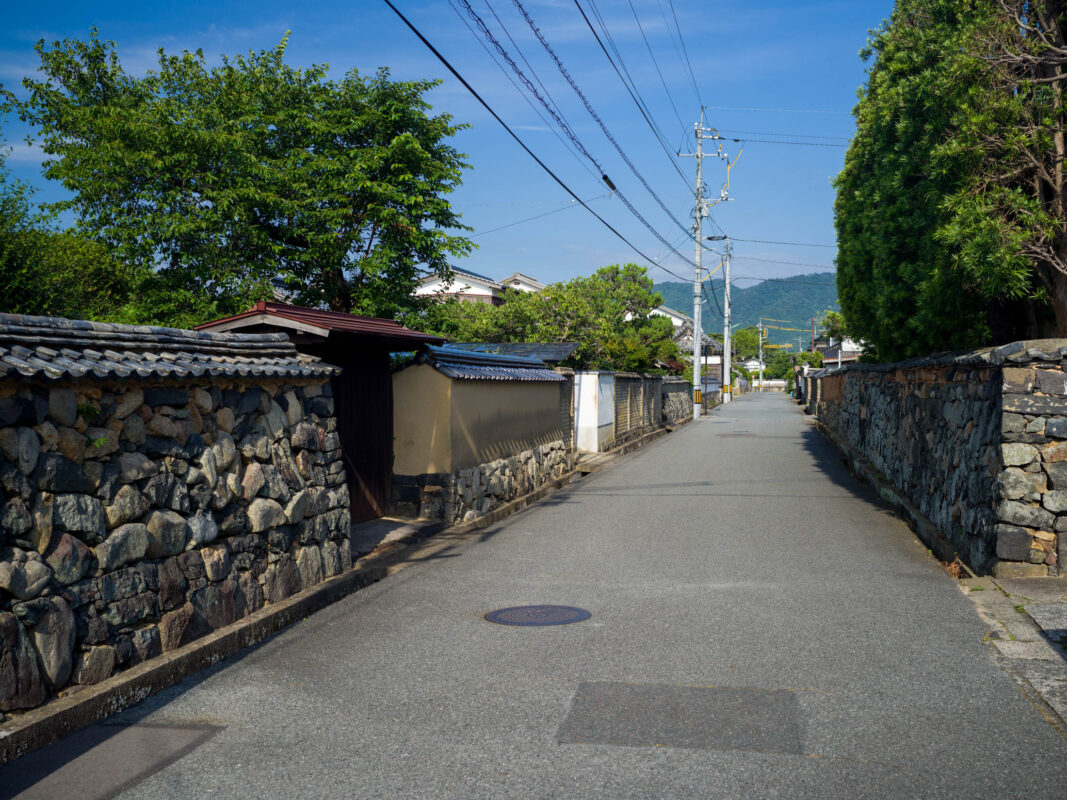
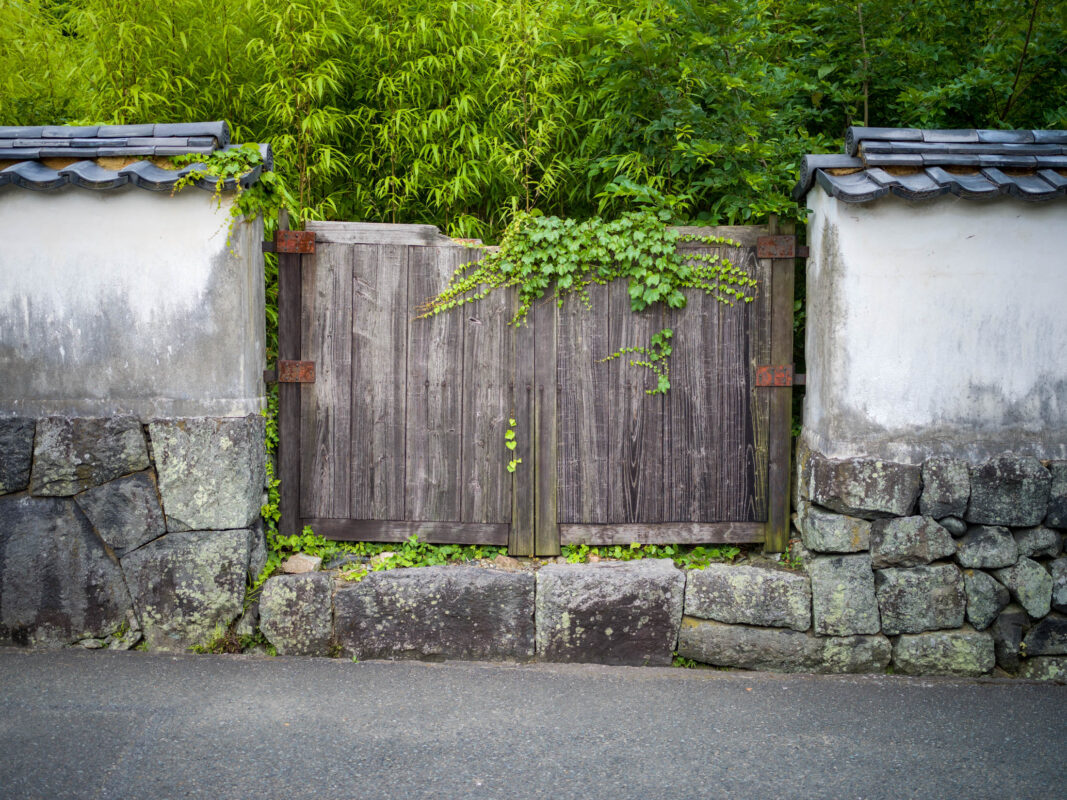
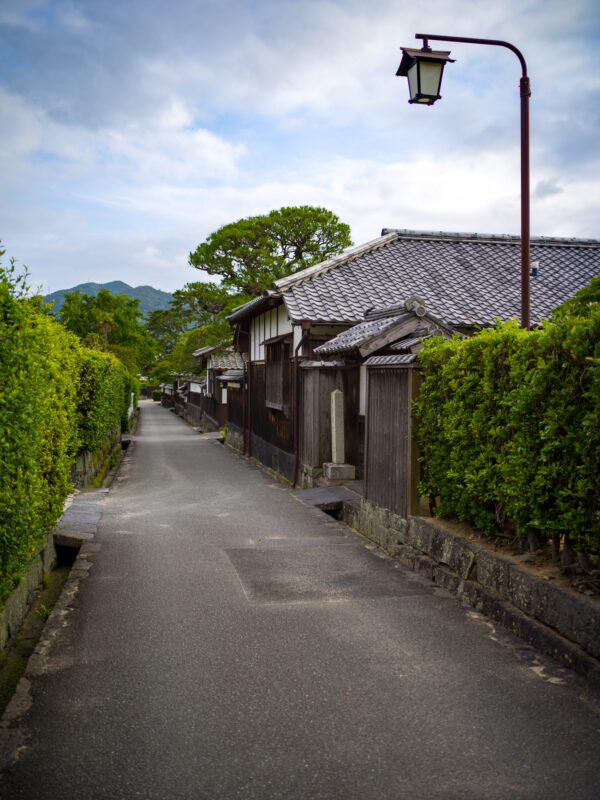
The lanes are quiet, sometimes almost empty, lined with white walls, dark tiles, and gardens you sense more than see. The contrast is rather delicious: the town looks like a silent postcard, even though it raised some of the least peaceful men of 19th-century Japan.
Lanes That Turn Short
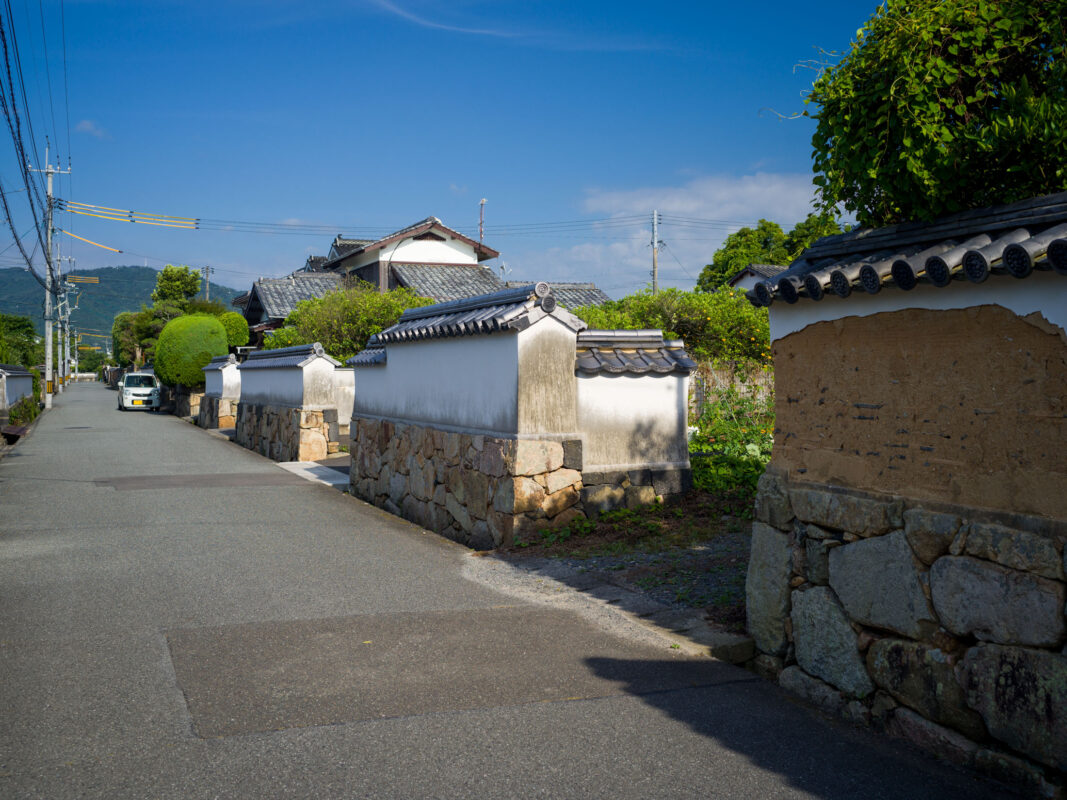
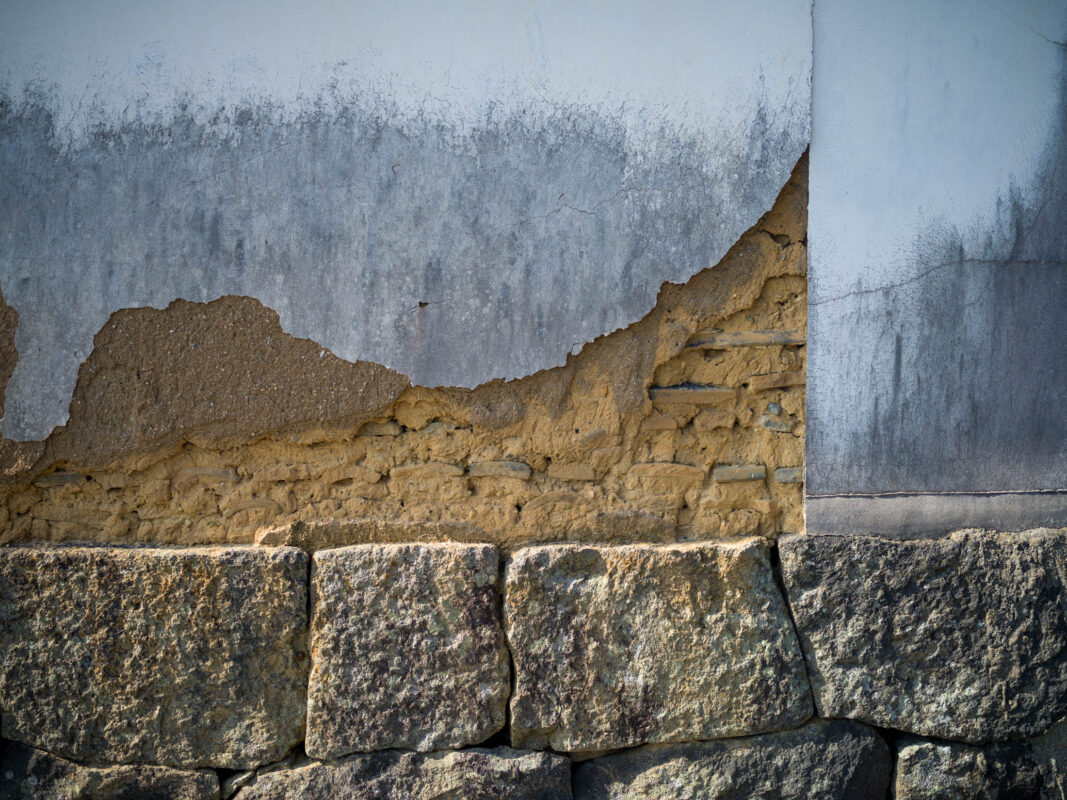
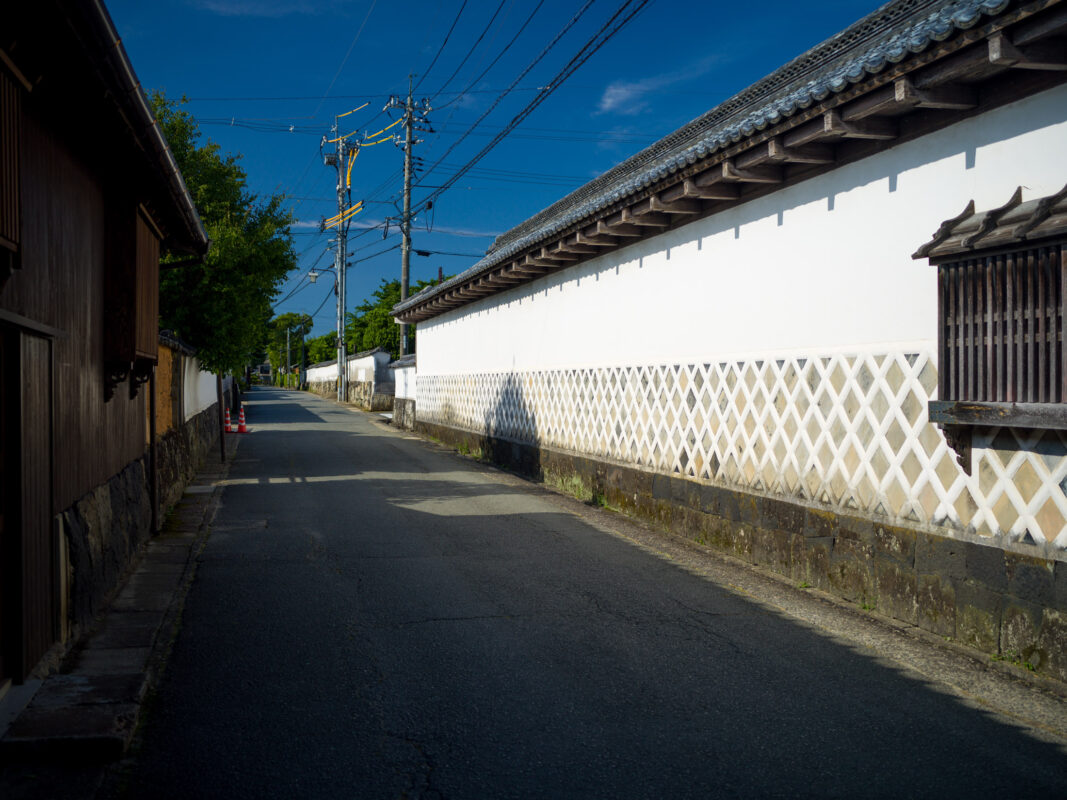
In the old castle district, the Edo-era layout is still very legible. You pass former samurai houses, merchant residences, earthen walls, and namako-kabe, white plastered walls gridded with dark joints whose relief looks like the skin of a sea cucumber.
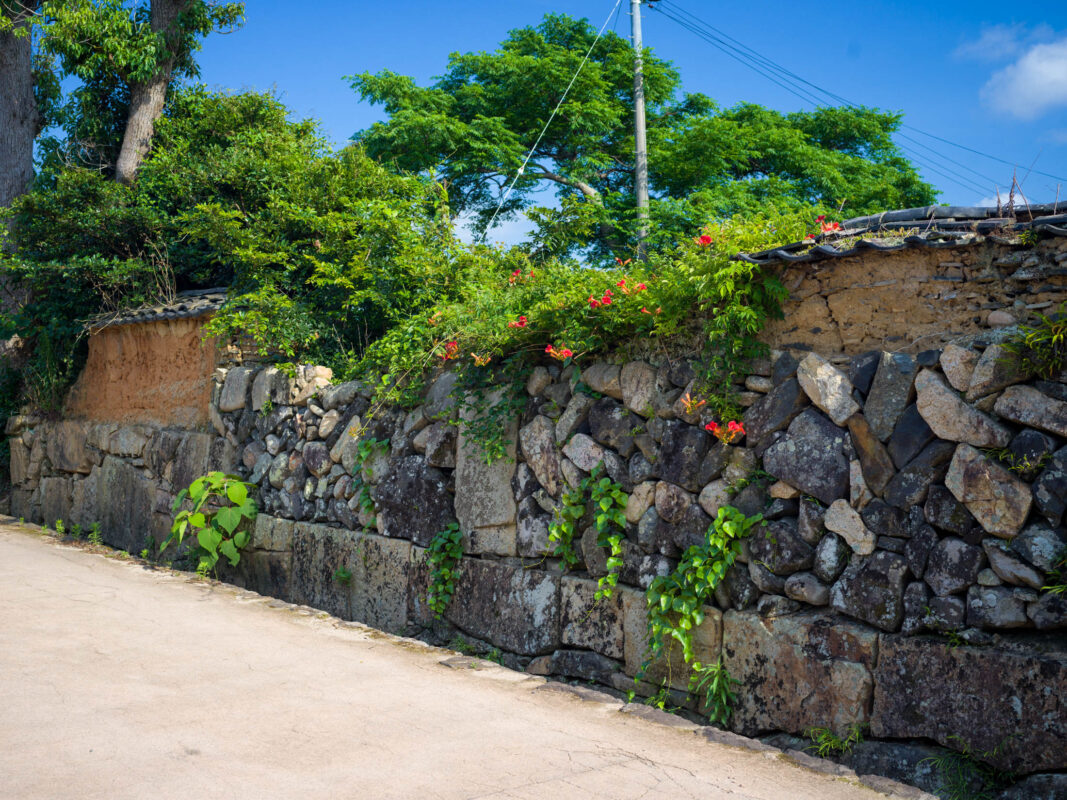
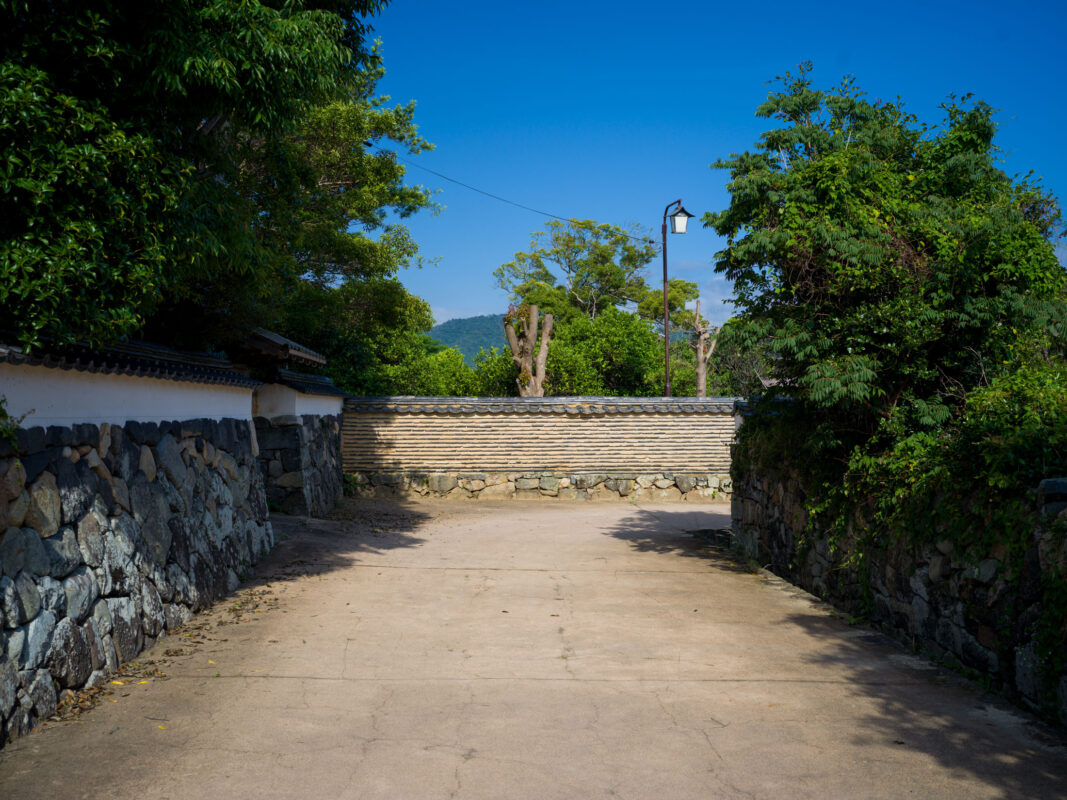
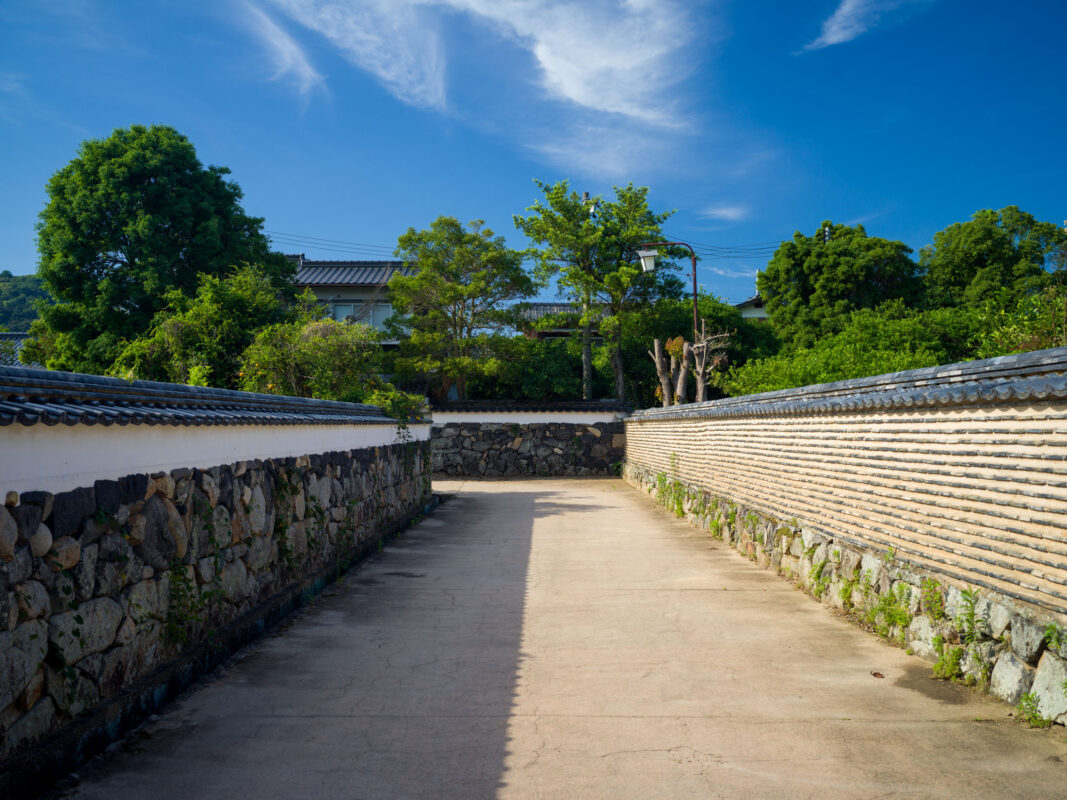
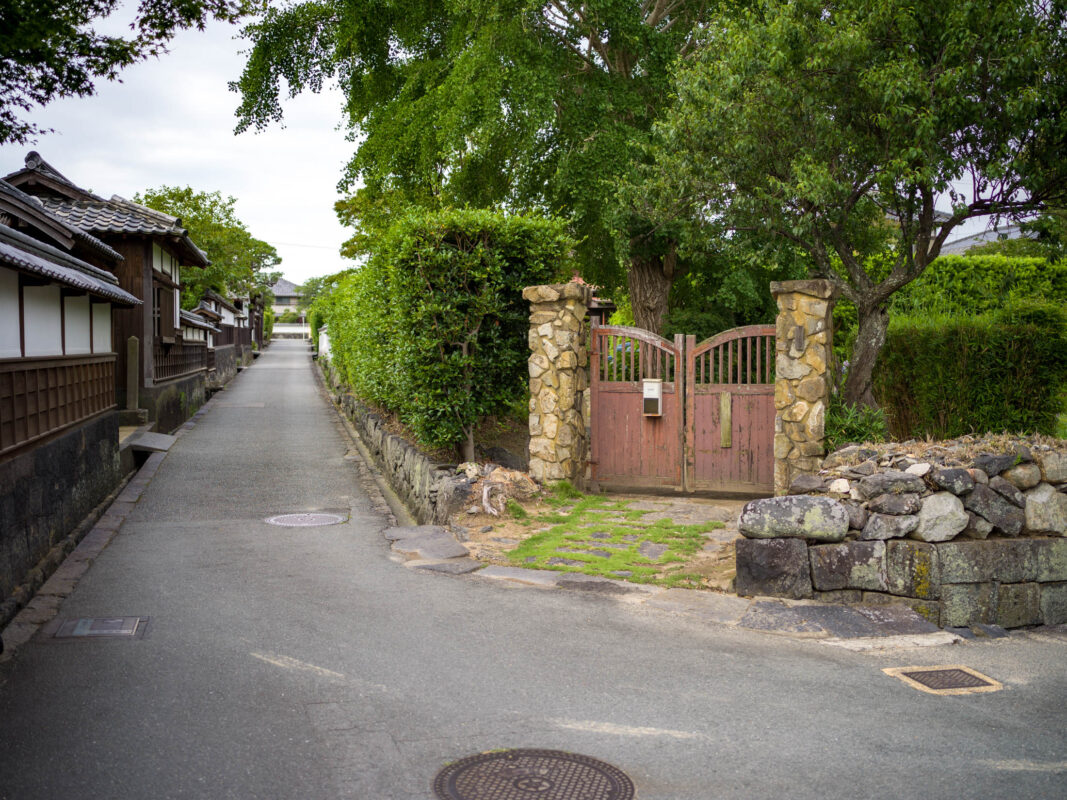
Some lanes form right angles called kaimagari. In feudal times, these bends were meant to break the line of sight, slow down intruders, and complicate an attack. Today they mostly delight photographers: a wall, a shadow, a branch, a patch of sky, and the street composes itself. In this very orderly setting, Hagi keeps the memory of several late-Edo figures. You can visit the birthplace of Kido Takayoshi, also known as Katsura Kogorō, one of the great architects of the Meiji Restoration. Behind these tidy walls, feudal Japan began to lose its balance.
The Old Samurai’s Citrus
In the lanes, in the gardens of the old residences, sometimes above the walls, you spot natsumikan, those big yellow citrus fruits that have become one of Hagi’s symbols. They give the town an almost domestic note: a samurai story, but with fruit in the frame. Their spread is tied to the end of the feudal system. After the Meiji Restoration, many former samurai lost their income. In 1876, Obata Takamasa encouraged growing natsumikan on the grounds of the old residences to help these families make a living another way. The swords left the stage, the citrus took over.
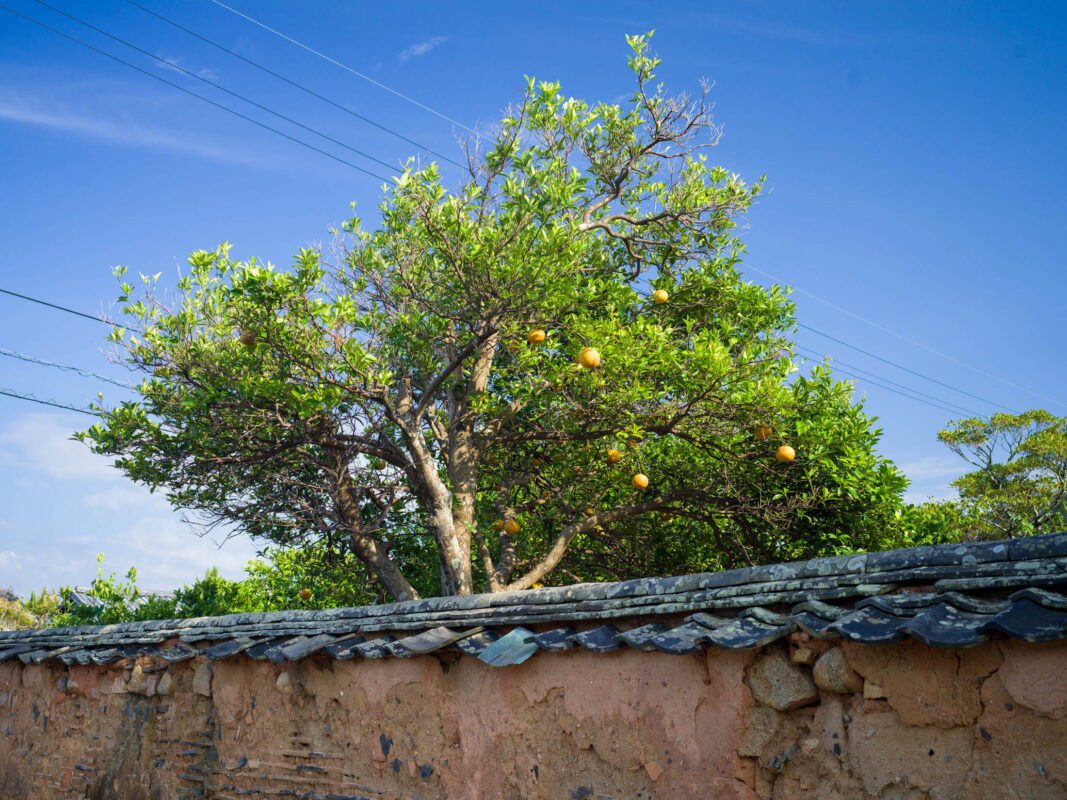
In spring, the white blossoms scent the streets. In winter, the fruit stays visible in the gardens. Hagi has this rather elegant way of letting history grow behind the walls.
A Torii in Front of a Temple
Along the walk, Ensei-ji surprises you with its stone torii standing before a Buddhist temple. The place, also called Konpirasha Ensei-ji, keeps the trace of an old blend of Buddhism and Shintō: a Konpira shrine sits within the grounds, dedicated to a deity that protects sailors and navigation.
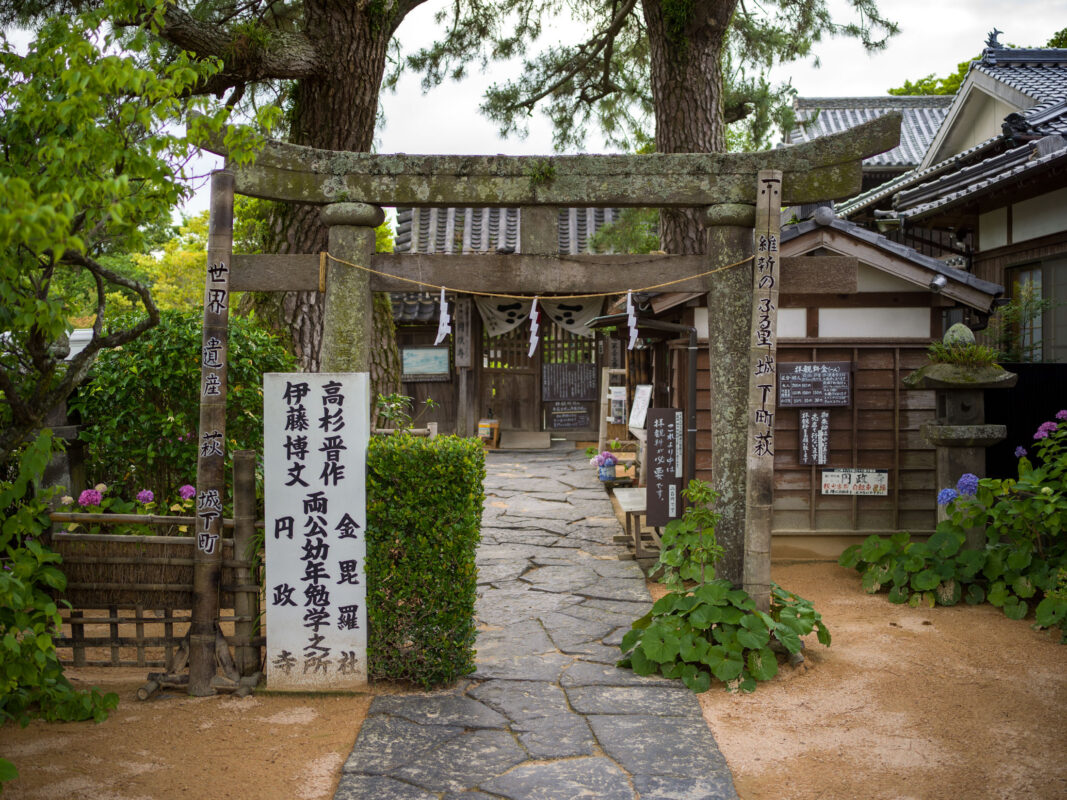
Ensei-ji is also linked to Takasugi Shinsaku and Itō Hirobumi. The temple holds a large red tengu mask made in 1838. The story goes that the young Takasugi was brought here to learn to overcome his fear. He would become one of Chōshū’s great figures at the end of the shogunate. Itō Hirobumi, future first Prime Minister of Japan, is said to have studied here as a child too, learning reading and calligraphy. In a town this quiet, you quickly stumble on names that fill the history books.
Pottery, Cafés, and a Night on the Spot
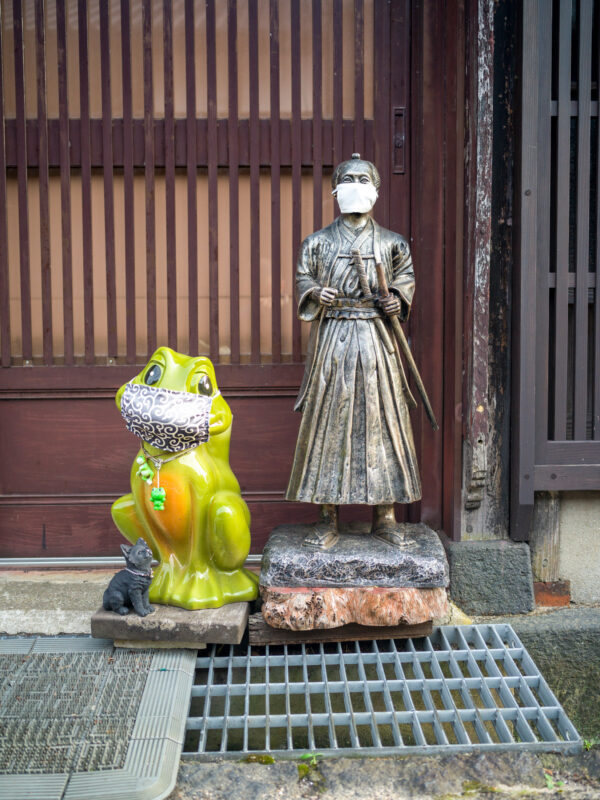
As you move deeper into the district, small shops take over from the silent walls. In front of some windows, ceramic figurines greet passersby, masked when I visited during the Covid period. Many of these shops showcase local craft, starting with Hagi-yaki. Born in the early 17th century in the wake of the Korean potters brought over by the Mōri clan, this ceramic is prized above all for its tea bowls, their sober tones, soft texture, and the way they change with use. The tea gradually seeps into the fine crackles of the glaze: people speak of the “seven transformations of Hagi”.
In the center, you will find several pottery shops and workshops. You can also pause in cafés set inside renovated old houses. Hagi really deserves a night on the spot: in the evening the lanes empty out even more, the walls soften, and the town finds its true rhythm.
The Sea at the End of the Walk
From the old district, you easily reach the ruins of Hagi Castle, at the foot of Mount Shizuki, then Kikugahama beach. After the walls, the low houses, and the closed-off lanes, this opening onto the Sea of Japan lets the walk breathe. Hagi is best explored on foot or by bike. You can pass through the old castle district, the samurai houses, Ensei-ji, the Hagi-yaki shops, the castle ruins, then finish facing the sea. The Ma-ru Bus loop also links the main areas. And if the Sea of Japan coast makes you want to go further, there is the Sado Mine up north, or the silence of Eiheiji.
Whatever you do, once you are there, slow down: Hagi has a lot to tell, but it does so in a low voice.