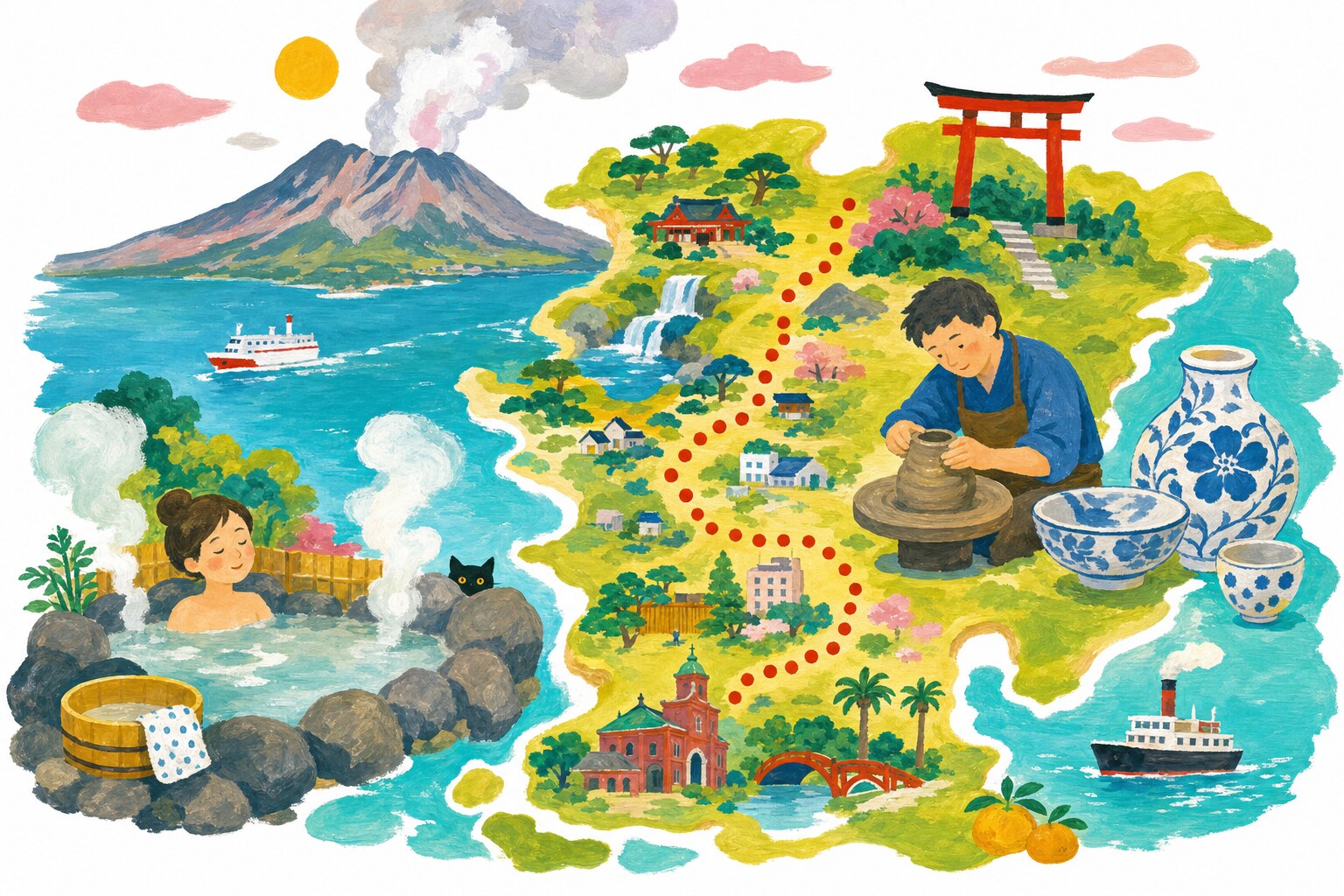
Kyushu is the Japan I was promised before I ever boarded a plane: volcanoes that actually smoke, shrines with nobody in them, potters’ villages forgotten in their valleys, and people who take the time to talk to you. It’s the region I recommend first to anyone coming back to Japan for a second trip, or anyone who wants a first trip that doesn’t look like everyone else’s.
This two-week itinerary loops around the island clockwise, from Fukuoka to Kagoshima, with an optional finale on Yakushima. It’s built on my own visits, many of them repeated, to every one of these stops. Count twelve days for the main loop, fourteen with the cedar island.
How the route works
Kyushu doesn’t do all-shinkansen: the high-speed line only serves the west coast, and the island’s best hides exactly where the rails stop. This route combines trains for the long hops, a ferry across the Ariake Sea, and two or three legs where a rental car changes everything (around Aso and Takachiho in particular). Nothing daunting: the roads are empty and southern drivers are in no hurry.
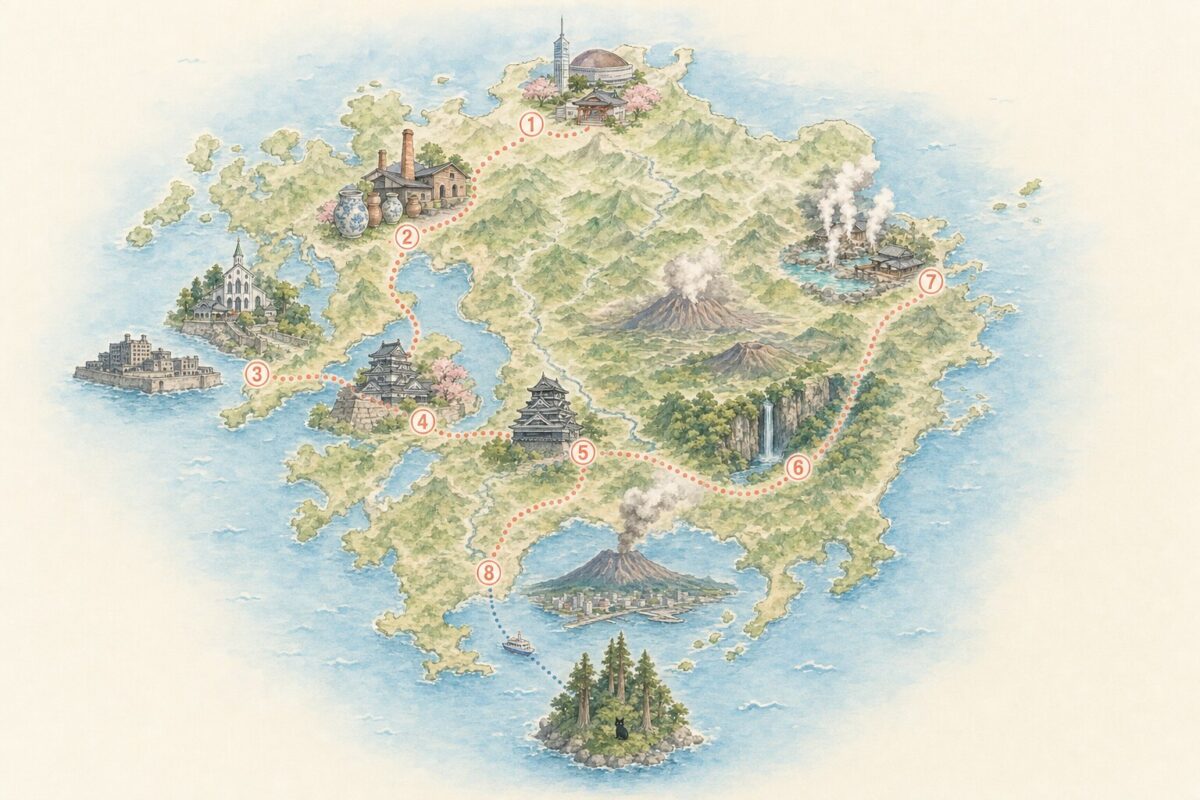
The numbers follow the stages of this guide. Every address in the itinerary lives on the interactive map below, ready for your phone once you’re there.

 Ikuzo
IkuzoDays 1-2: Fukuoka, the warm-up
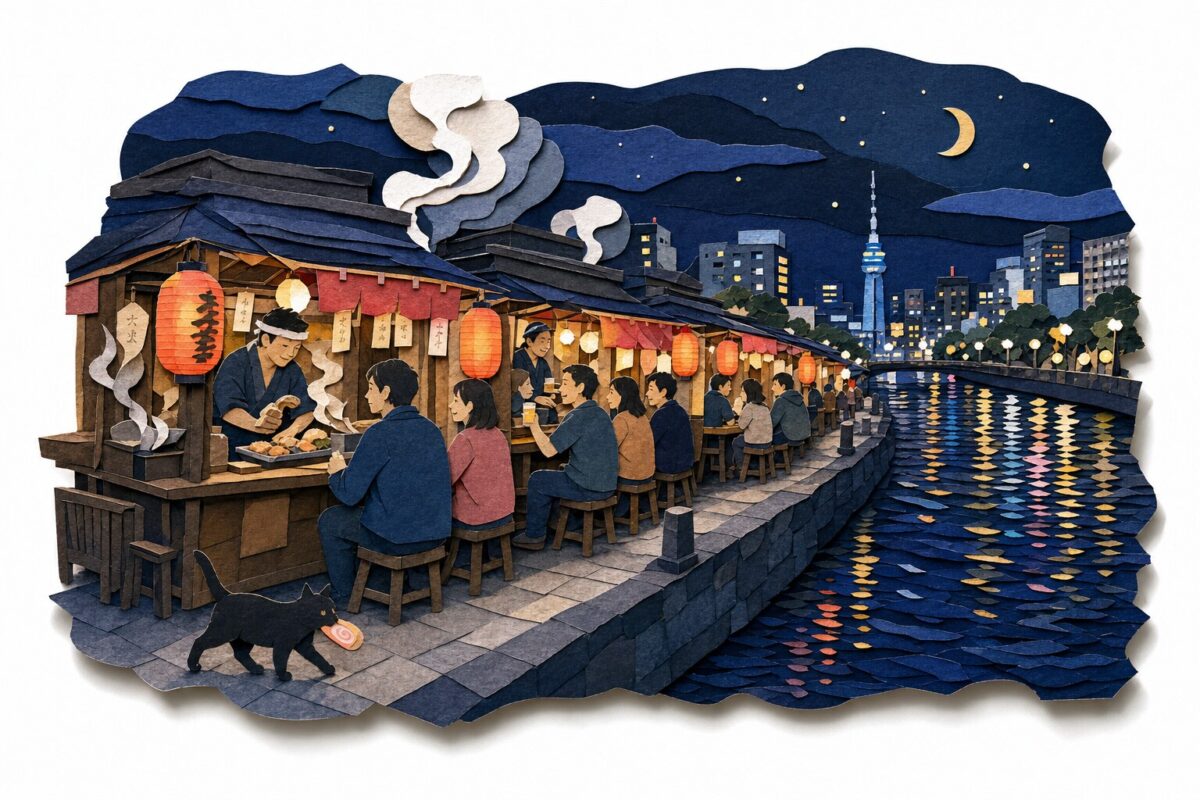
Fukuoka is Kyushu’s front door and probably Japan’s most liveable big city. You don’t come for monuments; you come to eat. At night the yatai line up along the Naka river, and tonkotsu ramen is best eaten in its home town, at the counter, white broth and firm noodles.
On day two, head into the Chikugo countryside an hour southeast. Ukiha Inari Shrine stacks its 91 vermilion torii up a hillside above the orchards, and you’ll probably climb them alone. It’s your first taste of what Kyushu does best: superb places nobody visits.
Day 3: Saga, potters and torii in the sea
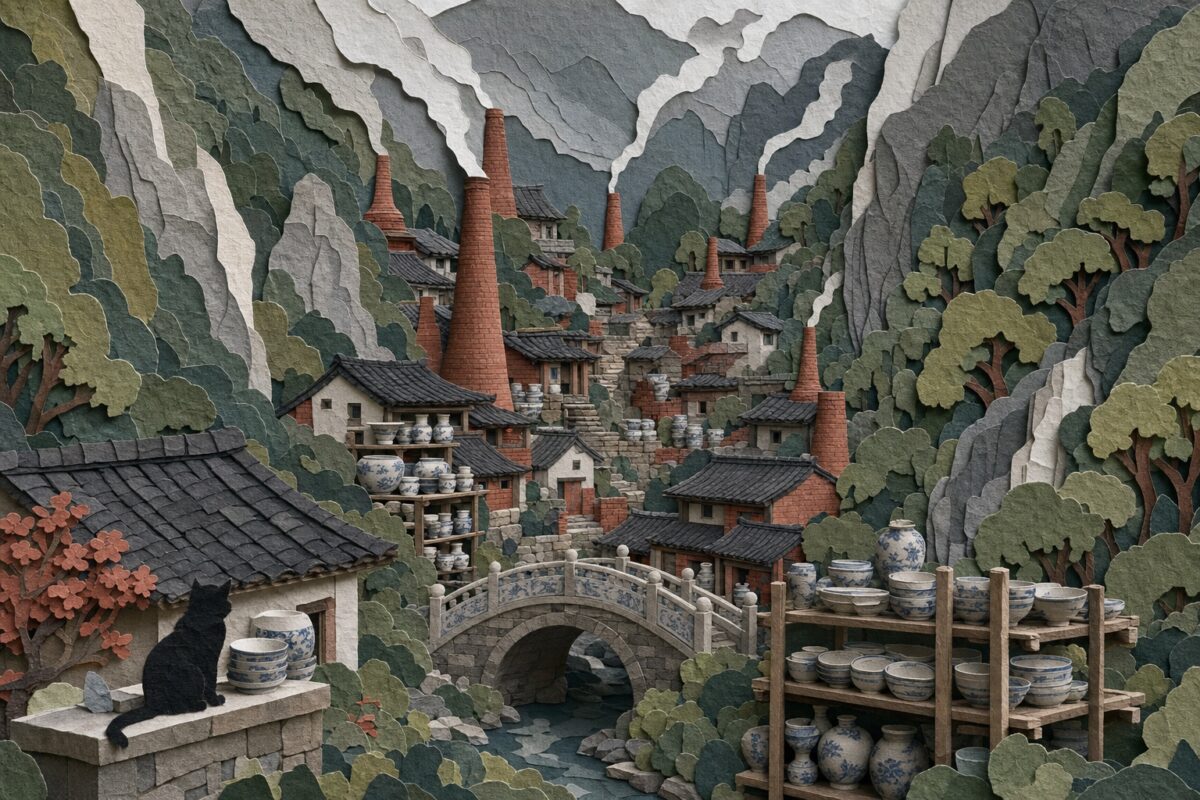
Saga is Japan’s most ignored prefecture, and it’s an injustice. At Okawachiyama, the porcelain village of Imari, kilns and brick chimneys crowd a mountain cirque where the Nabeshima lords once hid their craftsmen, and their trade secrets, from the world. On the Ariake coast, the torii of Ōuo Shrine stand straight in the sea: swallowed at high tide, high and dry at low tide. Check the tide tables; both versions are worth it.
Days 4-5: Nagasaki and the battleship island
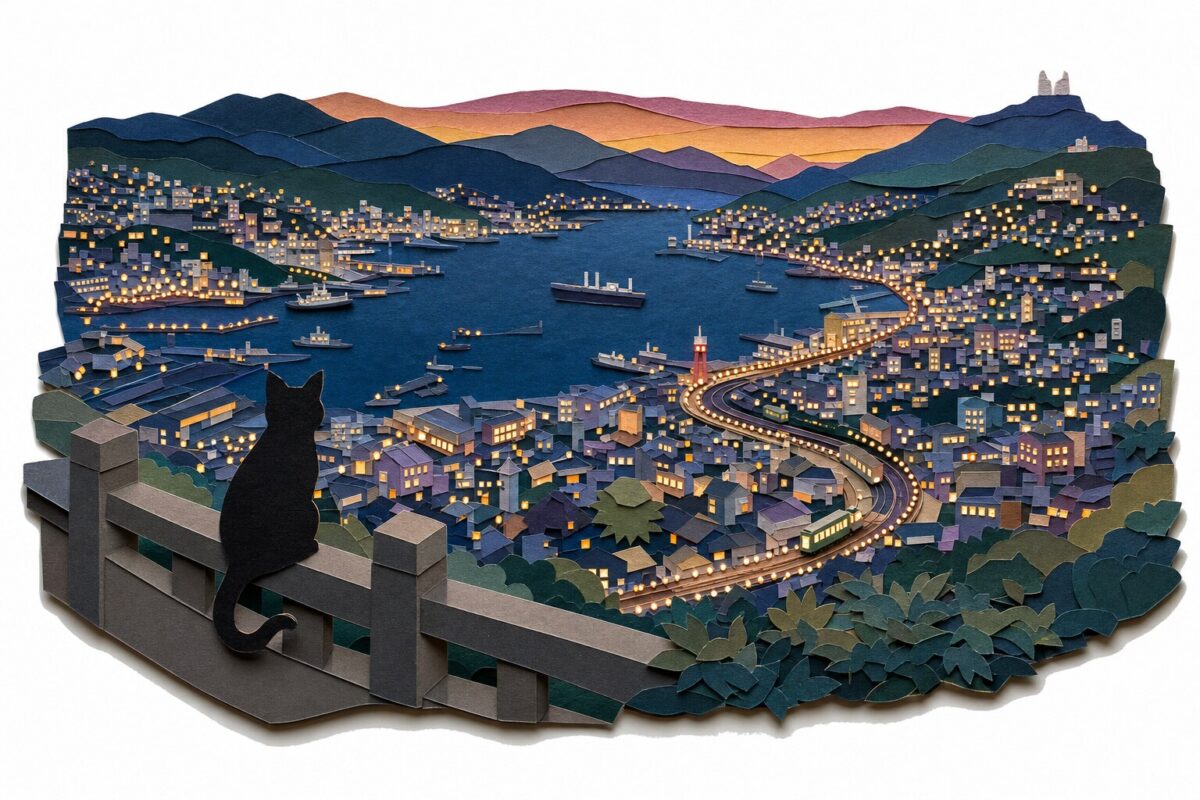
Nagasaki deserves its full day: the amphitheater setting, the churches, the memorial, the rattling trams. But if you read this site, you know the real reason to come: Gunkanjima, the battleship island, Japan’s most spectacular ruin. Cruises leave from the port (book ahead, for instance with Gunkanjima Concierge), and know this: landing depends on the sea, and it’s never guaranteed. I’ve been back several times, and even from the boat, that concrete silhouette on the horizon is worth the trip.
Fans of end-of-the-line atmospheres should push on to Ikeshima, the other coal island, where a few dozen residents still live among empty apartment blocks. Less famous than its big sister, freely accessible, and far stranger.
Day 6: Shimabara and the ferry to Kumamoto
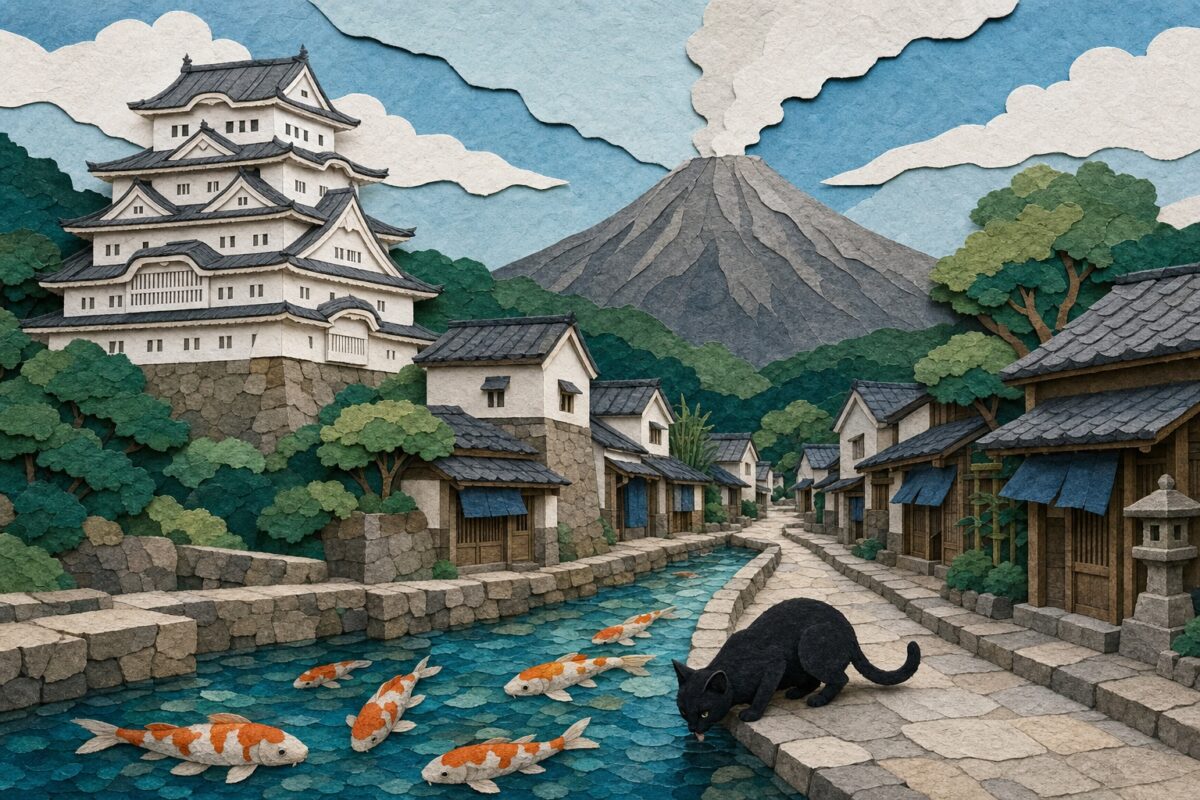
Rather than looping around the bay by train, cross the Shimabara peninsula: its white castle tells the story of the Christian rebellion of 1637, an episode Japan long preferred to keep quiet, and its carp-filled lanes run at the foot of a volcano that flattened part of the town in 1991. Then a short hour of ferry across the Ariake Sea drops you in Kumamoto, seagull escort included.
Days 7-8: Kumamoto, Aso and the lantern shrine
Kumamoto is worth half a day for its great black castle, patiently restored since the 2016 earthquakes. Then rent a car: the Aso caldera, one of the largest on Earth, drives like a country of its own, cropped grasslands, horses, ridgeline roads. This is also the land of Laputa Road, the road suspended in the sky that the earthquakes closed: you now admire it from afar, and its story is in the article.
Southeast of the caldera, Kamishikimi Kumanoimasu Shrine remains one of the most magnetic places I know in Japan: a dead-straight stairway climbing under the cedars, lined with hundreds of moss-eaten stone lanterns. Arrive early, stay long.
Day 8, continued: Takachiho
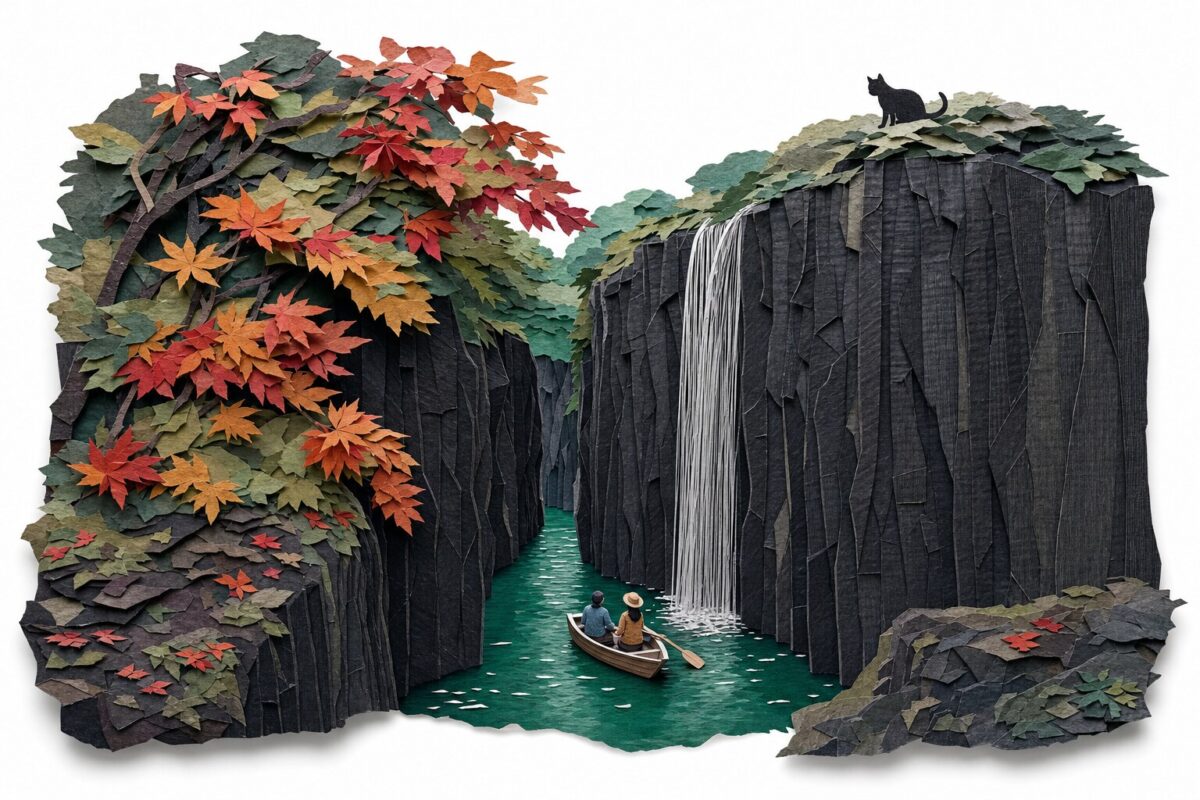
Half an hour away, Takachiho Gorge cuts the basalt into perfect organ pipes, with the Manai waterfall dropping straight into the rowing channel. Yes, it’s touristy; yes, you need to book your boat in high season; and yes, it’s still worth it, especially at opening time. In the evening, the village performs excerpts of kagura at the shrine: the sun goddess comes out of her cave every night at 8pm, and it’s surprisingly moving.
Days 9-10: Beppu and Yufuin, the island that steams
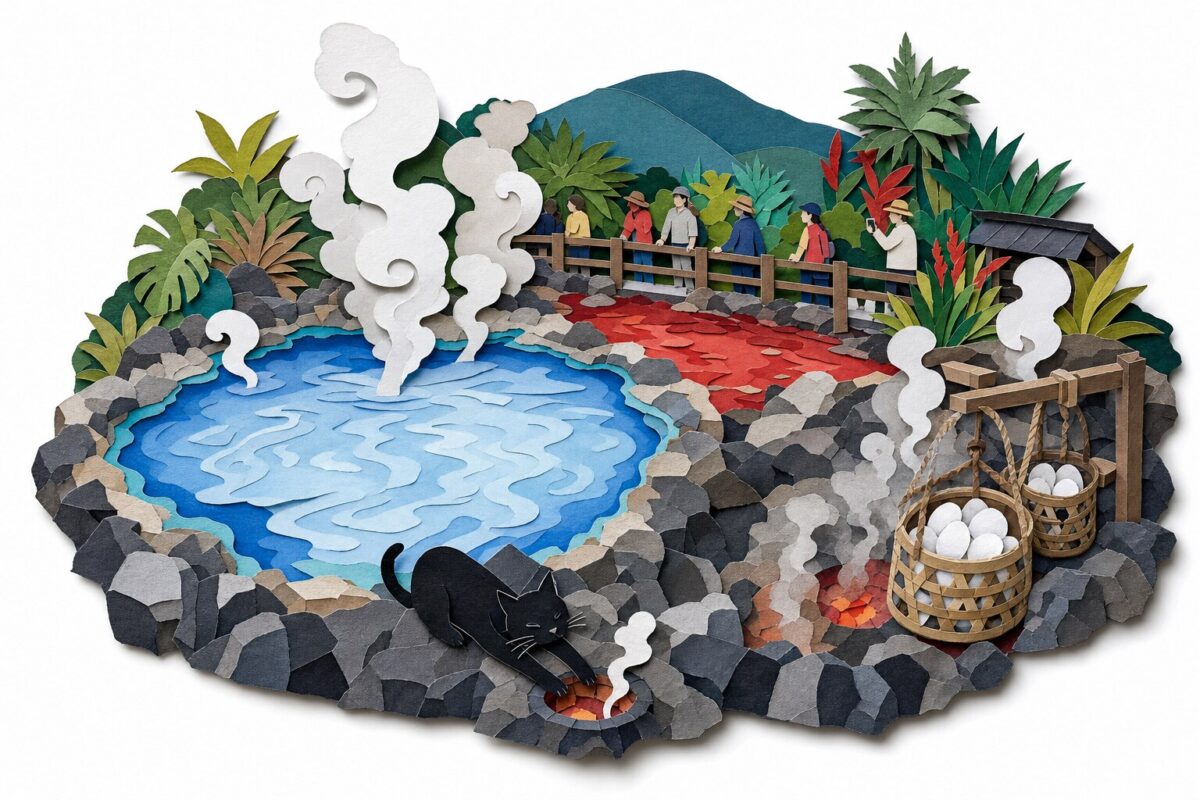
Beppu is the world capital of steam: it rises from the gutters, the gardens, the parking lots. The Kannawa district visits like an open-air thermal village, between the blood-red and lagoon-blue “hells” and the sand baths where they bury you up to the neck. Twenty minutes away, Yufuin plays the opposite card: an elegant onsen village at the foot of Mount Yufu, perfect for a ryokan night with a rotenburo. In spring, a detour to the nemophila carpet of Yabakei adds an improbable blue to the picture.
Days 11-12: Kagoshima and the volcano across the bay
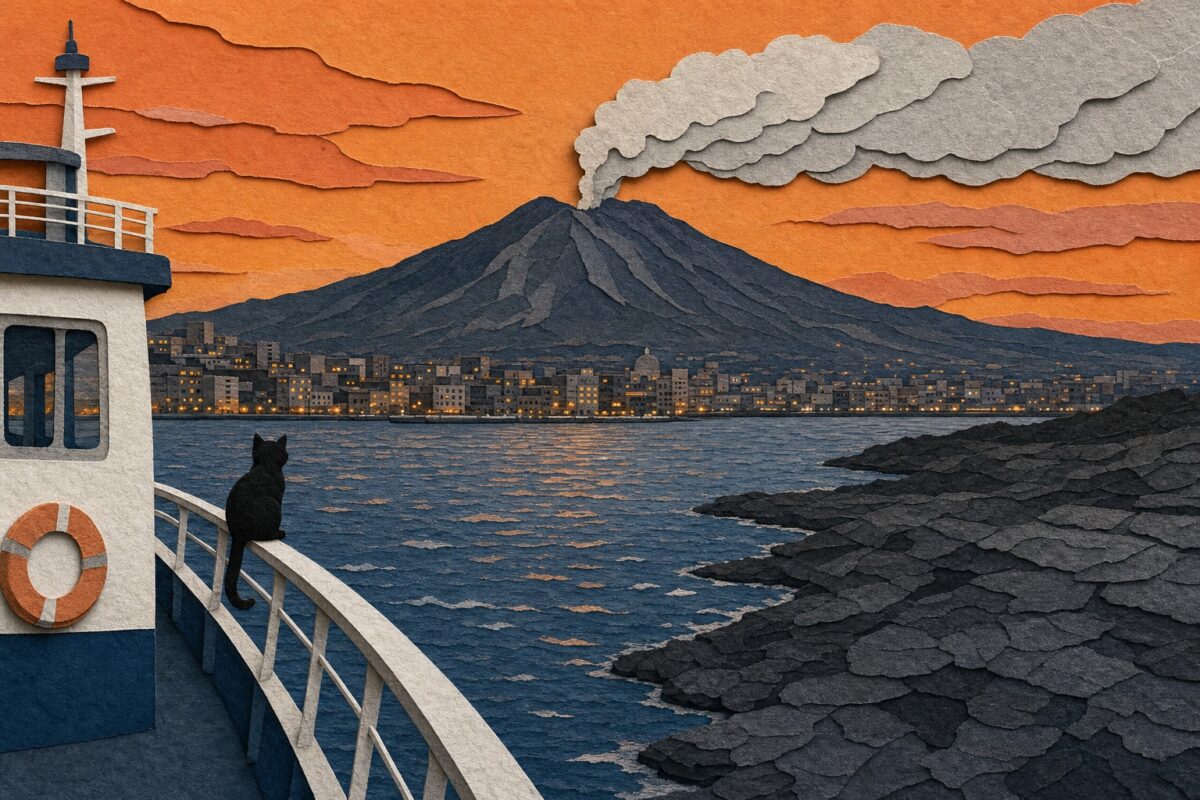
Kagoshima lives with an active volcano across its bay the way other cities live with a marina. The ferry crosses in fifteen minutes, day and night, and drops you at the foot of Sakurajima: climb to the Yunohira observatory, walk the lava flows, watch for the plume. Back in town, try Satsuma black pork and shirokuma, the local mountain of shaved ice. This is Japan’s end of the world, and it feels like it.
Days 13-14: the Yakushima option
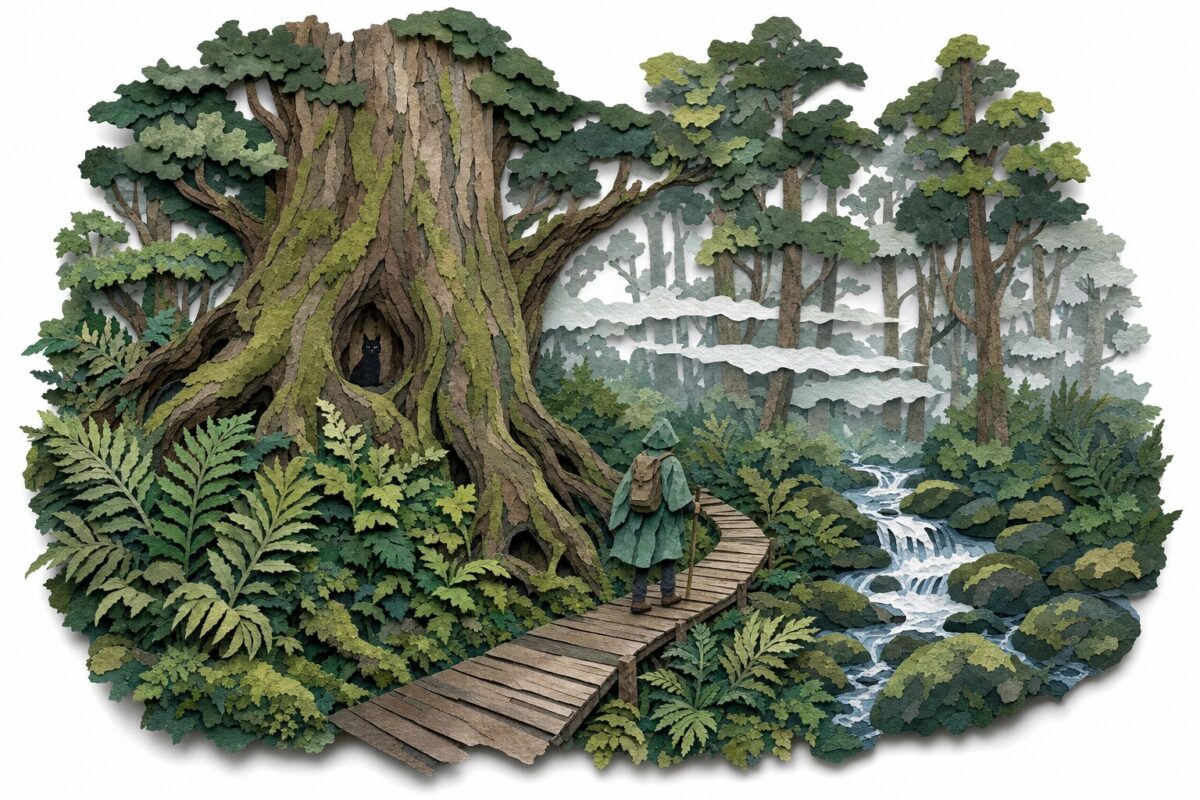
Two to three hours of jetfoil from Kagoshima and you change worlds: Yakushima, its thousand-year cedars, its knee-deep moss, its legendary rain (locals say it rains “35 days a month”). The Shiratani Unsuikyō forest, which inspired Princess Mononoke, walks in a day. If you have the two days, take them: it’s the best possible epilogue to this loop.
Transport and budget
The nationwide JR Pass almost never pays off on this route: Kyushu has its own JR Kyushu Rail Pass in 3, 5 and 7-day versions, far cheaper. Before buying anything, run your legs through our JR Pass calculator: it compares the pass against single tickets in thirty seconds. For the rest of the budget, the benchmarks are in How Much Does a Trip to Japan Cost, and Kyushu consistently comes in under Tokyo or Kyoto prices: roughly 15 to 20% less on lodging and restaurants.
When to do this itinerary
Kyushu follows the national calendar with a degree or two extra: see When to Visit Japan for the overview. My favorite windows here: the second half of May (blazing greens, flooded rice paddies), October-November (dry air, low light), and February for plum blossoms ahead of the rest of the country. Avoid early May (Golden Week) and mid-August (Obon), and keep some slack in September, at the peak of typhoon season. The national tourism office also keeps a decent Kyushu page for basic practical info.
Where to next
If this is your first trip to Japan and the classic line tempts you more, my 10-day itinerary covers Tokyo to Kyoto. And for another island-hopping loop, my 10 days on the Seto Inland Sea start where this one ends.
 Ikuzo
Ikuzo