Kanazawa is nicknamed “the little Kyoto,” which is both flattering and slightly reductive. Yes, there’s a geisha district, temples, a sublime garden, and craftsmen who still master the art of gold leaf. But Kanazawa has something Kyoto has lost: calm. You can wander down empty alleys, sit in a garden without hearing another tourist, take your time.
Located on the Sea of Japan coast, 2.5 hours from Tokyo by Shinkansen since the line opened in 2015, the city deserves two or three nights in any Japan trip. Here’s how I’d plan it.
Kenroku-en, one of Japan’s three most beautiful gardens
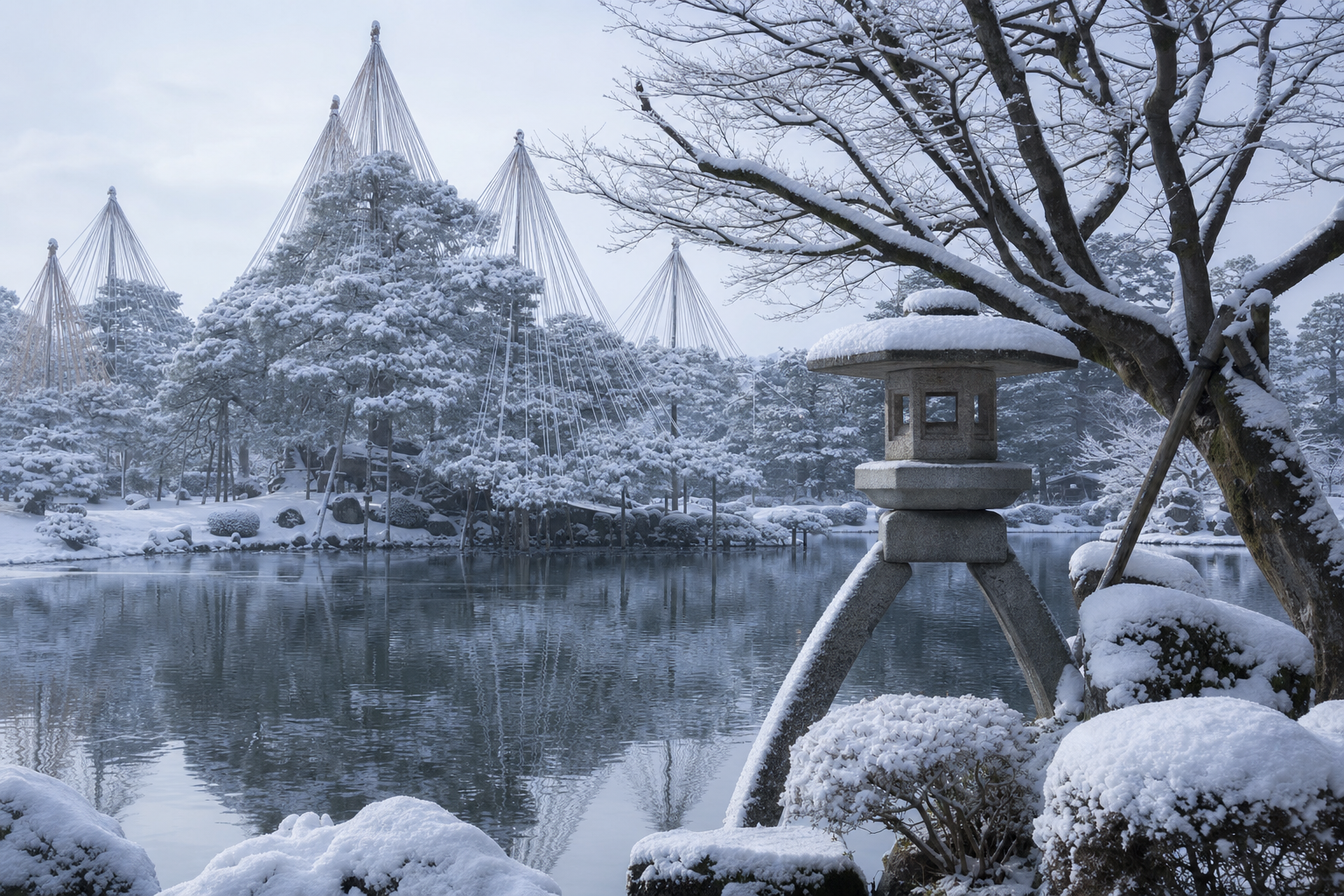
Kenroku-en is officially classified among the “three great gardens of Japan” alongside Korakuen (Okayama) and Kairakuen (Mito). It’s the most beautiful of the three, in my view. 11 hectares, more than 8,000 trees, ponds, waterfalls, and an iconic stone lantern.
My advice: arrive before 8 AM, at opening. The garden is quiet, sometimes wrapped in early morning mist, and the light is better for photos. By noon, it fills with groups. In winter, it takes on an unreal dimension when the pines are protected by yukitsuri, those conical rope structures meant to keep snow from crushing the branches.
Entry ¥320, open every day.
Higashi Chaya, the geisha district
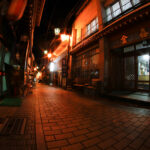
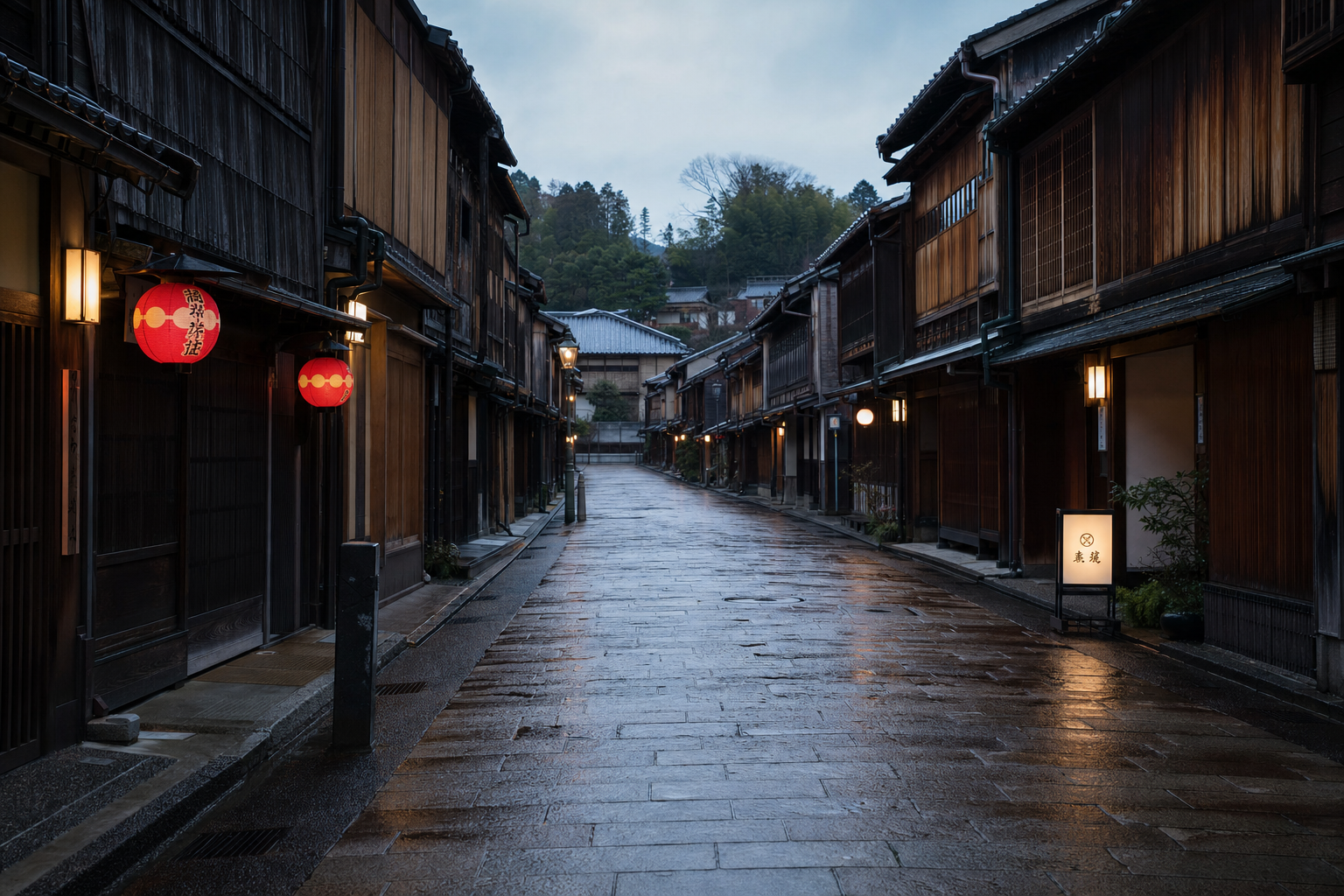
Kanazawa has three geisha districts (chaya), of which the best known is Higashi Chaya, in the east. A main street and several alleys lined with the typical black wooden houses, some converted into cafés, workshops, or small museums.
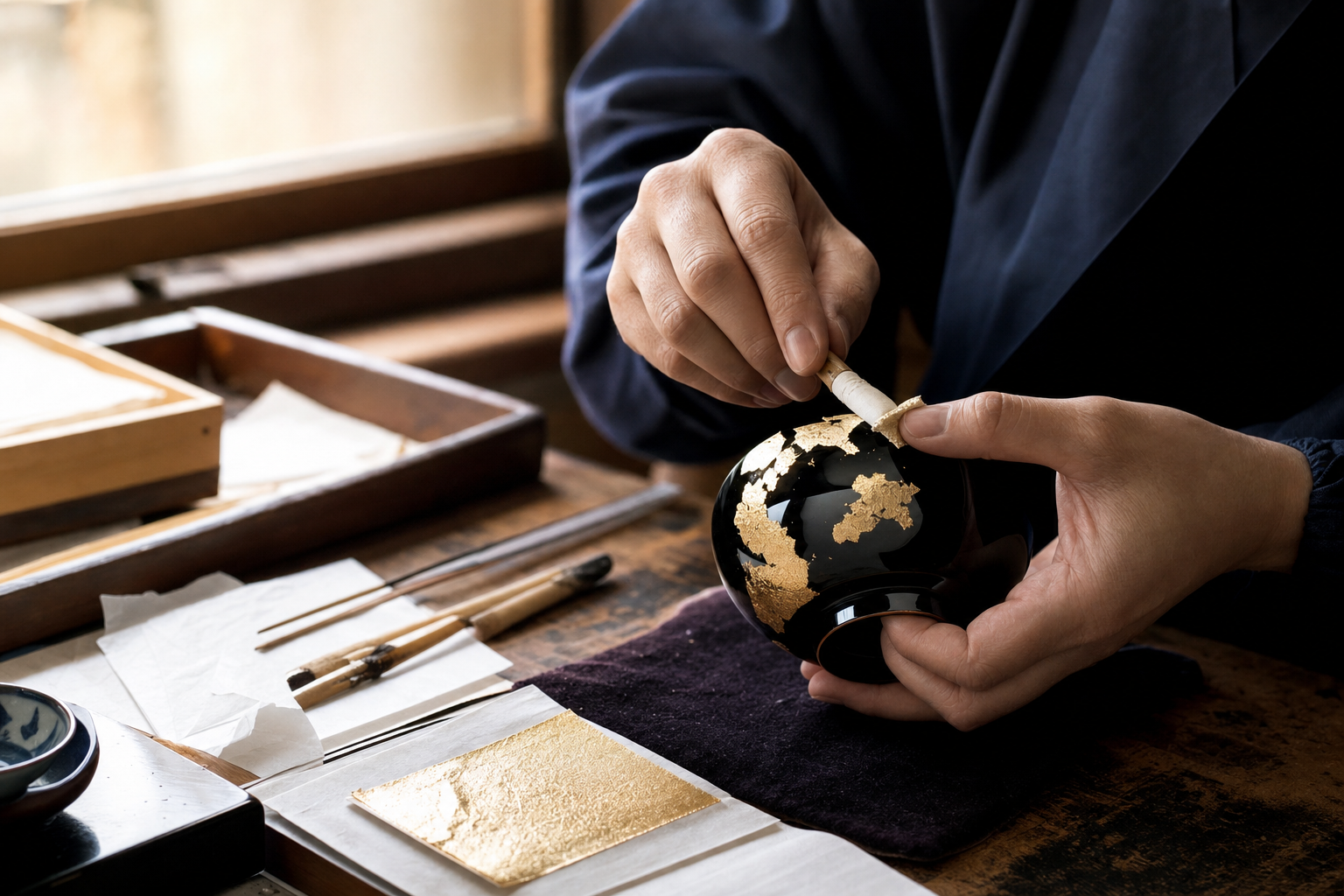
Shima, a former geisha house preserved intact, is open to visit. Small but beautiful. Hakuza, right next door, is a gold leaf workshop offering tours and ice cream covered in edible gold (yes, touristy, but the gesture is worth the photo).
If you want to see geishas at work, it’s trickier. A few public performances are organized, and some very high-end restaurants offer dinners with geishas (from ¥50,000 per person). Ask your concierge.
Nagamachi, the samurai quarter
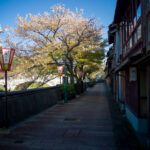
The old samurai district sits in the center, 10 minutes’ walk from Kenroku-en. Brown earthen walls that still smell faintly of damp, quiet canals where you can hear the soft lap of water, old residences. The Nomura-ke is the best-preserved, open to visitors, with a small perfect garden.
It’s the corner of Kanazawa that moves me most. Hardly visited on weekdays, it has kept a real atmosphere.
Omicho Market
Kanazawa’s central market, “Omicho,” is a covered hall with over 170 stalls. Being on the Sea of Japan, the city receives extraordinary seafood: Kanazawa snow crab in winter (the absolute specialty), sea urchin, sashimi of fish almost never found in Tokyo.
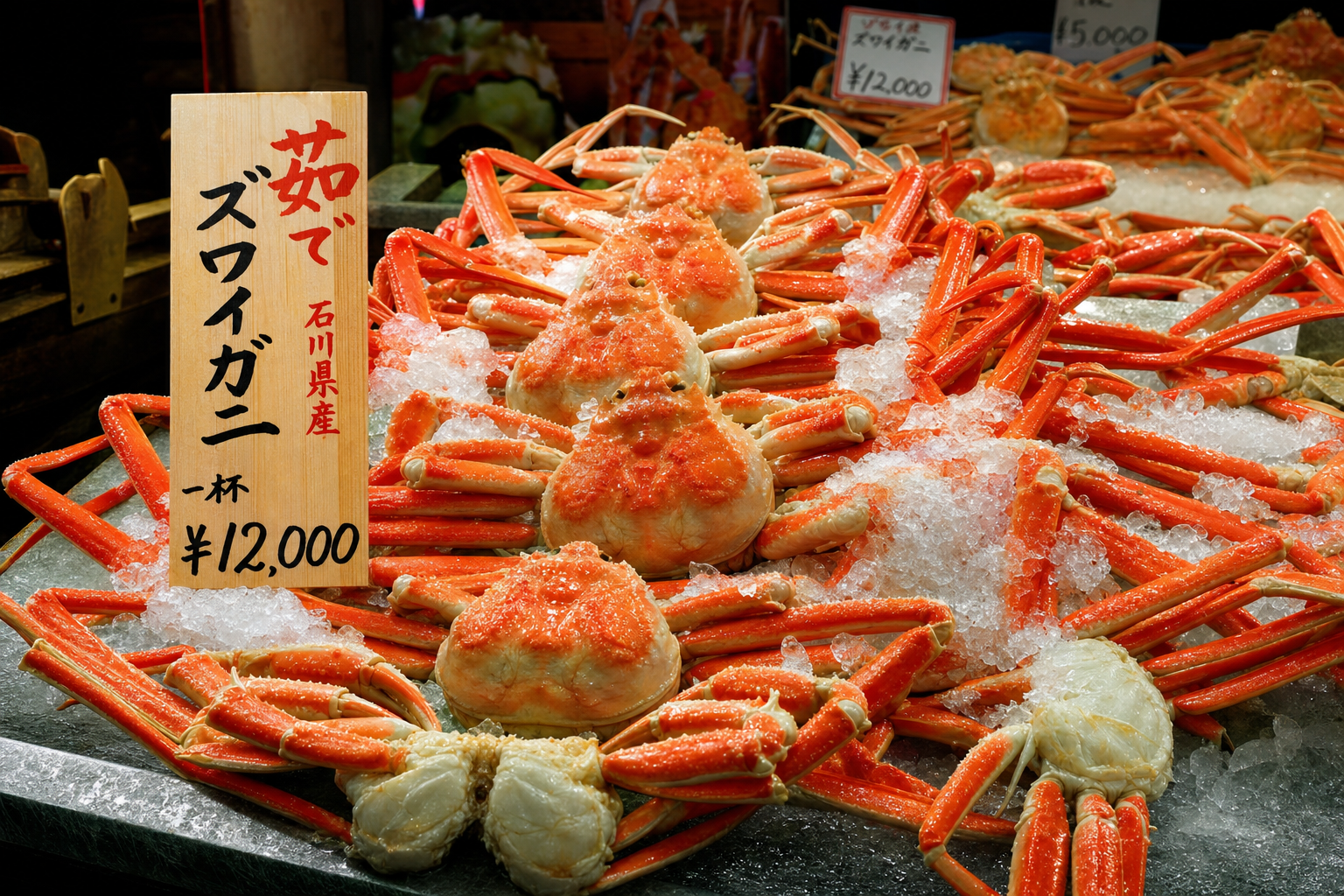
Best move: have lunch on the spot, in one of the upstairs restaurants. Budget ¥2,500 to ¥4,000 for a kaisendon (sashimi bowl). Whole snow crab runs from ¥8,000 to ¥30,000 depending on size; some places prepare it on site.
The 21st Century Museum of Contemporary Art
Surprisingly, Kanazawa is home to one of Japan’s best contemporary art museums. The most famous piece is Leandro Erlich’s “Swimming Pool,” where you appear to see people walking at the bottom of a pool. It’s become Instagrammable, but the museum is far more than that: circular SANAA architecture, often excellent exhibitions.
Online reservation is required for the “Swimming Pool” on weekends.
How many days, and where to stay
Two to three nights is ideal. One day for Kenroku-en + Higashi Chaya + Nagamachi, one day for the market + the contemporary art museum + Nishi Chaya (the third, more discreet geisha district), and an optional day for an excursion to Wajima on the Noto peninsula, or into the Alps.
For sleeping, two main options:
- Modern hotels near the station. Practical, functional
- Ryokan in the city (from ¥25,000 per person half-board), more immersive
My favorites: Sumiyoshiya Ryokan (dating from 1830, excellent kaiseki), or for the contemporary, the Hyatt Centric Kanazawa 5 minutes from the station.
How to get there
From Tokyo: Hokuriku Shinkansen, 2.5 hours, about ¥14,000 one-way in ordinary class. Covered by the JR Pass.
From Kyoto or Osaka: 2h15 on the Limited Express Thunderbird (no direct Shinkansen), about ¥7,000.
To combine with other towns: Kanazawa pairs naturally with Takayama (3h by bus across the Alps) or Shirakawa-go (1h15 by bus, the UNESCO village of traditional houses).
To plan the rest of your trip, see also my What to Do in Kyoto guide and the best ryokan in Japan.