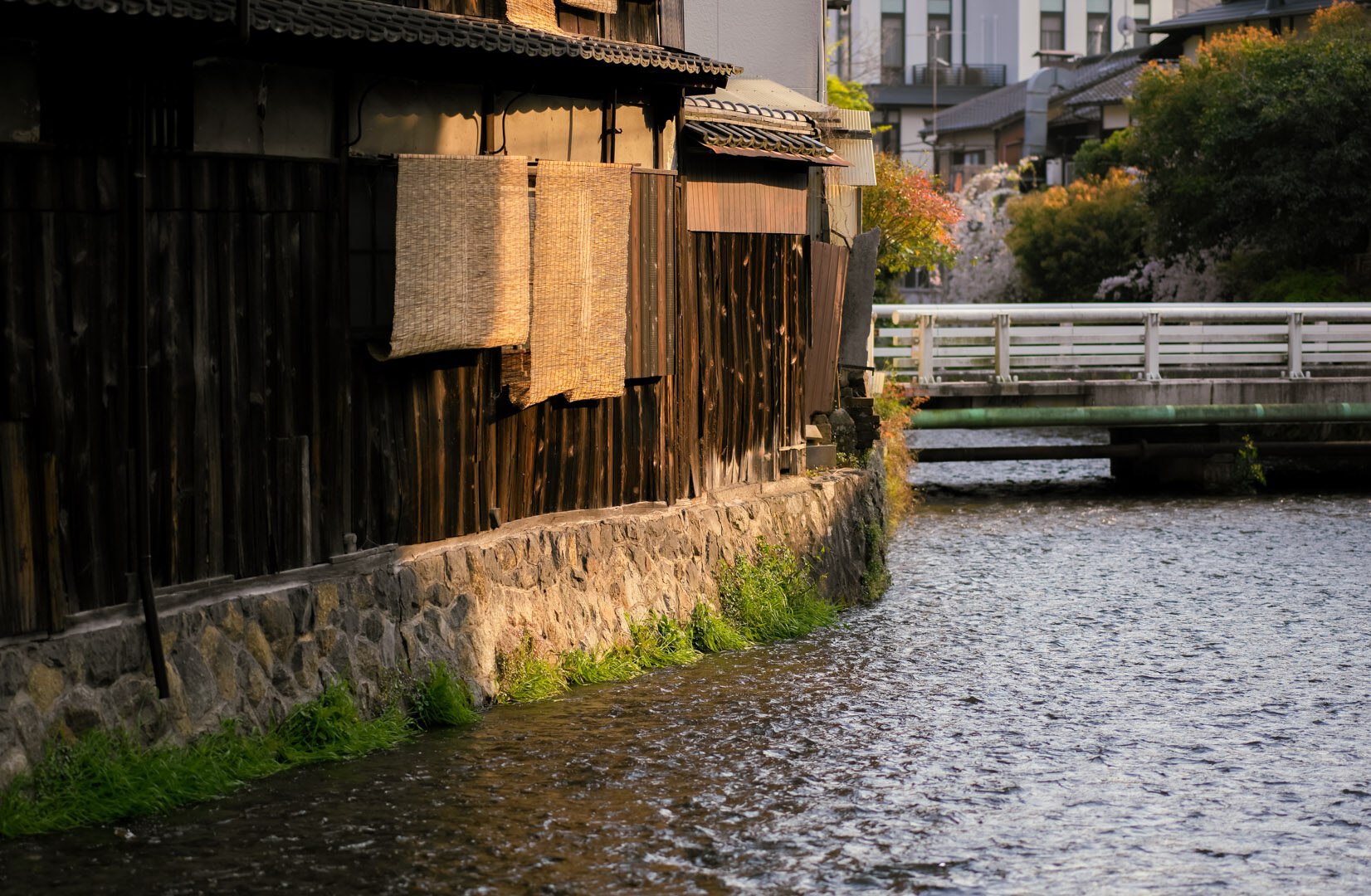
Kyoto is not a city where you pick your hotel at random. The neighborhood you sleep in radically changes the experience—between waking up in a cobblestone alley in Gion and stepping out of a modern lobby near the station, it’s not the same trip.
The city is more spread out than you’d think. Sites are scattered in all directions, and public transport (especially buses) can be slow during rush hour. Your base determines what you’ll see easily and what will take more effort.
Downtown: the practical choice
The area around Shijo, Karasuma, and Kawaramachi is Kyoto’s commercial heart. This is where restaurants, shops, and Nishiki Market are concentrated. It’s also the best compromise between accessibility and neighborhood life.
Cross Hotel Kyoto (9.2/10 on Booking.com, ~2,700 reviews) is one of the best addresses downtown—excellent value, comfortable rooms, and an ideal location steps from Pontocho. Ace Hotel Kyoto (9.2/10) appeals with its design, integrated café, and atmosphere—but expect noise in the lobby. For a tighter budget, Anshin-Oyado Premiere near Shijo-Karasuma is a capsule hotel that feels more like a spa than a dorm.
Best for: first trips, restaurant lovers, those who want to do everything easily.
Higashiyama and Gion: postcard Kyoto
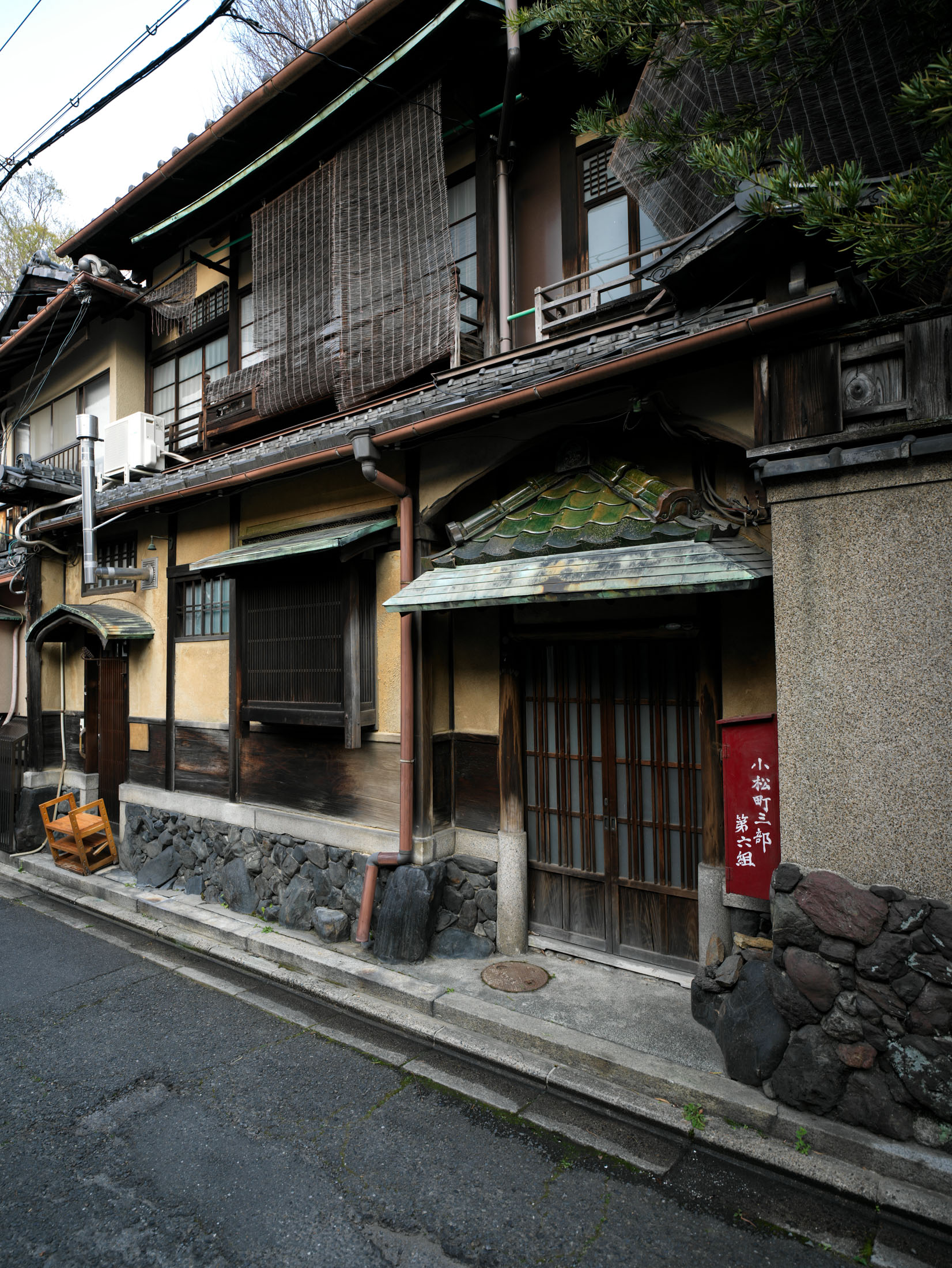
This is the city’s most atmospheric neighborhood. Cobblestone alleys, wooden houses, red lanterns, and temples on every corner. Waking up here means having Kyoto to yourself before the crowds arrive.
Ishibekoji Muan (9.7/10 on Booking.com) is an exceptional address—a refined inn tucked into a historic alley, with impeccable service and rare intimacy. It’s expensive, but for a special stay, it’s hard to beat. Park Hyatt Kyoto (9.5/10) offers more classic luxury with views of the hills and a perfect location between Kodaiji and Kiyomizudera. For an ultra-exclusive stay, The Shinmonzen (5/5 on TripAdvisor) is a 9-suite boutique hotel designed by Tadao Ando, on the edge of Shirakawa canal.
Best for: couples, atmosphere seekers, early risers who want temples without the crowds.
Near Kyoto Station: the strategic base
Not the most charming neighborhood, but the most efficient. If you’re planning day trips to Nara, Osaka, or Hiroshima by Shinkansen, staying near the station saves you time every day.
Ryokan Shimizu (9.5/10) offers a genuine traditional experience at a reasonable price—private baths, calligraphy classes, and a warm welcome. IZUYASU (9.4/10) is in the same vein: authentic, attentive, and well-located. For both, expect firm futons and more Japanese than Western comfort—that’s part of the experience.
Best for: travelers on the move, first and last days of a trip, those doing lots of day trips.
Around the Imperial Palace: quiet luxury
This neighborhood is less frequented by tourists, more residential, yet well-located. This is where some of the city’s best high-end hotels are found.
Hotel The Mitsui Kyoto (9.5/10) is a benchmark—spa with thermal baths, refined design, and an “oasis” atmosphere right across from Nijo Castle. Ritz-Carlton Kyoto (9.0/10) sits on the banks of the Kamo River, with pool, spa, and all the comfort you expect from the brand. Four Seasons Kyoto (9.4/10), slightly off toward Higashiyama, stands out for its heritage garden and wellness facilities.
Best for: luxury stays, travelers who want calm without being far, spa lovers.
Arashiyama: for slowing down
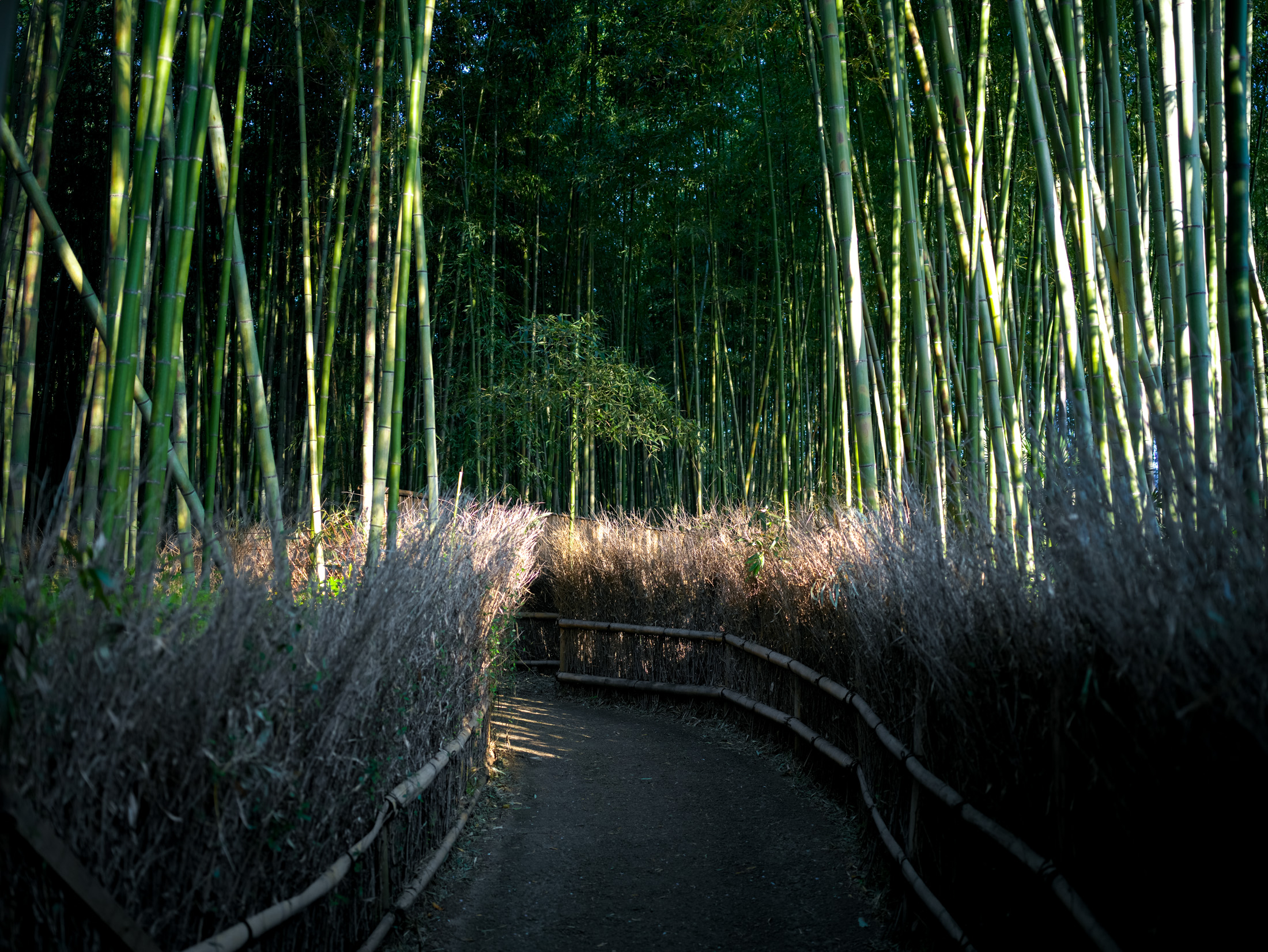
If you prefer nature to neon, Arashiyama is a magnificent base—bamboo groves, river, temples in the mountains. The pace is slower here, and that’s exactly the point.
Be warned: the neighborhood is quiet at night, restaurants close early, and you’ll be far from the center for spontaneous dinners. It’s an excellent choice for one or two nights during a longer stay, rather than as your only base.
The ryokan experience
In Kyoto more than anywhere else, the ryokan is part of the journey. Sleeping on a futon, bathing in an onsen, dining on kaiseki served in your room—it’s an experience unto itself.
A few things to know before booking. Futons are firm—this is normal and intentional, but if you have back problems, inquire first. Bathing is often communal (separated by gender); some ryokan offer private baths, check beforehand. Meals have fixed times—you’ll be asked to choose a dinner time in advance. And tattoo policies vary: most ryokan accept them in private rooms, but check for communal baths.
Tawaraya is Kyoto’s most famous ryokan—and probably Japan’s. The experience is extraordinary, but so is the price (expect ¥80,000 to ¥150,000 per person with dinner, or $550 to $1,000). Some find the reputation justifies everything; others feel it’s overrated for the price. Your call.
For a first ryokan without breaking the bank, Nishiyama Ryokan (9.5/10) in the center offers an excellent compromise—family atmosphere, tea ceremonies, and attentive staff.
Budget and practical tips
Accommodation tax. Since March 2026, Kyoto applies a revised accommodation tax per person per night, with higher tiers for luxury stays: up to ¥10,000 (~$70) per night for rooms over ¥100,000. Factor it into your budget, especially for high-end ryokan.
Book early. The best ryokan and Gion boutique hotels fill up months ahead, especially in peak season (cherry blossoms late March–mid-April, maples in November). For major hotels, prices vary widely—compare on Booking.com and Japanese platforms like Rakuten Travel or Ikyu.
Luggage. Many ryokan and Higashiyama hotels are in narrow alleys, sometimes on slopes. Send your bags via takkyubin (luggage delivery) from the station or your previous hotel—it’s reliable, cheap (~¥2,000, about $14), and saves you dragging a suitcase over cobblestones.