Tokyo can be intimidating. The city is massive, neighborhoods follow one another without resembling each other, and you never quite know where to start. After years of exploring it, I can tell you one thing: there’s no wrong itinerary. But there are smarter ones.
This guide is designed for a first trip, but also for those coming back who want to get off the beaten path. We start with the classics—because they deserve it—then dig a little deeper.
The must-sees
Senso-ji in Asakusa is Tokyo’s oldest temple and probably its most photogenic. Go early in the morning to avoid the crowds, and take the opportunity to explore the small streets around Nakamise-dori—that’s where you’ll find the best freshly grilled senbei.
The Shibuya Crossing is a must, if only for the experience. The best view is from Shibuya Sky—book online, it’s often sold out. Right next door, the Harajuku district mixes streetwear fashion, crêperies, and the Meiji Jingu shrine, a forest in the middle of the city where the silence will surprise you.
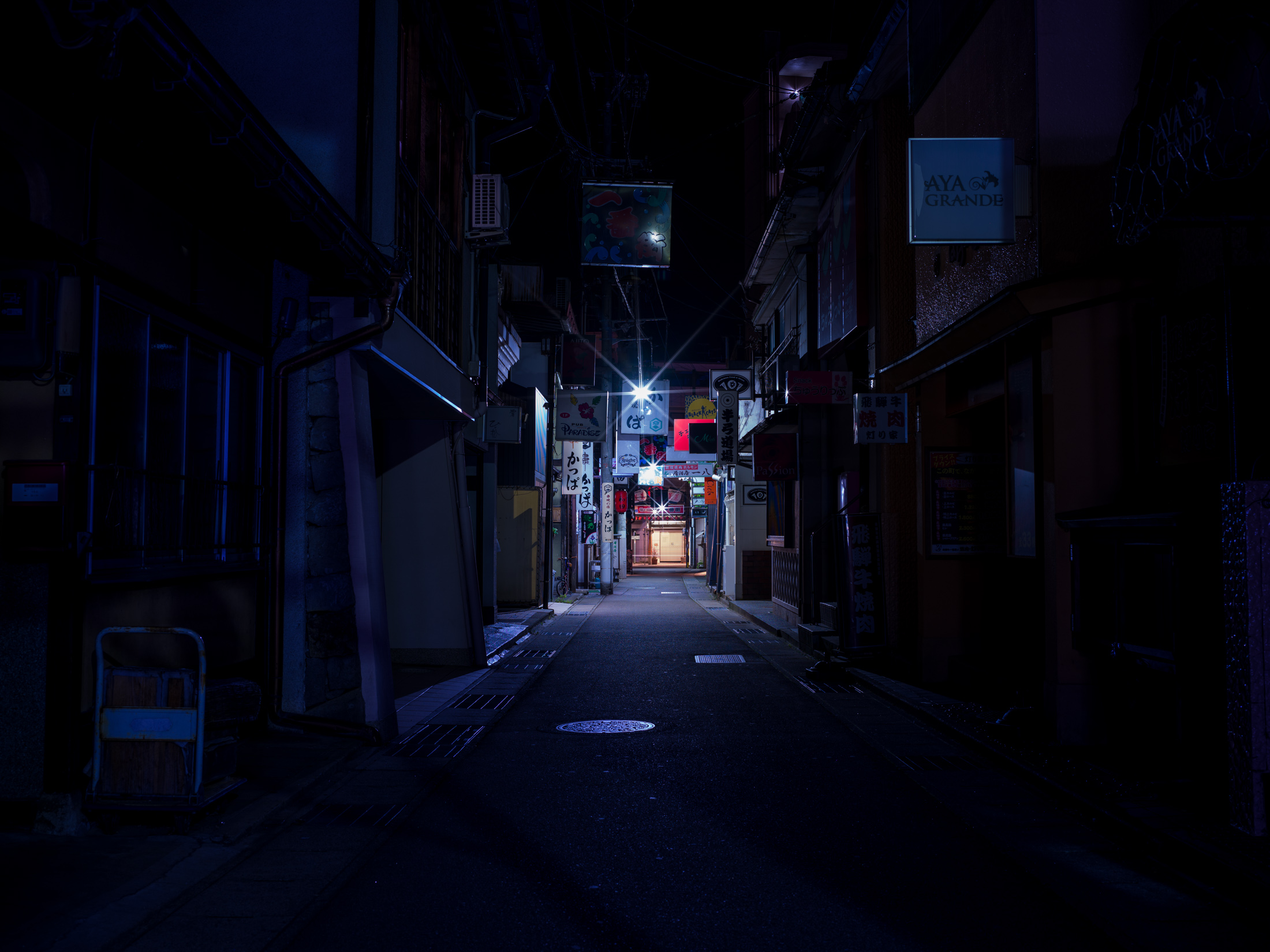
Shinjuku is Tokyo’s beating heart. On the west side, skyscrapers and the free observation deck at the Tokyo Metropolitan Government Building offer panoramic views. On the east side, it’s the organized chaos of Kabukicho, the neon lights, the izakayas, and an energy you won’t find anywhere else.
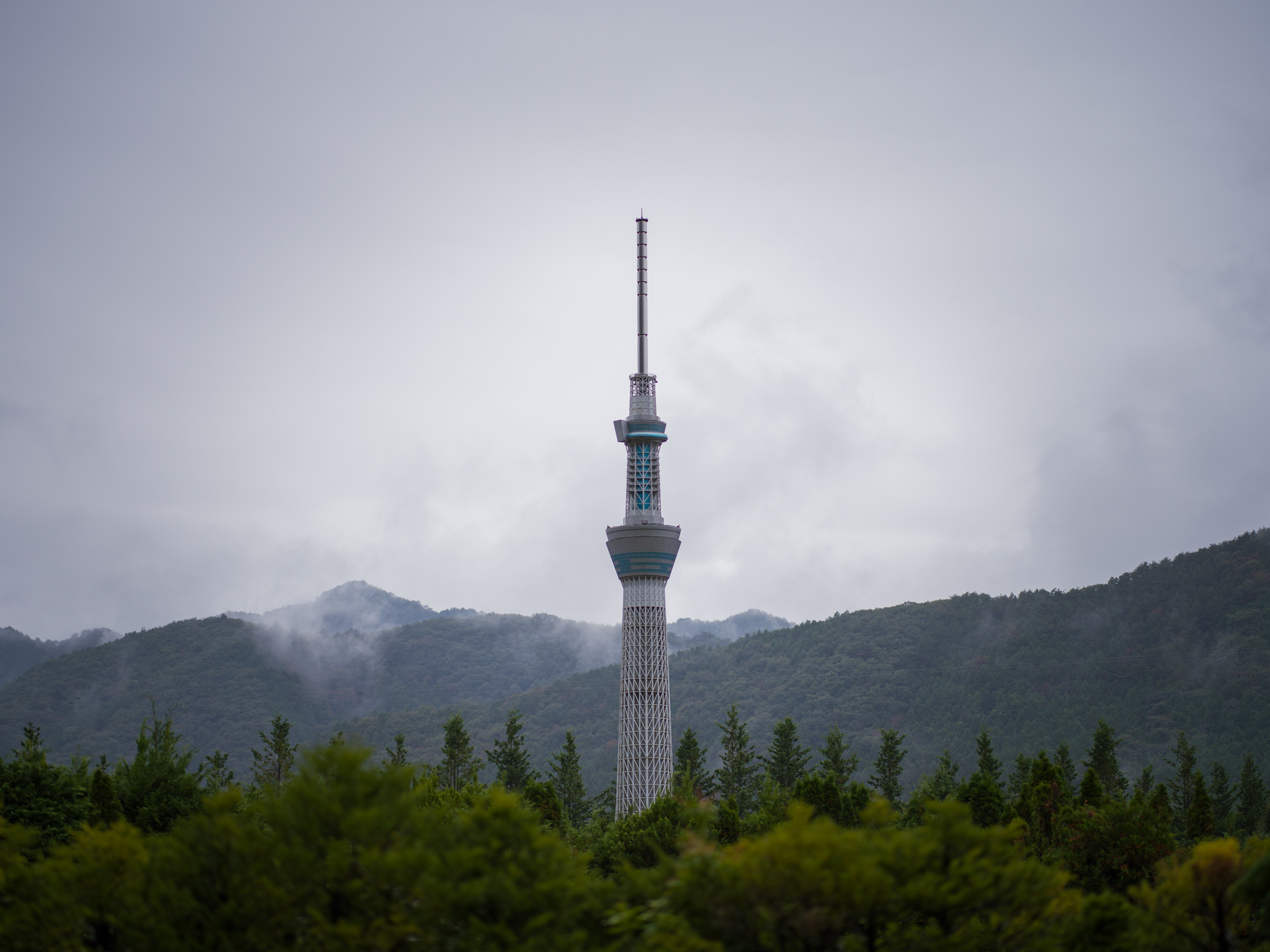
Akihabara remains fascinating even if you’re not a manga fan. The electronics shops, retro arcades, and general atmosphere are worth the detour. And if you’re looking for a city viewpoint, Tokyo Skytree offers a 360° panorama—impressive on a clear day.
Neighborhoods to explore
This is where Tokyo gets really interesting. Away from the crowds, these neighborhoods show a more authentic face of the city.
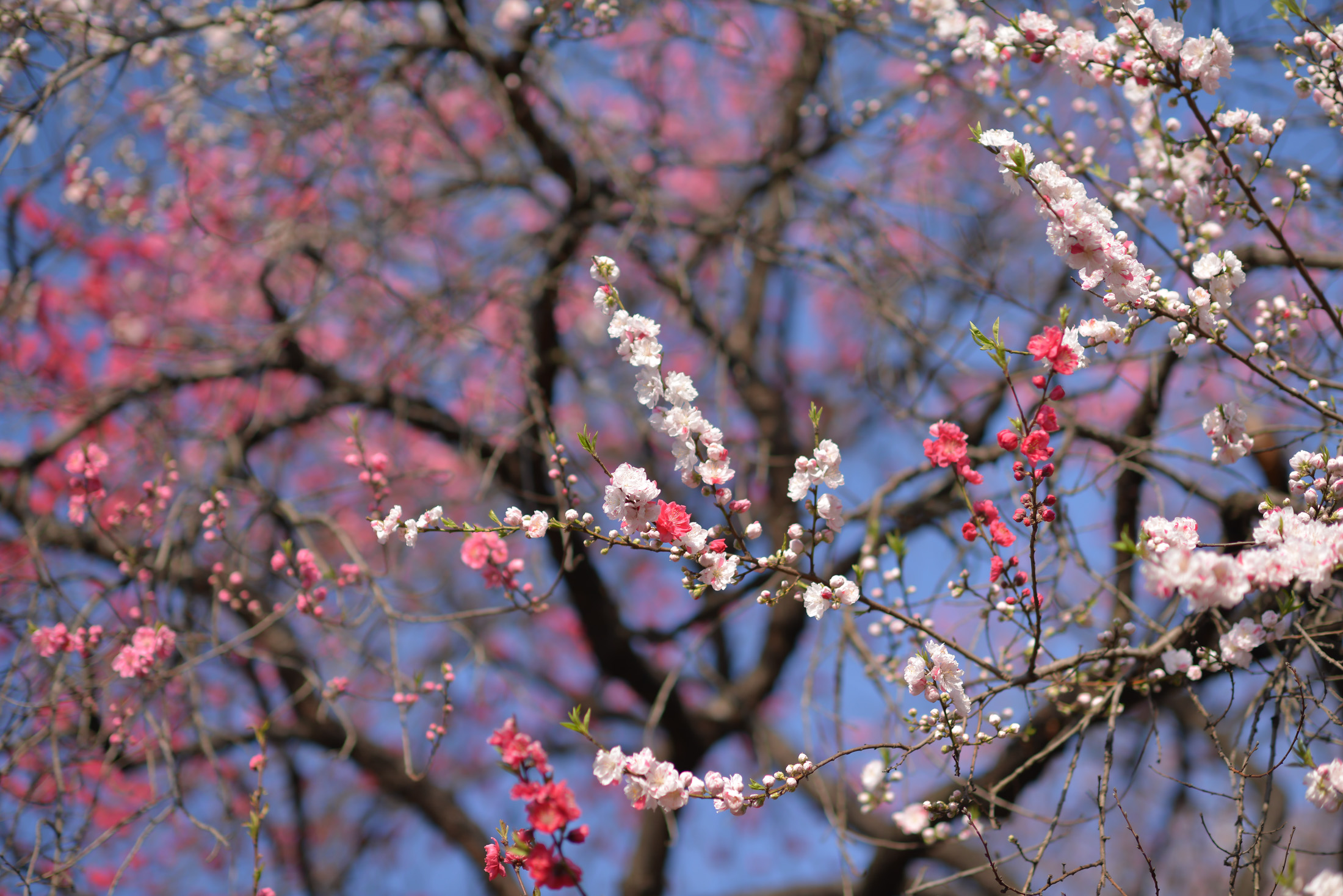
Yanaka and Nezu form a world apart: narrow lanes, discreet temples, stray cats, and artisan shops. Yanaka Cemetery is particularly beautiful in spring under the cherry blossoms. It’s one of the rare corners of Tokyo that survived the bombings and modernization—you can still feel the atmosphere of old Tokyo here.
Shimokitazawa is the bohemian neighborhood par excellence. Thrift stores, independent cafés, small concert venues, and a laid-back atmosphere that contrasts with the rest of the city. It’s also one of the best places to dine without breaking the bank.
Koenji is in the same vein, but rawer. It’s Tokyo’s punk and alternative quarter, with tiny bars, vinyl record shops, and an underground music scene that’s still very much alive.
Kiyosumi-Shirakawa and Kuramae are the emerging neighborhoods of the moment. Artisan coffee roasters, contemporary art galleries, and converted warehouses—a calmer, more creative Tokyo in full transformation.

Parks and gardens
Tokyo is much greener than you’d think. The Japanese gardens here are among the most beautiful in the country, and they offer a welcome break between neighborhoods.
Shinjuku Gyoen is the largest and most varied: a Japanese garden, English garden, and French garden coexist over 58 hectares. It’s one of Tokyo’s best cherry blossom spots, and admission is just ¥500 (~$3.50). Note: alcohol is prohibited.
Koishikawa Korakuen, right next to Tokyo Dome, is one of the oldest gardens in the city. It’s magnificent in autumn with its red maples, and much less crowded than Shinjuku Gyoen.
Rikugien is my favorite. It’s a strolling garden from the Edo period, with a central pond, artificial hills, and a contemplative atmosphere. In autumn, it’s illuminated at night—a rare spectacle.
For a more relaxed walk, Ueno Park combines a large lake, several museums (including the formidable Tokyo National Museum), and Japan’s oldest zoo.
Eating in Tokyo
Tokyo has more restaurants than any other city in the world. And contrary to what you might think, you can eat remarkably well here for cheap.
The Tsukiji Outer Market remains essential for fresh seafood. The fish market moved to Toyosu, but the Tsukiji stalls are still there—and that’s where locals continue to go. Arrive before 9am to avoid the rush.
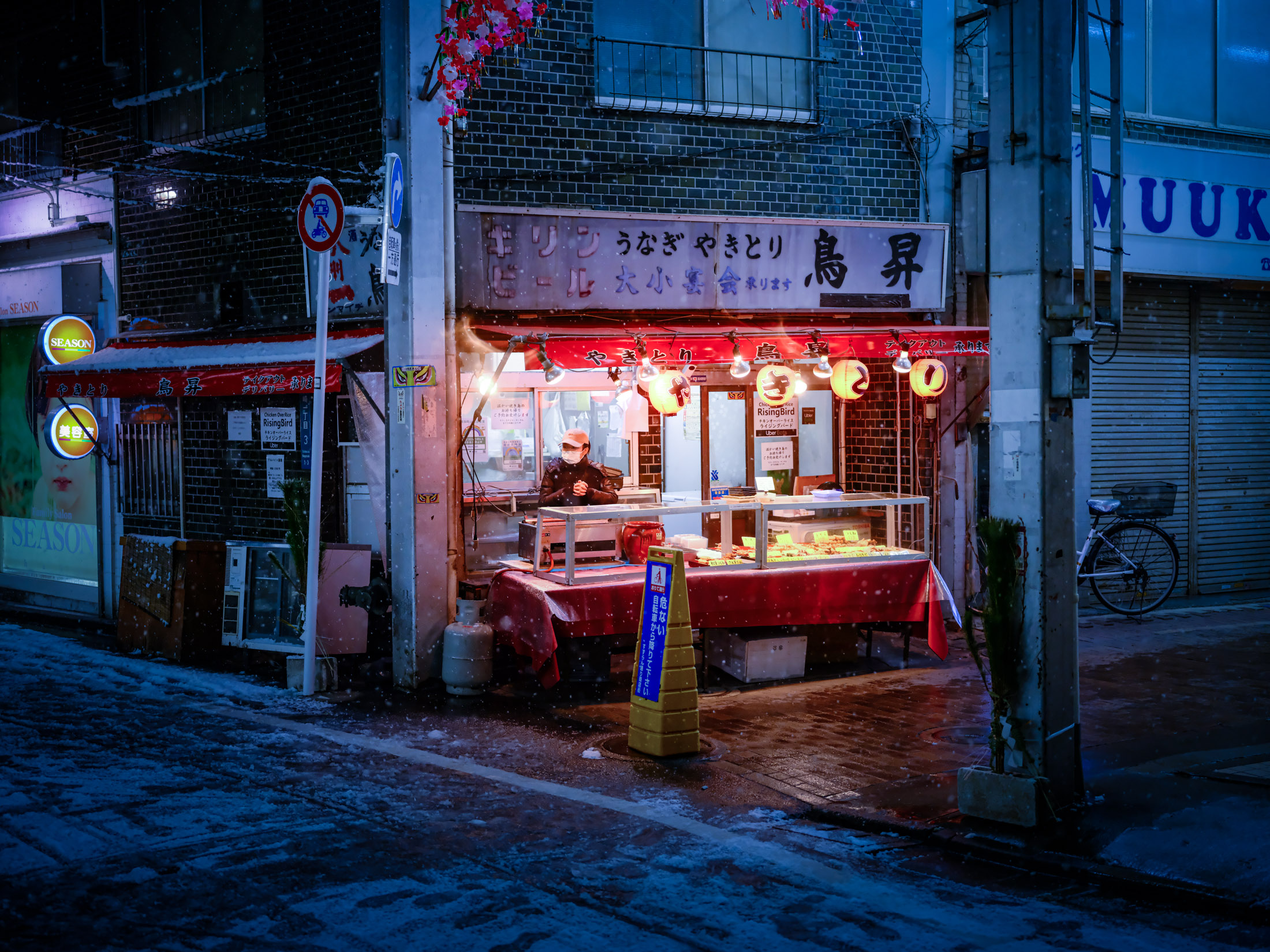
Yokocho (restaurant alleys) are Tokyo’s culinary soul. Every neighborhood has its own: under the Yurakucho tracks for smoky yakitori, in Ebisu for a more relaxed vibe, in Kichijoji for a casual dinner. You sit at the counter, order a beer, and watch the chef work.
Don’t underestimate konbini (convenience stores). Onigiri from 7-Eleven or Lawson are fresh, good, and cost between ¥120 and ¥200 (~$0.80 to $1.40). The egg sandwiches (tamago sando) have become cult favorites for good reason.
If you love cooking, take a stroll down Kappabashi-dori, the kitchen supply street near Asakusa. Japanese knives, ceramic tableware, plastic food samples—it’s as fascinating as the temples.
Going out at night
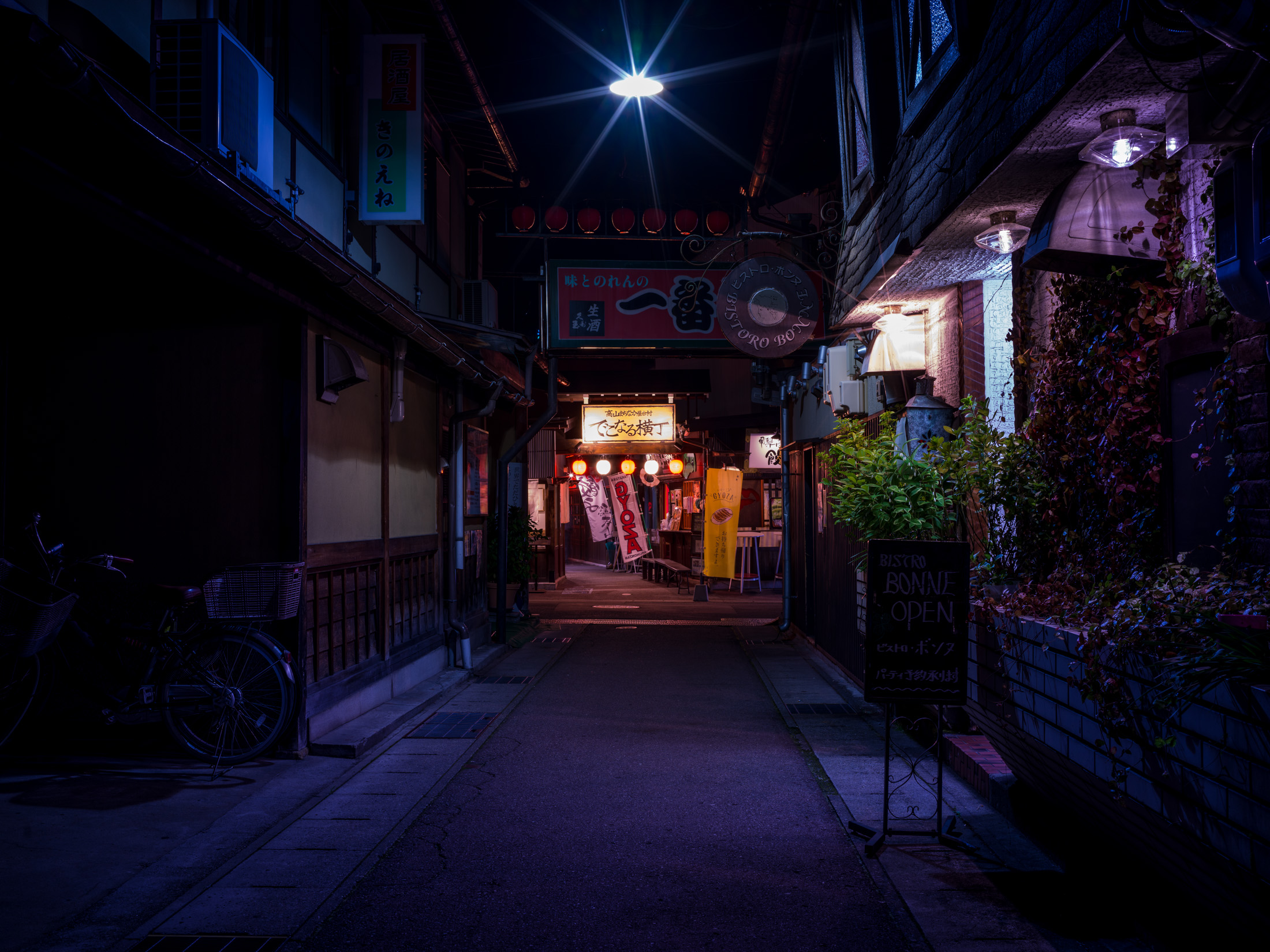
Tokyo’s nightlife is unique. No big clubs—rather tiny bars where six people fit, loud izakayas, and lantern-lit alleys.
Golden Gai in Shinjuku is the most famous: six alleys, about 200 bars that each seat five or six people. Some only accept regulars, others welcome everyone with a smile. Check if there’s a cover charge before entering—usually between ¥500 and ¥1,000.
Omoide Yokocho (“Memory Lane”), also in Shinjuku, is more food-oriented. Yakitori skewers grilled over charcoal, smoke everywhere, and a post-war atmosphere that persists despite the tourists.
Nonbei Yokocho in Shibuya is lesser known and more intimate. Just two rows of wooden bars under the train tracks—a remnant of pre-skyscraper Shibuya.
For a younger, more relaxed vibe, the bars of Shimokitazawa and Sangenjaya attract a local crowd that prefers to avoid Shinjuku.
Practical tips
Get a Suica or Pasmo card as soon as you arrive. These rechargeable cards work on all public transport and in most konbini and vending machines. Since 2023, physical cards have been out of stock—use the digital version on Apple Pay or Google Pay.
Plan to walk. A lot. Tokyo is best discovered on foot between subway stations, and it’s often between neighborhoods that you make the best discoveries. Comfortable shoes are essential.
Book ahead for popular attractions: Shibuya Sky, teamLab (Borderless at Azabudai Hills and Planets in Toyosu), and the Ghibli Museum—tickets sell out in minutes. Same for restaurants: the best sushi omakase spots are fully booked weeks ahead.
Konbini are your best friends. ATMs (7-Eleven accepts foreign cards), meals at any hour, decent coffee, and even luggage forwarding. They’re open 24/7 and there’s one on every corner.
Tokyo is one of the safest cities in the world. You can walk anywhere at any hour without worry. The only real danger is missing your last train—subways close around midnight, and taxis are expensive.