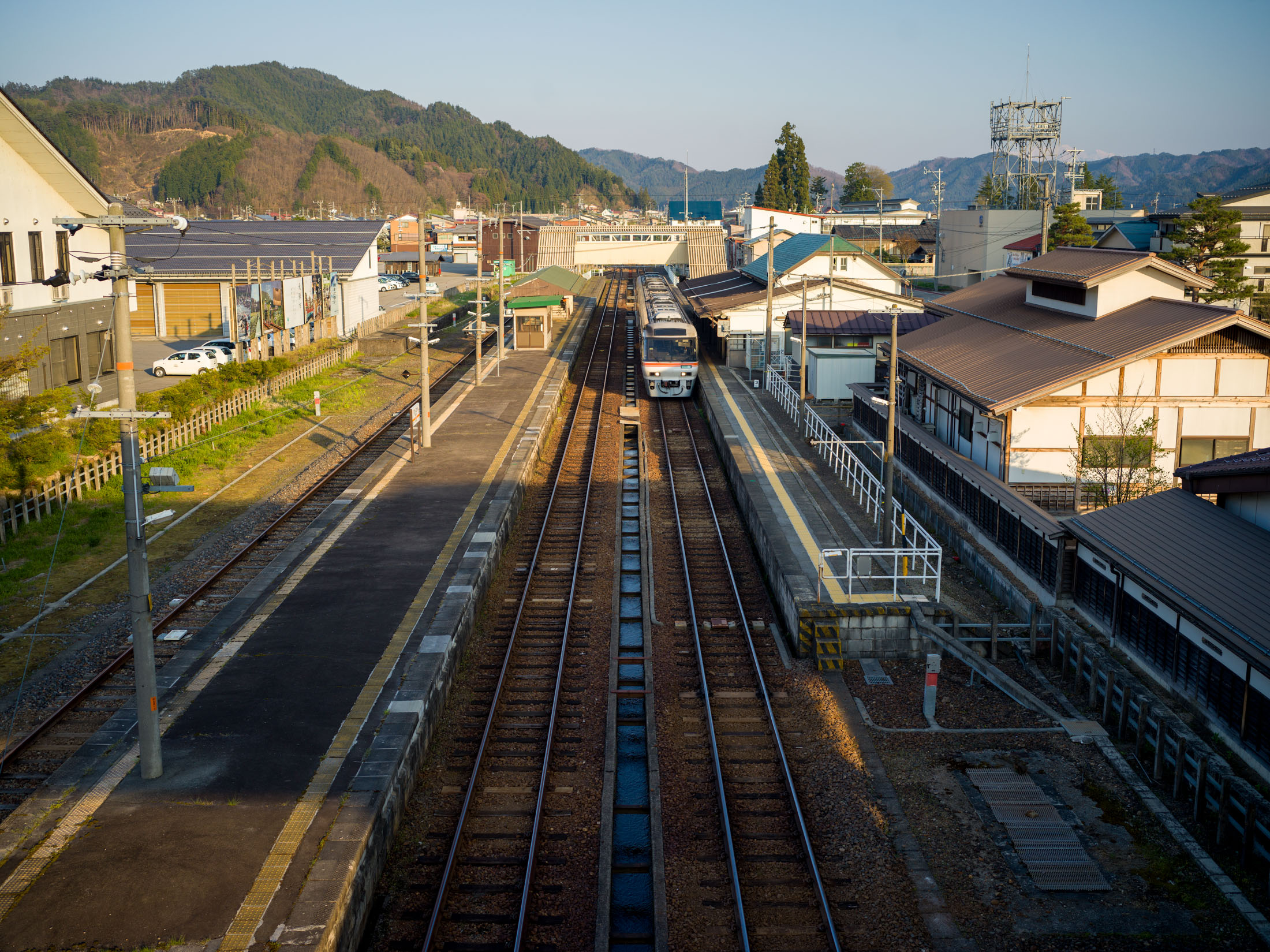
Getting around Japan is a pleasure. No, really. The transportation network is so well designed that once you understand the basics, everything flows smoothly. After years spent here, I have my habits, my tricks, and some strong opinions about what’s worth it—and what’s overrated. This guide is everything I wish I’d known before my first trip.
Walking: your best ally
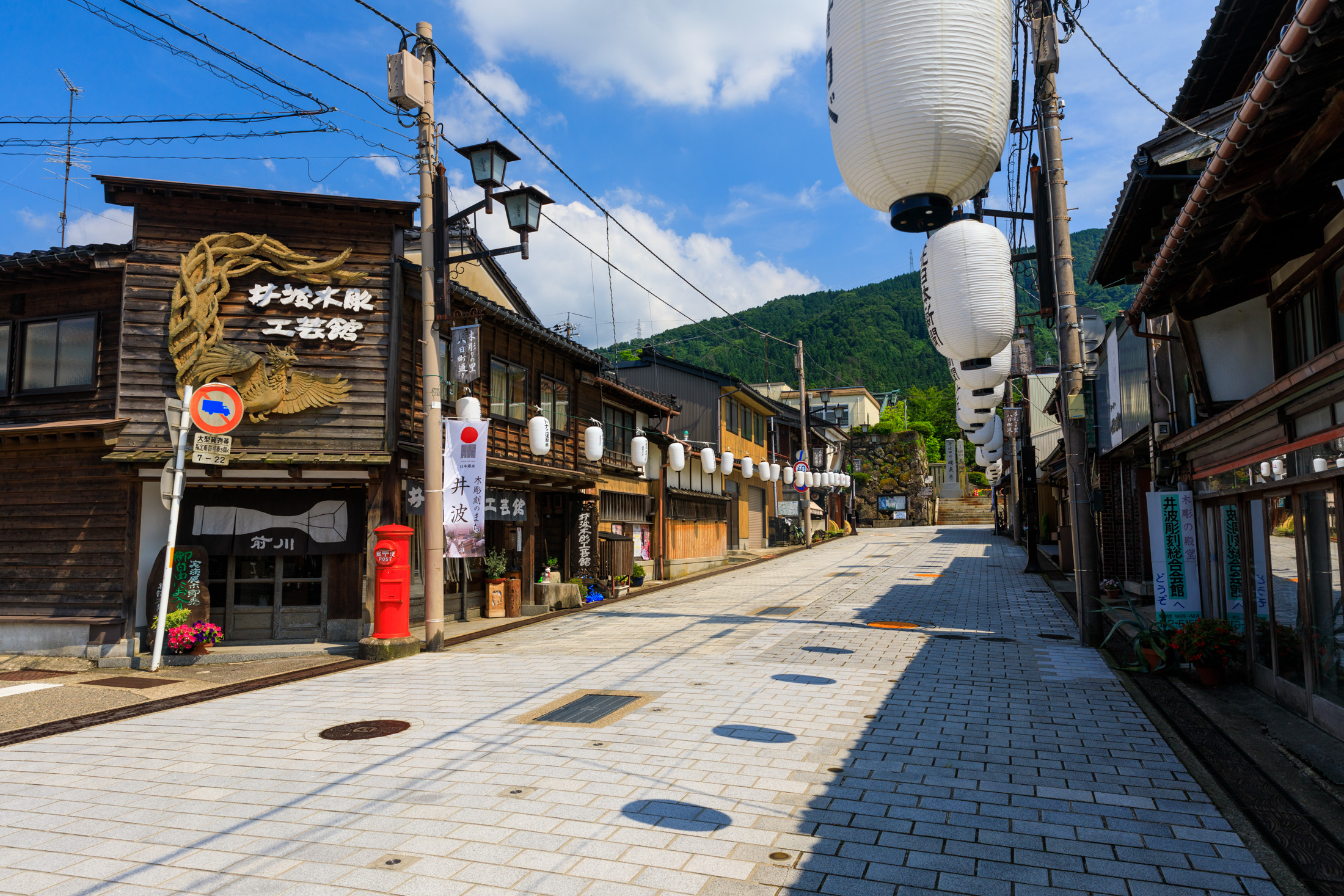
Japan is an incredibly pleasant country to explore on foot. Sidewalks are clean, streets are safe at any hour, and distances within cities are often shorter than you’d think. In Tokyo, Kyoto, or Osaka, walking is not only possible—it’s the best way to discover neighborhoods.
Pack comfortable shoes—you’ll walk much more than usual, especially if you’re visiting temples or shopping districts. Google Maps works perfectly here and provides very accurate walking directions. And if you get hungry or thirsty along the way, there’s a konbini on every corner.
IC cards: essential
The first thing to do when you arrive is get an IC card—Suica, Pasmo, or ICOCA, depending on the region. In practice, they all work everywhere. You load it up, tap in and out of the subway or bus, and that’s it. No tickets to buy, no queuing at machines.
Since 2023, physical cards have been hard to find for tourists. The good news is that Suica is available on iPhone via Apple Wallet—you add credit directly from your phone, and it’s magic. If you’re on Android, the Mobile Suica app does the same thing. For those who want a plastic card, look for “Welcome Suica” at major stations or airports.
The IC card isn’t just for transport: you can pay at konbini, vending machines, and many restaurants. It’s the most convenient everyday payment method in the country.
Trains: the king of transport
The Japanese rail network is a marvel. Punctual to the second, clean, and impressively comprehensive. For urban trips, the subway and local trains are more than enough—and your IC card handles everything.
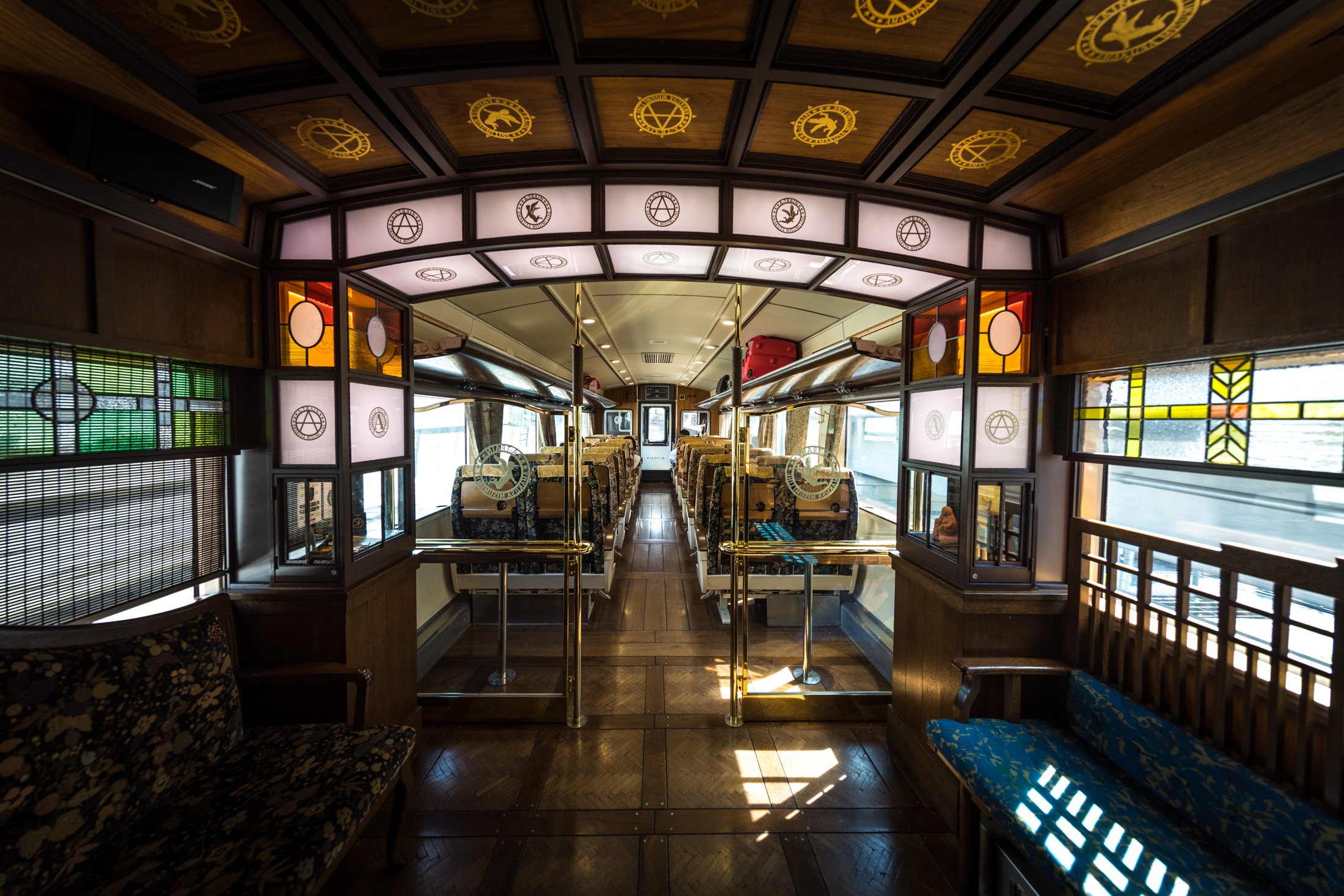
For long distances, the Shinkansen is an experience in itself. Tokyo to Kyoto in 2h15, Tokyo to Hiroshima in 4h—all in absolute comfort. Seats are spacious, there are power outlets, and you can eat your ekiben (station bento) while watching the landscape roll by.
A word on the Japan Rail Pass: since the massive price increase in 2023, it’s no longer the automatic good deal it used to be. For a Tokyo-Kyoto round trip, the 7-day pass costs more than two single tickets. My advice: calculate your trips before buying. Regional passes (JR Kansai, JR Hokkaido, JR Kyushu) often offer much better value if you’re staying in one area.
To book your Shinkansen, the SmartEX app saves considerable time—you book, choose your seat, and go straight through the gates with your phone or credit card. No more queuing at the counter.
Domestic flights: for long distances
Trains reign supreme, but for Okinawa or Hokkaido, flying becomes worthwhile. Low-cost carriers like Peach or Jetstar Japan offer flights from ¥4,000 if you book ahead. Even the major carriers (ANA, JAL) have special fares for foreign residents.
Japanese airports are a pleasure in themselves: fast, well-organized, and often directly connected to the rail network. Haneda, Tokyo’s main domestic airport, is 20 minutes from the center by monorail. No comparison with European airports.
Ferries: the forgotten option
Few tourists think of it, but ferries in Japan are fantastic. There are overnight lines between the main islands—Osaka to Kyushu with Ferry Sunflower, Tokyo to Hokkaido with Taiheiyo Ferry—with comfortable cabins and baths on board. You sleep and arrive in the morning. It’s slower than the Shinkansen, but it’s an adventure in itself.
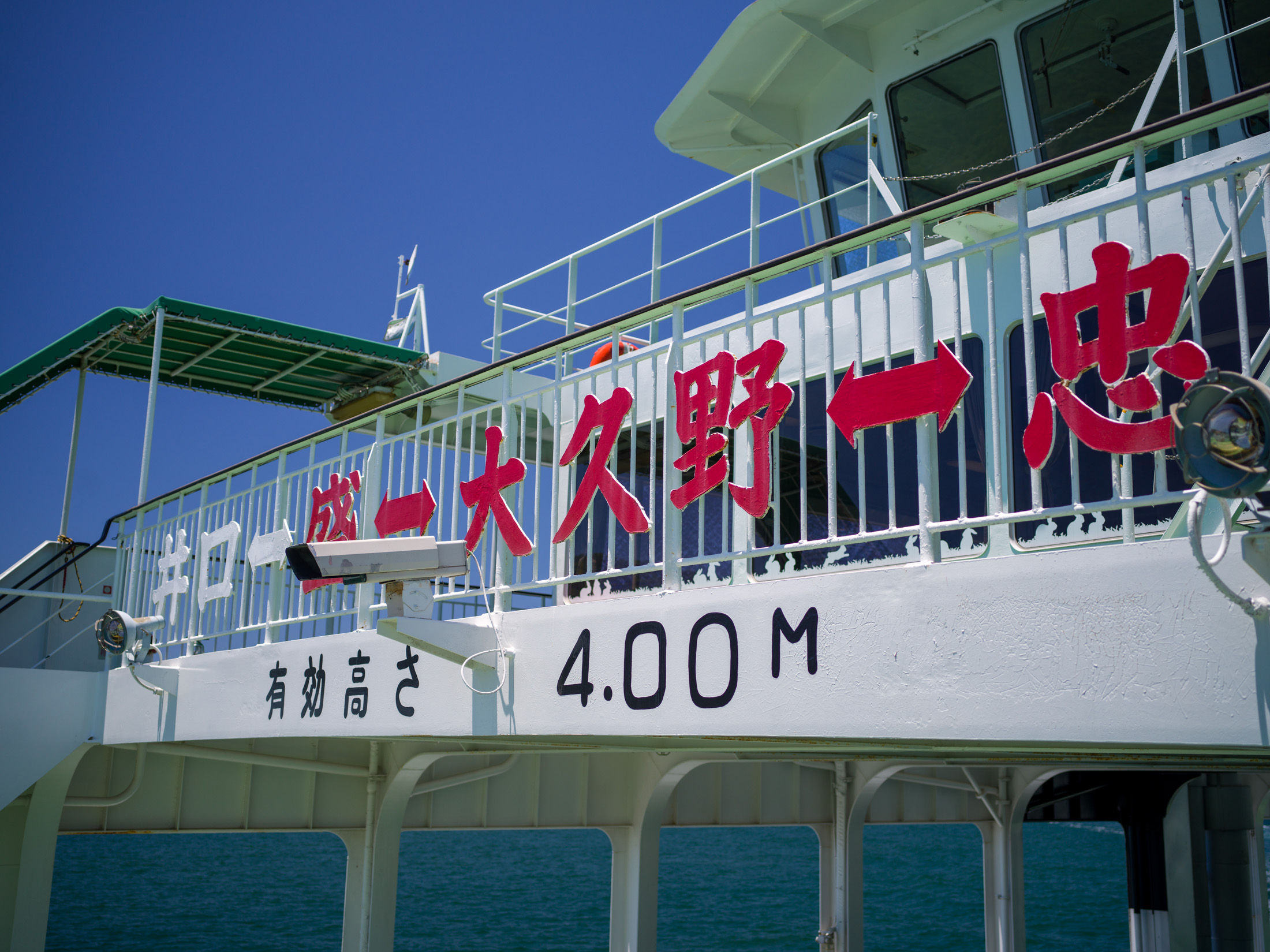
For smaller islands—the Seto Inland Sea islands, Okinawa’s southern islands, or remote islands like Aogashima—ferries are often the only way to get there. Check schedules in advance, as some lines only run once or twice a day.
Cars: for getting off the beaten path
If you want to explore rural Japan—and I strongly encourage it—a rental car is essential. Public transport covers the big cities well, but the country’s most beautiful corners (the mountains of Tohoku, the coasts of Shikoku, the Kyushu countryside) are often inaccessible otherwise.
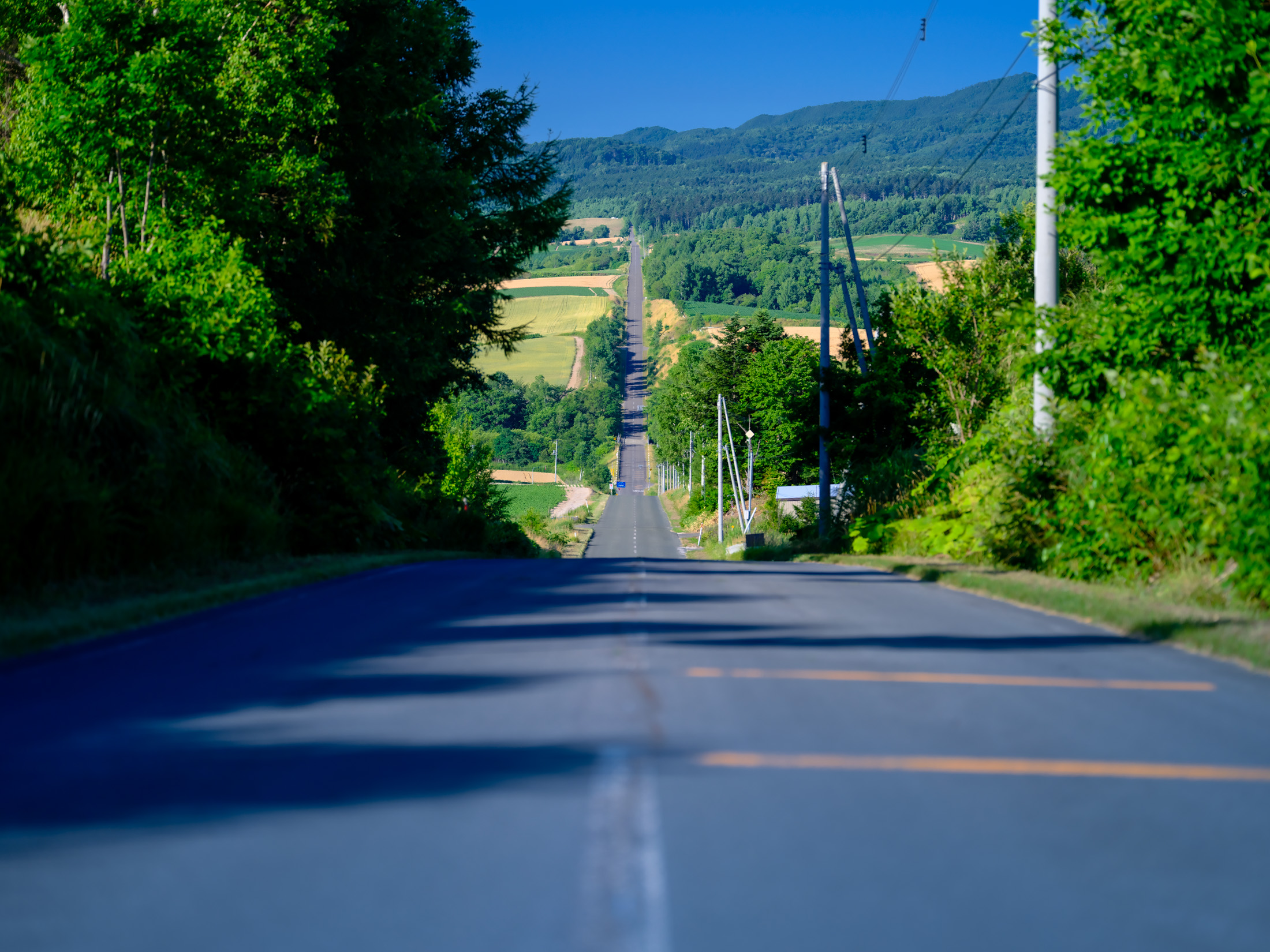
You’ll need an international driving permit (get it before you leave). They drive on the left, like in the UK, but the roads are excellent and well-signposted. Highways are expensive—expect a significant toll budget—but the ETC card lets you pay automatically and gives access to tourist discounts.
Rental agencies (Toyota Rent a Car, Nippon Rent a Car) are reliable and often offer cars with GPS in English. Book online, pick up the car at the nearest station, and explore. Prices are reasonable, especially off-season.
Bicycles: for leisurely days
Cycling is a very common way to get around in Japan. In small towns and villages, it’s often the most pleasant way to explore. Many hotels and ryokan lend bikes free to their guests.

For a memorable experience, the Shimanami Kaido—a 70 km cycling route connecting Onomichi to Imabari across six Seto Inland Sea islands—is absolutely unmissable. Suspension bridges, sea panoramas, small fishing villages: it’s one of the most beautiful cycling routes in the world.
LUUP: electric scooters and bikes
In recent years, LUUP has invaded Japan’s big cities with its shared electric scooters and bikes. You download the app, scan a QR code, and off you go. It’s convenient for short city trips when the subway is overkill and walking is a bit far.
LUUP stations are everywhere in Tokyo, Osaka, and Kyoto. The rate is reasonable—about ¥4 per minute for a scooter. Be aware though: scooters are limited to 20 km/h and must ride on the road, not sidewalks. And helmets, while recommended, aren’t mandatory for adults in Japan.
My practical tips
- Google Maps is your best friend — it integrates all train, bus, and subway schedules in real time.
- Always carry cash — some rural buses and small ferries only accept cash.
- Download offline maps — in rural areas, connection can be weak.
- Avoid rush hour — between 7:30 and 9am in Tokyo, trains are packed. If possible, shift your trips.
- Pack smart — stairs in stations are numerous and elevators are rare. Luggage forwarding services (takkyubin) are brilliant: send your suitcase from hotel to hotel for ¥2,000.
Japan is a country where you can travel without stress, as long as you’re minimally prepared. With an IC card, Google Maps, and a bit of curiosity, you can go anywhere. And if you get lost? Ask. Japanese people are incredibly helpful, especially when they see a traveler looking confused at a subway map.